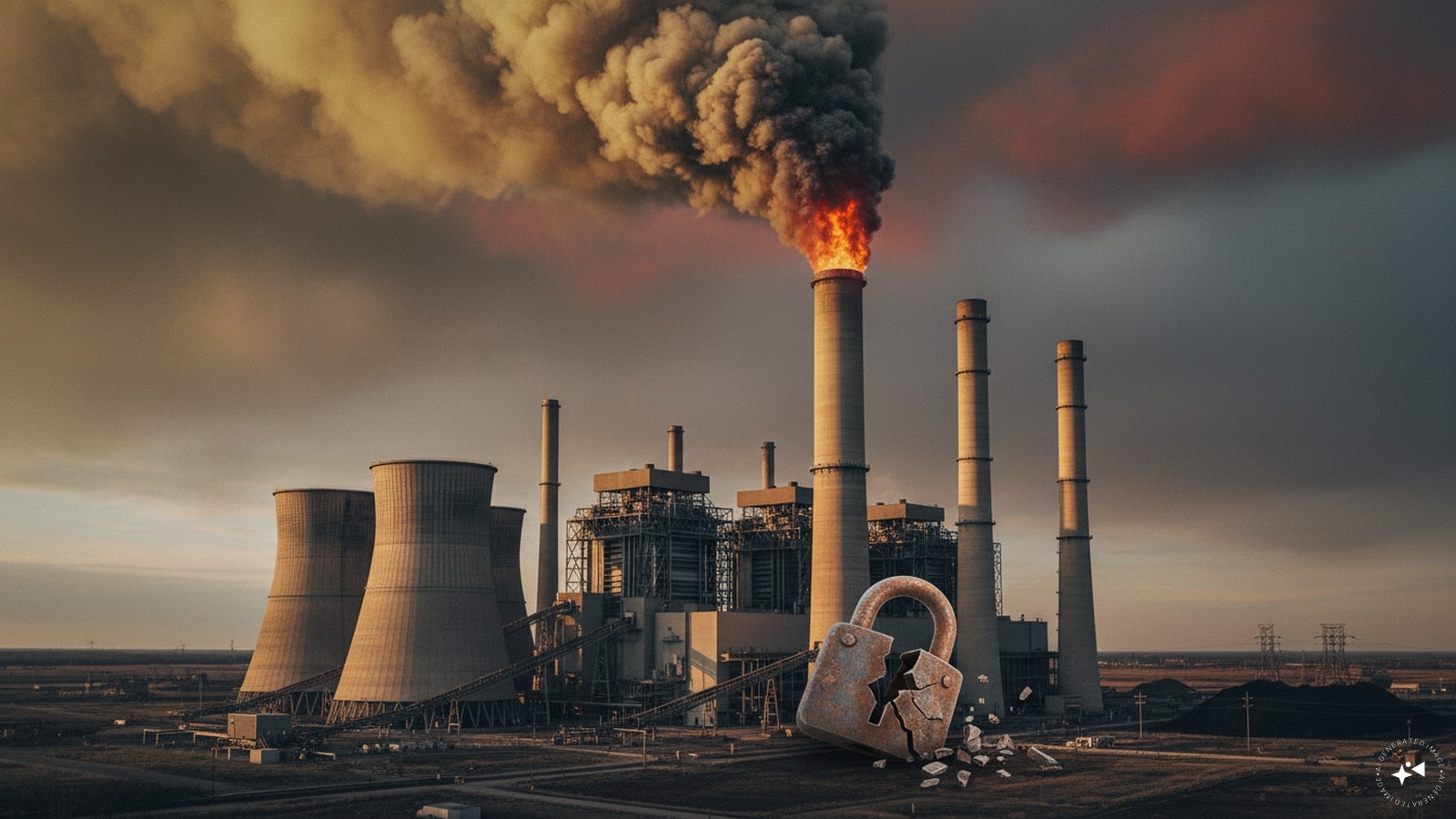
Federal climate policy just hit a massive roadblock. The Environmental Protection Agency officially finalized its repeal of the 2024 carbon pollution standards, tossing out Biden-era greenhouse gas limits for fossil fuel power plants.
If you thought environmental regulations were a permanent fixture of the modern grid, think again. The agency's pivot marks a complete reversal of federal decarbonization targets, opening the floodgates for a bitter multi-state legal battle and completely shifting how utilities plan for the future.
Inside the EPA Rule Repeal
The updated federal stance wipes out the stringent emissions boundaries that were originally designed to force coal and natural gas plants to either adopt costly carbon capture technology or shut down. According to the agency's official announcements, the rollback aims to unlock hundreds of billions of dollars in compliance savings, remove regulatory barriers for baseload generation, and bolster national energy security.
Critics, however, argue that abandoning these federal guardrails comes at a steep price. Power sector emissions had already ticked upward as electricity demand surged to feed expanding manufacturing hubs and energy-hungry artificial intelligence data centers. Stripping away federal limits removes the primary compliance stick that forced utilities to reckon with their carbon footprints.
Why the Legal Fight is Just Getting Started
You aren't going to see a quiet transition here. Almost immediately after the repeal dropped, a coalition led by more than twenty states, major cities, and environmental organizations rushed to the U.S. Court of Appeals for the District of Columbia Circuit.
Their argument is straightforward: rolling back these standards directly threatens public health and ignores statutory obligations under the Clean Air Act. This litigation runs parallel to broader fights over the federal endangerment finding, setting up a monumental judicial showdown over whether the EPA even holds the authority to regulate greenhouse gases from stationary sources in the first place.
Market Realities Versus Washington Politics
Washington can change the rulebook, but it can't completely rewrite economic gravity. Utilities across the country aren't automatically tearing up their transition blueprints or rushing to build new, unmitigated coal plants.
Market forces tell a different story. Renewable energy and battery storage continue to offer lower operating costs in many regions, while corporate buyers still demand clean power to meet their own internal sustainability metrics. At the same time, state-level mandates in places like New York and California mean regional decarbonization efforts will push forward regardless of what federal agencies do.
The grid is splitting down the middle. Federal policy now favors domestic fossil fuel expansion to chase absolute energy abundance, while individual states and private corporations press ahead with independent low-carbon targets. How this fractured landscape plays out over the next few years will dictate the reliability, cost, and environmental impact of American electricity for decades.


