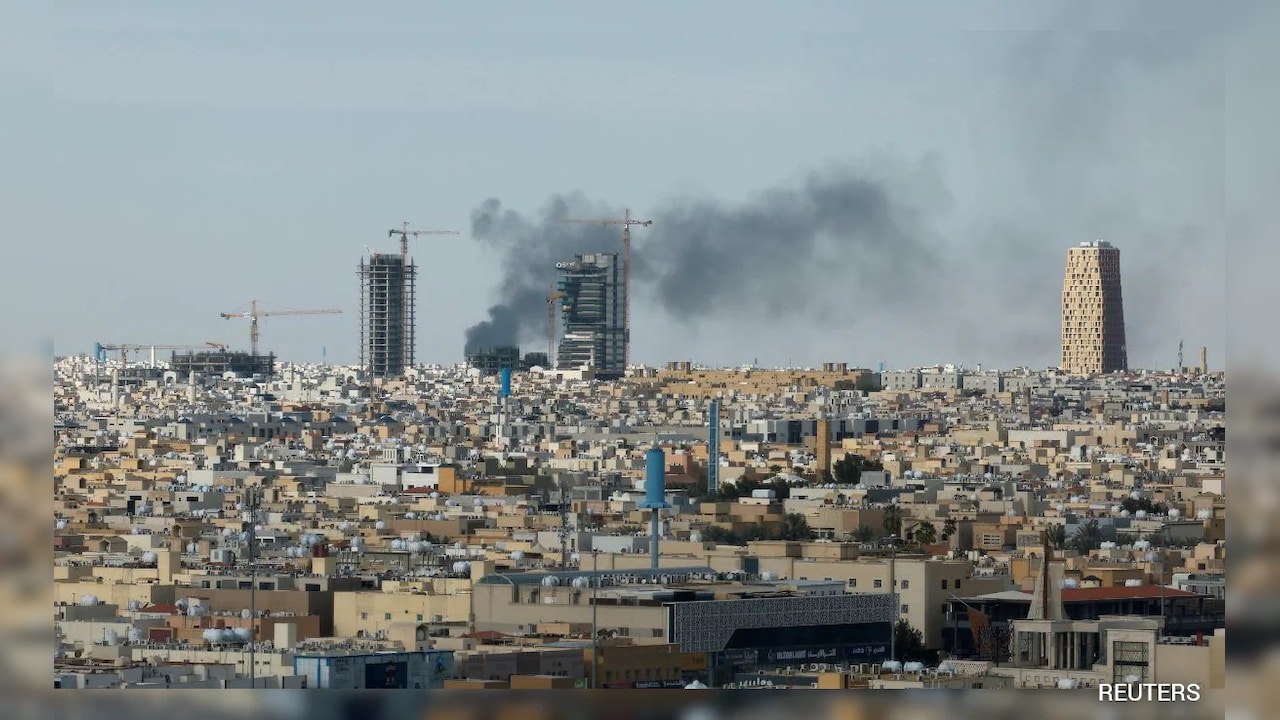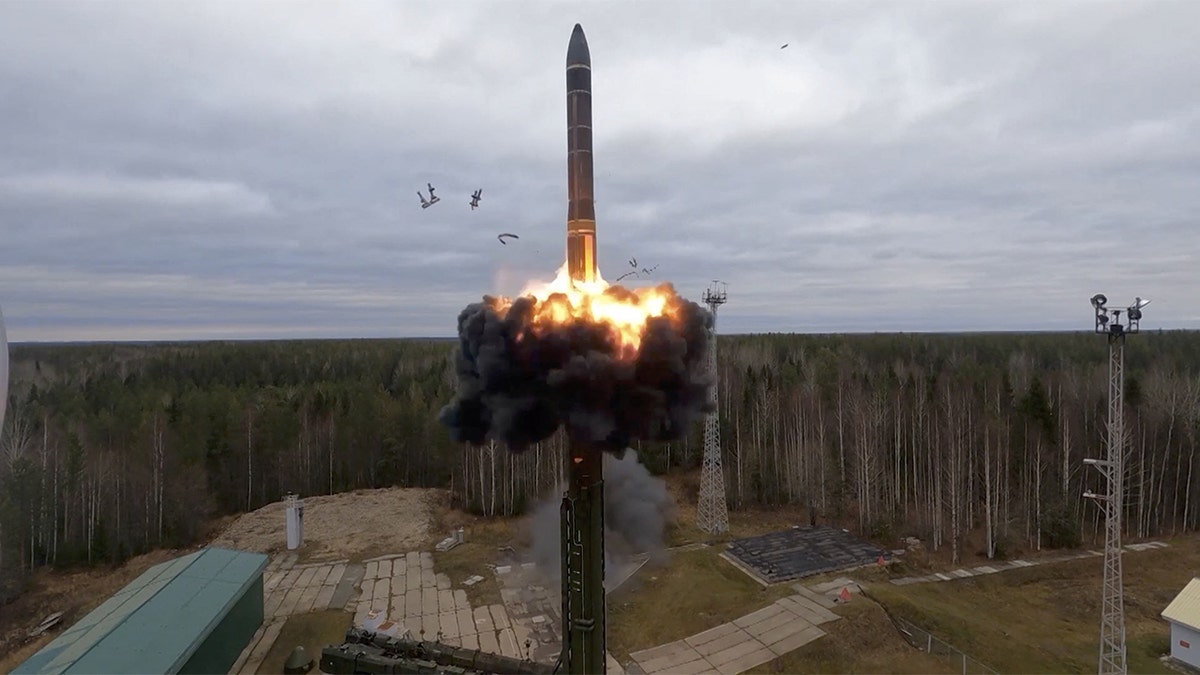
Videos capturing a Russian missile strike on the Ukrainian capital quickly flood social feeds whenever air raid sirens wail across Kyiv. They show bright flashes, thick plumes of black smoke, and the terrifying speed of incoming destruction. But watching a ten-second clip doesn't give you the full picture of what it's like to live through these multi-hour bombardments.
Let's look past the viral footage. What's actually happening on the ground in Kyiv goes far beyond what a short video clip can capture, and the realities of these attacks reveal a grim tactical shift.
The Reality Behind the Viral Footage
When a major ballistic and drone assault hits Kyiv, the impact leaves deep scars long after the smoke clears from smartphone lenses. Recent overnight attacks have combined waves of cruise missiles, jet-powered drones, and ballistic weapons, targeting residential districts like Solomianskyi. High-rise apartment blocks lose their upper floors. Schools and medical facilities, including children's hospitals, find themselves in the line of fire.
Footage online rarely shows the quiet hours before the explosions or the scramble of families heading down into underground metro stations. It doesn't capture the grinding fatigue of residents who have endured years of air raid alerts.
Why Interceptor Shortages Matter More Than the Hits
The hardest truth about these strikes isn't just that they happen—it's that Ukraine's air defense is running dangerously thin. For a long time, systems like the US-made Patriot batteries provided a robust shield against incoming ballistic missiles. Those launchers have sat largely empty during recent months.
Global stockpiles are strained, and international partners are hesitant to hand over scarce interceptors. When air defense systems run low, the math changes entirely. Russia fires a mix of cheap, loud attack drones alongside high-speed ballistic and cruise missiles to overwhelm what little protection remains. Ukraine's air force has even stopped routinely publishing exact counts of incoming ballistic missiles, trying to manage morale and keep tactical data out of enemy hands.
What Happens When the Smoke Clears
Emergency services in Kyiv spend hours digging through rubble, treating dozens of injured citizens, and fighting massive warehouse fires. Mayor Vitali Klitschko routinely declares official days of mourning following these large-scale tragedies.
Meanwhile, the cycle continues. Ukraine pushes its own long-range drone campaigns deeper into Russian territory to target logistics hubs and oil infrastructure, trying to disrupt the supply chains feeding these continuous bombardments. The war remains a grinding contest of attrition, production capacity, and international political will.
If you want to understand the situation in Ukraine, stop treating these strikes as isolated viral moments. They are part of an exhausting, ongoing campaign where every missed interceptor carries a devastating human cost.