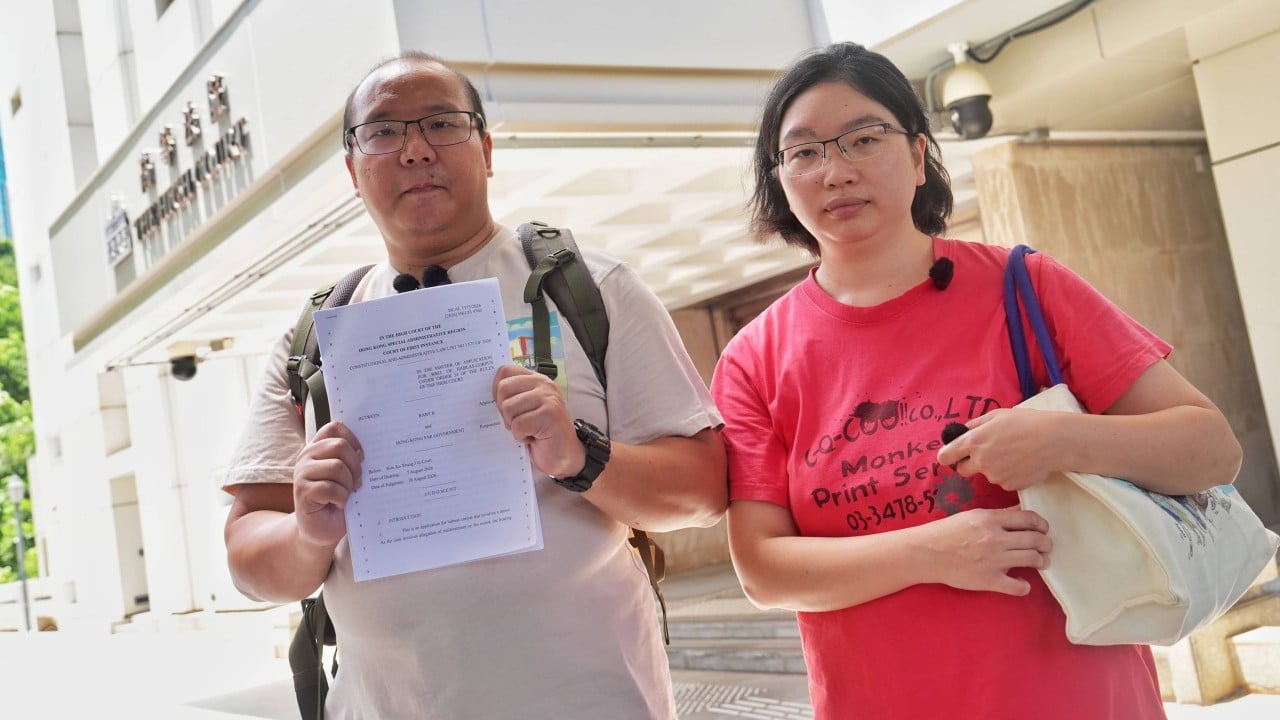
Parents desperate to reclaim their child just hit a brick wall in the High Court. Tsang Wai-bong and Kwan Pui-sin failed to overturn government custody of their four-month-old infant, baby Danny, after a judge threw out their habeas corpus application.
If you think child welfare laws are straightforward, look closer. This case exposes massive friction between parental rights and state intervention in Hong Kong. The legal machinery didn't blink. Justice Queeny Au-Yeung ruled the habeas corpus motion entirely inappropriate for challenging a child protection order, leaving the parents scrambling for other judicial avenues.
How Baby Danny Ended Up in State Care
The saga started with a home birth. Tsang and Kwan chose to deliver their baby outside a traditional hospital setting. But things went sideways when they refused to register the infant's birth immediately, withholding DNA samples requested by authorities. That refusal triggered an arrest for suspected child neglect.
Police involvement quickly escalated into a child protection case. The West Kowloon Magistrates' Court slapped a three-year protection order on the boy, handing guardianship over to the Social Welfare Department.
State officials argued that safety came first. Secretary for Labour and Welfare Chris Sun defended the move, pointing out that the parents failed to provide essential contact details or cooperate fully with professional assessments. Without verifiable security, the state refused to take chances.
Why The High Court Slammed the Door
Parents filing for habeas corpus usually aim to free someone from unlawful detention. Judge Au-Yeung made it clear that using this specific writ for a child already under a protective welfare mandate misses the legal point entirely.
The court noted glaring red flags that justified keeping the infant out of the home initially. The baby lacked routine vaccinations, and the parents skipped standard pre- and postnatal medical checks. For child welfare authorities, missing medical baselines equal high risk.
Yet, the parents aren't giving up. Standing outside the courtroom, they announced plans to take their fight straight to the juvenile court. They insist the restrictions on seeing their own son—currently limited to tightly supervised weekly visits—are destroying their family life.
The Broader Reality of Family Interventions
Cases like this force an uncomfortable public debate. Where is the line between protecting vulnerable infants and state overreach?
When parents resist bureaucratic protocols like DNA birth registration out of distrust or ideological preference, social services step in hard. Trust breaks down fast. Once the state takes custody under a multi-year protection order, reversing that decision requires jumping through extraordinary legal hoops.
You can't just argue emotions in front of a family court judge. You need medical compliance, administrative transparency, and flawless adherence to institutional rules. Tsang and Kwan learned that lesson the hard way.
Expect this custody battle to drag on through the lower courts as the parents try a different legal strategy. Meanwhile, baby Danny remains under institutional supervision while the legal clock keeps ticking.
Baby Danny placed in government care for 3 years
This short video covers the initial court decision granting three-year guardianship of baby Danny to Hong Kong welfare authorities.
http://googleusercontent.com/youtube_content/1