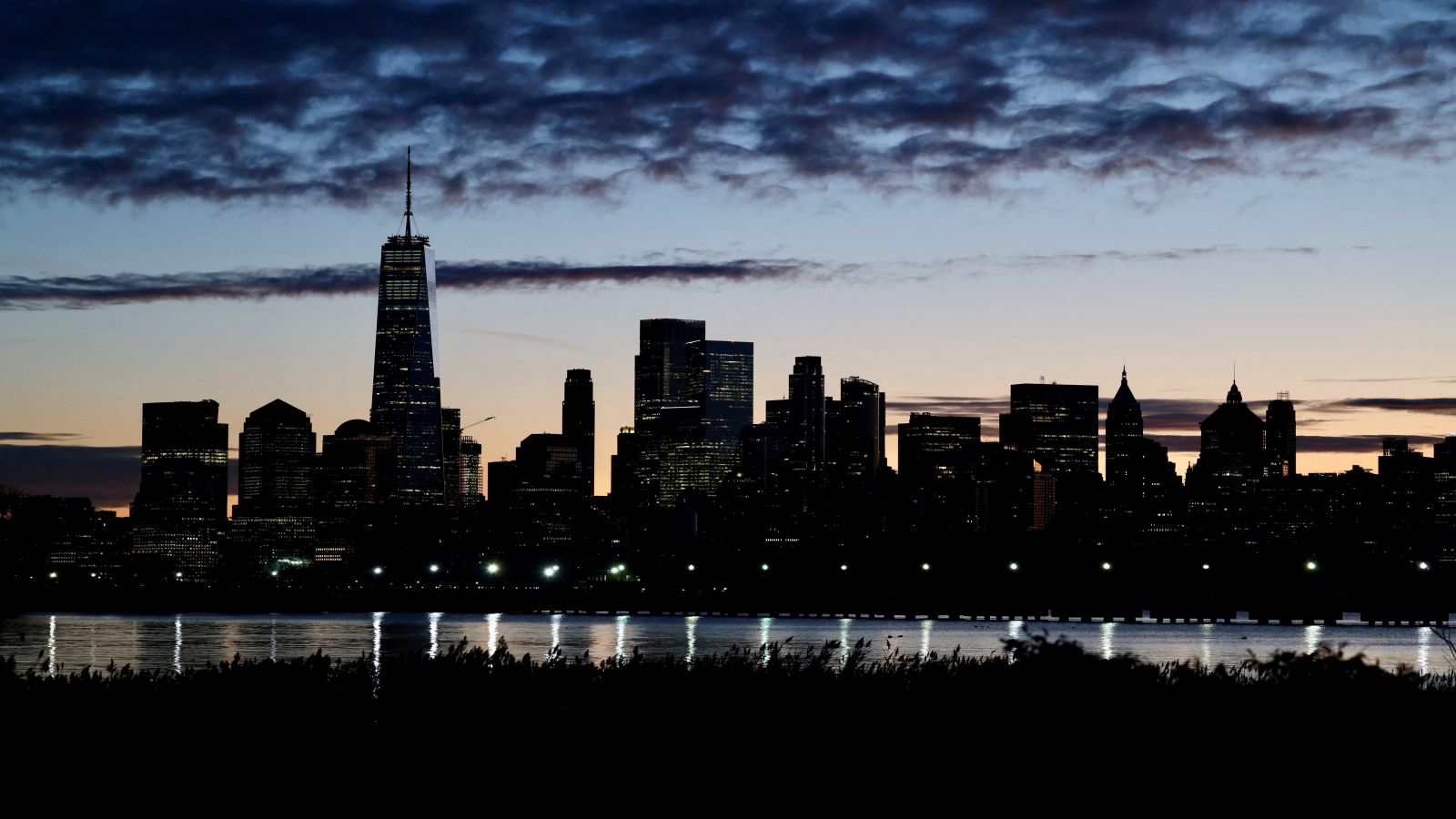
The narrative being peddled everywhere as we hit the quarter-century mark since September 11 is a comforting fairy tale. Lower Manhattan tripled its population, old office blocks turned into luxury glass-box nests, Wall Street diversified into tech and media, and downtown is supposedly roaring back.
Take a walk south of Chambers Street today. What you are actually looking at is not a triumph of urban resilience. It is a monoculture of stroller-pushing wealth, high-end dog spas, and sterile corporate conformity. We took a district that used to possess a gritty, singular identity and transformed it into a sanitized suburb in the sky.
Let us dissect the lazy consensus.
The Conversion Trap and the Myth of Neighborhood Density
The primary cheerleading point for downtown’s renaissance is the conversion of millions of square feet of obsolete 1960s and 70s office boxes into residential high-rises. Urban planners high-five each other over the numbers. More than 37,000 apartments now sit where back-office paper-pushers used to file spreadsheets.
Sounds great on paper. But look closer at the economics.
I have watched real-estate syndicates pour hundreds of millions into these adaptive reuse projects, treating architectural heritage as mere raw material for yield-hungry private equity. When you offer developers massive tax write-offs and floor-area bonuses to convert commercial footprint into housing, you do not get a vibrant cross-section of New York City. You get luxury rentals where a one-bedroom costs more than an entire block's median income in Queens.
The median household income in Lower Manhattan has ballooned to nearly $172,000—nearly double the city average. The population tripled, sure, but it replaced a dynamic, fluid, 24-hour commercial engine with a gated community for the upper crust who complain about late-night noise in a historic district.
The Death of the Financial Monolith
Another favorite talking point for mainstream analysts is that Lower Manhattan is no longer a one-trick pony tied solely to finance and real estate. Back in 2000, those two sectors accounted for roughly two-thirds of downtown employment. Today, media, tech, and advertising firms share the stage. Spotify, Condé Nast, and various tech outfits moved downtown.
We are supposed to celebrate this diversification as a stroke of genius.
Let us be brutally honest. What did we actually swap? We traded the cyclical volatility of high-finance boardrooms for the cyclical volatility of venture-backed tech platforms and media firms subject to endless corporate layoffs and pivot-to-video strategies.
Furthermore, office vacancy rates in Lower Manhattan linger stubbornly around 22 percent, outstripping Midtown in structural emptiness. Companies discovered they do not need sprawling downtown footprints when remote work models dominate. The corporations that stayed did so because they received heavy government subsidies to anchor themselves to the rebuilt World Trade Center site. It is not an organic market recovery. It is a government-supported life-support system wrapped in architectural gloss.
Imagine a Scenario Where We Built for People Instead of Capital
Imagine a scenario where the post-9/11 rebuilding effort prioritized cooperative housing, rent stabilization mandates, and community land trusts instead of prioritizing maximum density yields for developers wielding tax abatements.
If you pump billions in public incentives into a district without locking in permanent affordability floors, you do not build a community. You build an asset class. The architecture changed, the skyline fractured into a jagged collection of luxury needles, but the foundational flaw remained: housing is treated as an investment vehicle rather than a civic necessity.
The 9/11 Memorial and the rebuilt transit hubs integrated the footprint back into the street grid, creating physical permeability. But economically and socially, Lower Manhattan built an invisible wall. It erected a financial barrier that keeps out the very working-class New Yorkers who kept the city's lights on during its darkest hours.
What People Also Get Wrong About Downtown Tourism
People look at the 42 hotels operating today compared to the mere six that stood on September 11, 2001, and talk about a thriving tourism destination. They point to the millions visiting the memorial museum annually.
Here is the uncomfortable truth: turning Ground Zero into a premier global tourism anchor created an awkward friction between sacred grief and souvenir-stand capitalism. Walk around the perimeter of the memorial on any given afternoon. You will watch tourists snapping smiling selfies inches away from bronze panels bearing the names of the dead.
That is not a failure of the people visiting. It is a failure of urban staging. We forced a massive commercial tourism apparatus to coexist awkwardly with a mass grave, manufacturing an urban identity built on trauma-tourism rather than organic cultural generation.
Stop Praising Sterile Growth
The cheerleaders want you to believe that checking off higher headcounts and taller towers means victory. It does not. Real urban vitality requires friction, economic diversity, and space for people who don't clear six figures to actually live where they work.
Lower Manhattan survived the worst catastrophe in modern urban history, only to sell its soul to luxury developers and corporate tax incentives. Stop calling it a comeback when it's just a gentrification project with a skyline view.