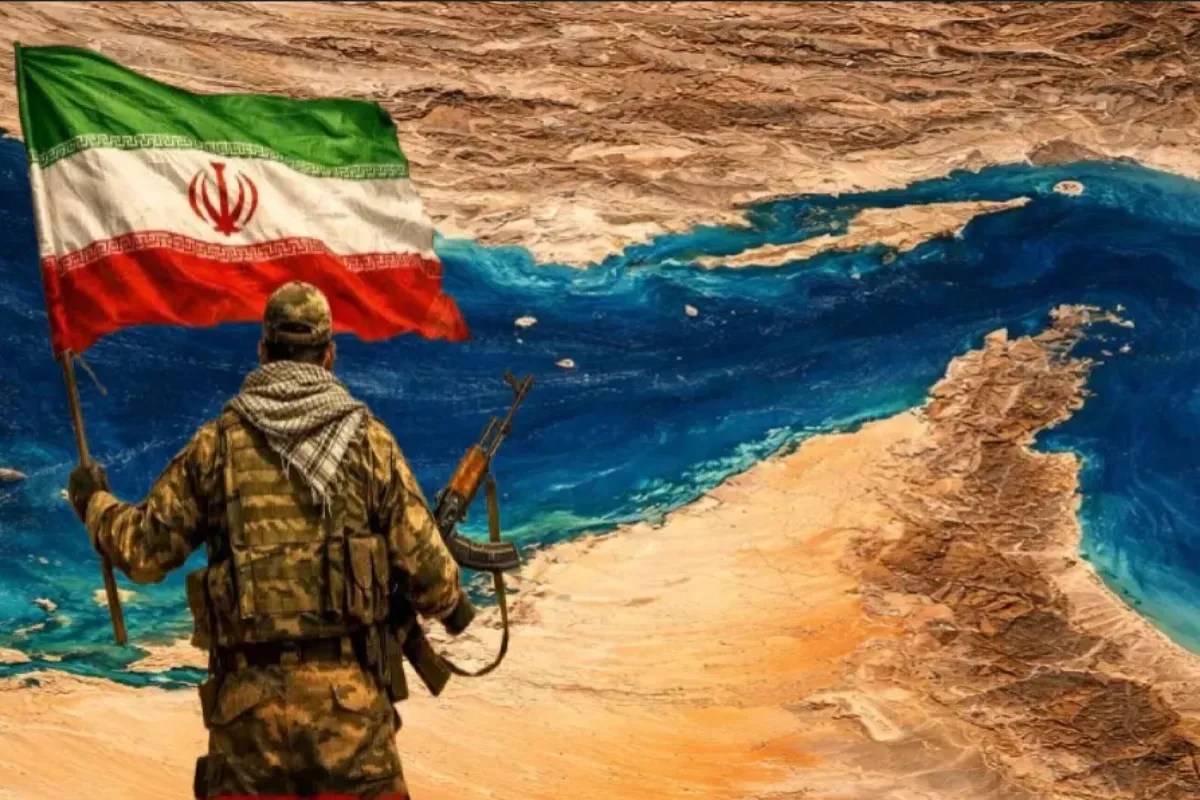
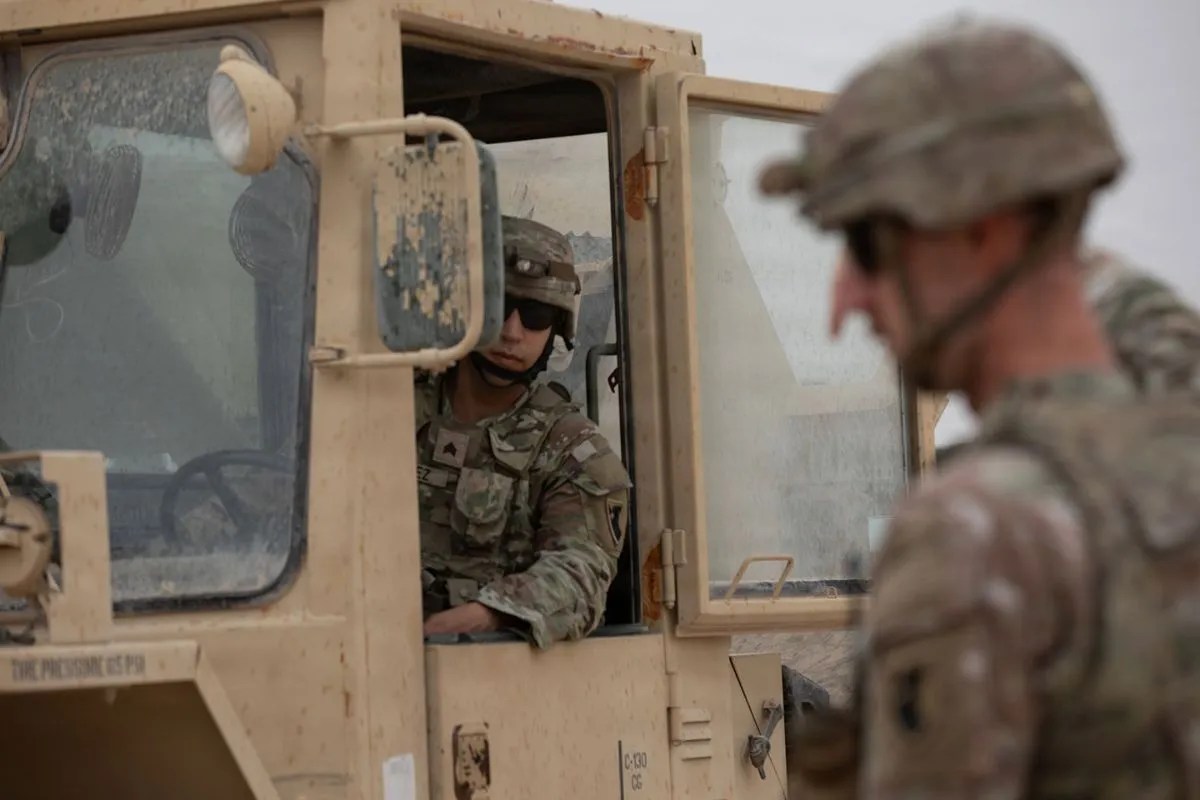
Geography is never just ink on paper. It is a promise written in water, guarded by distance, and sometimes traded away in rooms where the sea cannot be heard.
Imagine looking at a chart of the Indian Ocean. Somewhere between the eastern coast of Africa and the western shores of Indonesia lies an archipelago so isolated that it feels less like land and more like a whispered rumor. This is the Chagos Islands. For decades, mapmakers treated it as a quiet footnote, a scattering of emerald coral rings resting in an endless expanse of sapphire. But maps have memories, and they also have strategic weights that heavy the hands of diplomats.
When recent geopolitical maneuvers brought the sovereignty of these remote islands into sharp focus—sparking fierce criticism from figures like Donald Trump over the UK's proposal to cede control—the world was reminded that dirt and coral can be worth more than gold.
To understand why a cluster of atolls thousands of miles from London or Washington can cause such friction, you have to look past the political posturing. You have to look at the machinery of global power.
Decades ago, the largest island in the chain, Diego Garcia, was transformed. The local inhabitants—the Chagossians—were forcibly removed, their homes dismantled, their lives uprooted to make space for a sprawling military installation. It became an unsinkable aircraft carrier, a vital staging ground for operations spanning two hemispheres. It hummed with quiet urgency, guarded by fences and secrecy, while the rest of the archipelago remained largely untouched, draped in coconut palms and undisturbed by mass tourism.
Then came the legal challenges. The moral reckonings. The argument that colonialism’s final chapters needed closing, leading the United Kingdom to negotiate the transfer of sovereignty over the islands to Mauritius.
Critics viewed this through a lens of pure vulnerability. If you hand over the keys to the house, what happens to the lock?
Donald Trump’s blunt dismissal of the proposal—calling it terrible—tapped into a very specific brand of anxiety. It is the anxiety of the strategist who looks at the globe not as a collection of nations, but as a chessboard. In that view, relinquishing administrative control, even with long-term leasing agreements for the military base, introduces an element of friction. It invites uncertainty where certainty is demanded.
Yet, looking only at the chess pieces misses the human cost that lingers beneath the geopolitical debate.
Talk to anyone whose family once fished the shallow lagoons of Chagos, and you will hear a different story entirely. For them, sovereignty is not about runways or radar domes. It is about a graveyard left behind. It is about the sound of waves hitting shores their grandparents walked upon before being loaded onto cargo ships in the late 1960s and early 1970s.
When nations argue over who holds the title deed to an ocean outpost, they are often having a conversation that ignores the ghosts in the sand. Mauritius claims the islands as an integral part of its decolonization history. The UK balances international legal pressure against strategic necessity. The United States watches closely, knowing its global reach relies on the uninterrupted hum of the runways on Diego Garcia.
And the world watches, wondering how the lines on the map will be redrawn next.
There are no easy heroes here. There is only the heavy friction between historical justice and modern security. A treaty is signed in ink, but it is enforced by steel and distance.
As the debate continues to ripple through parliaments and press rooms, the waves keep rolling onto the shores of the Chagos archipelago, indifferent to who claims to own them. The coconut crabs scuttle across the roots of old trees, and the runway lights on Diego Garcia flick on as dusk settles over the Indian Ocean. The map changes. The water remains. And the question of what we owe to the earth, and to each other, stays stubbornly unresolved.