Seven hundred and nine exotic marine animals packed like cheap sneakers into plastic bags. That is what customs officers found at Buenos Aires' Ezeiza International Airport after a flight from Kenya. It took 120 hours of transit for this shipment to cross international borders. By the time the boxes opened, the water inside was foul, freezing, and filled with dead reef fish.
This is not a freak accident. It is a highly organized, international pipeline designed to supply affluent collectors with living home decorations.
When people think of wildlife trafficking, they picture rhino horns, elephant tusks, or tiger skins. They do not think of puffer fish or starfish. But the recent interception in Argentina proves that the ornamental aquarium trade has mutated into an industrialized criminal enterprise.
The Logistics of a Slow Death at 30,000 Feet
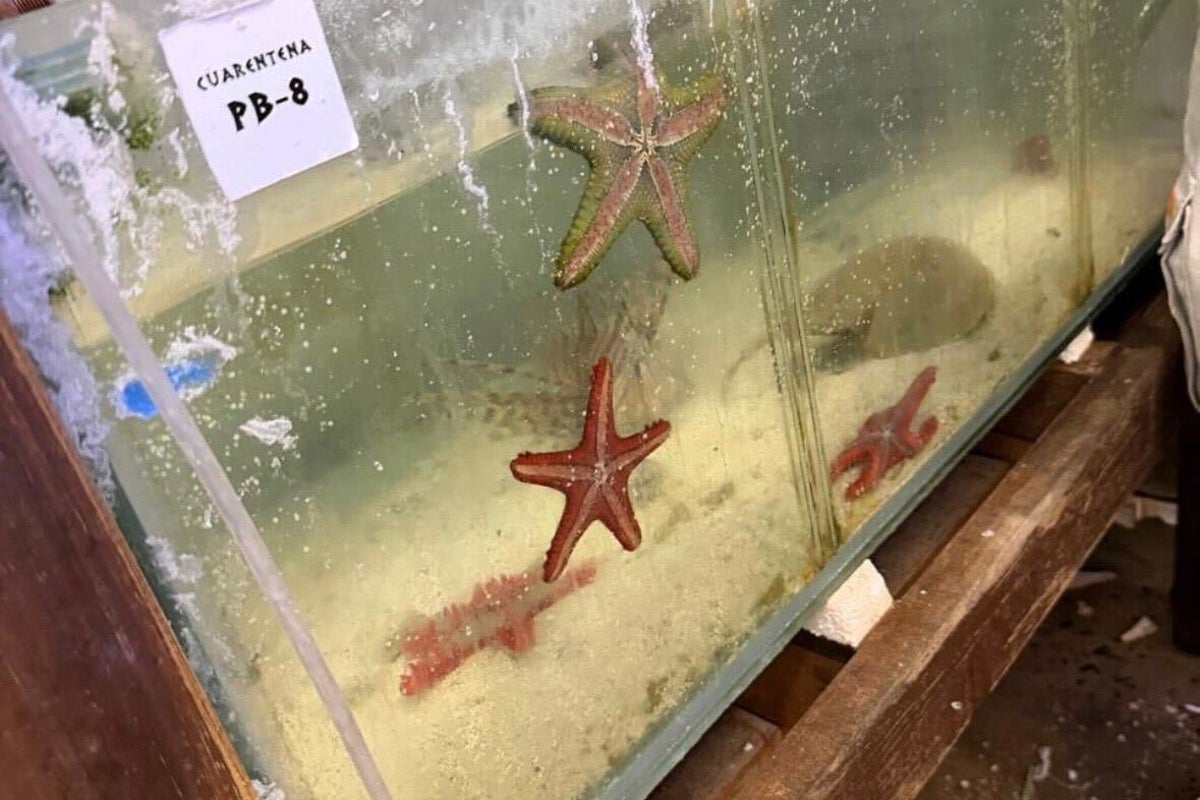
The scale of the April 26 interception is staggering. Smugglers attempted to move 102 different species across global cargo routes in a single go. We are talking about surgeonfish, butterflyfish, lionfish, octopuses, crabs, and rare corals.
Think about the math of a 120-hour journey. That is five full days trapped in a sealed plastic bag. For a marine animal, water quality is a matter of minutes, not days. As the hours ticked by, oxygen levels plummeted. Ammonia from the animals' own waste built up to toxic levels. Temperature fluctuations inside cargo holds turned the water into ice baths or saunas.
When the shipment landed in Argentina, the scene was grim. Many animals were already dead. The survivors were in profound physiological shock.
The rescue fell entirely on Fundación Temaikèn, the only institution in Argentina capable of handling marine wildlife rehabilitation at this scale. Their team in Escobar had to pull a literal miracle out of a hat. Specialists worked for 28 straight hours just to stabilize the surviving specimens. They had to build ten emergency tanks from scratch, complete with specialized heating, filtration, and water-conditioning tools.
To save them, vets used a meticulous process called drip acclimation. They took the animals one by one, slowly introducing clean water drop by drop to prevent their systems from failing due to sudden changes in salinity and temperature. Thanks to that frantic effort, about 80% of the living animals survived the initial intake, but the long-term prognosis for reef species taken from the wild is always shaky.
The Myth of the Sustainable Aquarium
Let's smash a common misconception right now. Most people assume the colorful fish in their local pet shop or corporate lobby tank were bred in a clean, sustainable hatchery.
They weren't.
While freshwater aquarium fish are heavily captive-bred, the vast majority of marine tropical fish are ripped directly from wild coral reefs. The global trade in ornamental marine species thrives on wild capture because breeding these animals in captivity is notoriously difficult and expensive.
Traffickers target fragile reef ecosystems in East Africa, Southeast Asia, and the Pacific. The extraction methods are devastating. Collectors often use cyanide solution squirted into reef crevices to stun fish, making them easy to scoop up. The chemical poisons the surrounding coral, killing the reef habitat just to catch a single prized specimen.
The industry operates on an expected loss model. Sm smugglers know a massive percentage of their cargo will die in transit. They simply bake that loss into their profit margins. If they ship 700 fish and only 200 survive, the premium price fetched by those survivors in elite private markets still makes the venture wildly profitable.
Argentina as the New Smuggling Hub
This bust was not a stroke of luck. Wildlife experts are sounding the alarm because this marks the third major marine wildlife seizure at Ezeiza International Airport within a single year.
That is an established commercial route.
Christian Plowman, a chief investigator at the International Fund for Animal Welfare (IFAW), pointed out that moving over 700 animals across continents requires intense coordination at every single link of the supply chain. You need corrupt officials at the point of origin, forged transit papers, and buyers waiting on the other side.
Traffickers treat global transit networks like water finding cracks in a dam. They test different airports, customs shifts, and cargo manifests until they find a route that works. The fact that Argentina keeps intercepting these shipments tells us two things. First, Argentine customs and the Environmental Control Brigade are doing their jobs. Second, South America has become a prime transit corridor or destination for high-end exotic pets.
The true destination of these specific animals remains under investigation. Argentine authorities have kept tight-lipped about arrests or the specific individuals named on the cargo manifests. Meanwhile, the Kenya Wildlife Service has remained silent, highlighting the systemic difficulty of getting enforcement agencies on both sides of an international smuggling route to cooperate effectively.
How the Law Fails Our Oceans
The fundamental problem with fighting marine trafficking is that the law treats a rare fish differently than a rare mammal.
The Convention on International Trade in Endangered Species (CITES) regulates many land animals with strict bans. But hundreds of tropical fish species sit in a legal gray area. They are harvested by the millions with zero oversight, minimal tracking, and laughably low fines for those who get caught.
If you get caught smuggling ivory, you face heavy prison time. If you get caught smuggling a bag of rare starfish, you often face a minor customs fine for improper paperwork, and the animals are simply confiscated. The risk-to-reward ratio is completely skewed in favor of the criminals.
What Needs to Change Right Now
We can't just clap for the biologists at Fundación Temaikèn and move on. If the demand doesn't stop, the supply chains will just route around Buenos Aires next time.
If you own a marine aquarium, or if you're thinking about getting one, you have a direct responsibility here.
- Demand proof of origin: Never buy a marine fish or coral without a verified captive-bred certification. If the shop can't tell you exactly which hatchery the fish came from, walk out.
- Boycott wild-caught species: Avoid species known to be impossible to breed in captivity. If you see a wild-caught chevron tang or a regal angel fish, you are looking at an animal that was likely ripped from a reef and survived a terrifying logistics chain.
- Support stricter customs training: Lobbying for wildlife funding needs to include airport security. Customs agents need training to spot hidden livestock transport systems, not just drugs and weapons.
The global illicit wildlife trade is pushing marine ecosystems toward a quiet collapse. Reefs are already dying from rising sea temperatures and acidification. They cannot survive being stripped bare by industrial-scale poachers looking to satisfy the vanity of private collectors. It's time to treat the theft of our oceans as the high-stakes international crime that it actually is.