The scale sits unused in the corner of the cinderblock room. Dust gathers on the metal cradle where infants are supposed to be weighed. The silence in this rural clinic is not peaceful. It is terrifying.
Consider a hypothetical mother standing in the doorway holding a lethargic child. Let us call her Fatima to give the statistics a face. Fatima has walked four miles under a brutal sun, carrying her one-year-old son, seeking the small foil packets of therapeutic peanut paste that brought her older daughter back from the brink of starvation three years ago. But the shelves are bare. The nurse shakes her head.
The money simply is not there anymore.
This is what a geopolitical financial shift looks like at ground zero. When diplomats in Geneva or New York announce budget reallocations and donor fatigue sets in, the immediate casualty is not a government program. The casualty is the foil packet of paste. The casualty is Fatima's son.
The United Nations has raised the alarm over a catastrophic child survival crisis unfolding across Nigeria. International funding for humanitarian assistance is shrinking rapidly, caught in the crossfire of shifting global priorities and economic downturns. We talk about aid cuts as if they are mere adjustments on a spreadsheet. They are not. They are a sudden, violent severing of a lifeline.
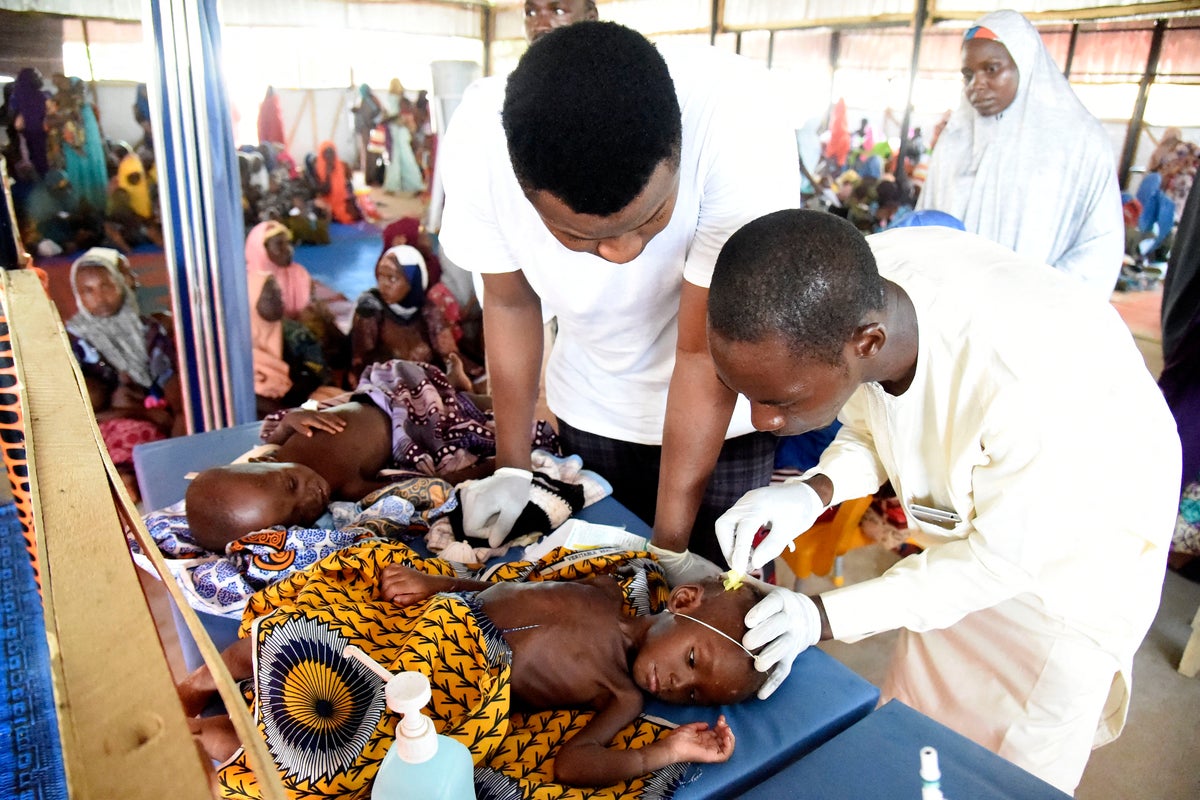
When funding for vaccines, clean water, and severe acute malnutrition treatment evaporates, the arithmetic of survival changes overnight. Severe malnutrition weakens a child's immune system to the point where common, treatable illnesses become lethal. A simple case of diarrhea turns into a death sentence. Measles sweeps through vulnerable communities like fire through dry grass.
We try to wrap our heads around the numbers. Millions of children in Nigeria are currently at risk. Hundreds of thousands face severe acute malnutrition. But the human brain cannot properly process suffering on that scale. We retreat into the safety of abstraction.
The reality requires us to look directly at the empty clinic shelves. It demands we acknowledge the exhausted health workers turning desperate families away. The UN's warning is not just a plea for cash. It is a desperate attempt to stop an entirely preventable tragedy. We know exactly how to cure starvation. We have the medicine. We have the logistical frameworks. What is vanishing is the political will to pay for it.
Fatima turns away from the clinic and begins the long walk back home. The child against her chest is terrifyingly light. The sun beats down on the dirt road, and the world continues to argue over budgets, completely deaf to the sound of a mother's fading footsteps.