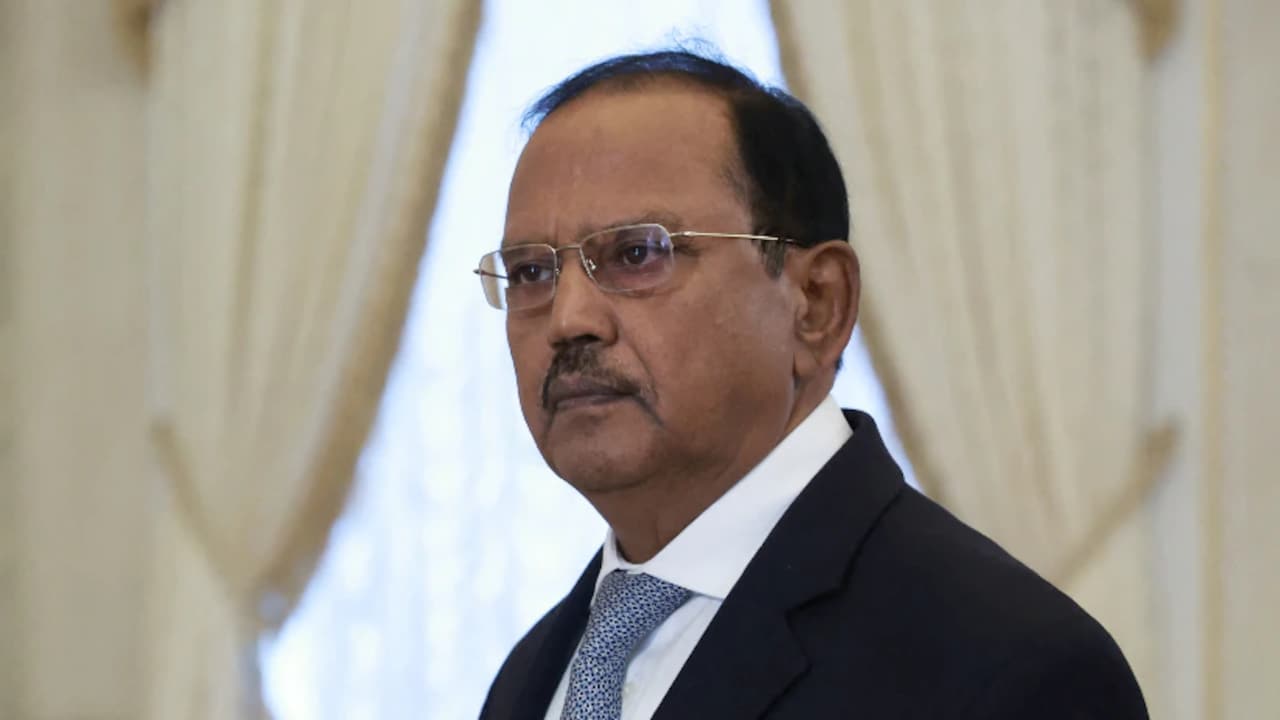
Bilateral stability along the 3488-kilometer Line of Actual Control between India and China relies not on diplomatic goodwill, but on operational mechanisms designed to mitigate friction. When National Security Advisor Ajit Doval engages with Chinese counterparts under the Special Representatives framework, the objective is the systemic reduction of military threat perceptions rather than the immediate resolution of deep-seated territorial disputes. Observers frequently misinterpret these high-level summits as comprehensive peace accords, missing the structural reality: normalization is a phased, transactional engineering problem governed by strategic deterrence and mutual cost functions.
The Architecture of The Special Representatives Framework
The Special Representatives mechanism, established in 2003, operates as an insulated diplomatic channel bypassing standard bureaucratic delays. It divides border management into three discrete operational tiers:
- Political parameters and guiding principles for boundary settlement
- Working-level military coordination through mechanisms such as the Working Mechanism for Consultation and Coordination on India-China Border Affairs
- Local tactical disengagement protocols along friction points in eastern Ladakh
Each tier functions independently to prevent localized tactical flare-ups from contaminating broader economic and geopolitical engagements. When physical clashes occur, the cost function for both states spikes significantly, triggering capital flight, supply chain decoupling, and heavy defensive mobilization expenditures along high-altitude fronts.
The Economics of Post Crisis Disengagement
The military standoff that began in 2020 fundamentally altered the baseline economic and strategic calculations of both capitals. Maintaining forward-deployed divisions in extreme high-altitude terrain imposes severe logistical drains. The cost function of permanent forward posture involves heavy transport overheads, specialized winter equipment provisioning, and permanent infrastructure investments.
To offset these expenditures, both nations deployed a staged normalization sequence:
- Phase one requires halting forward movements and establishing verified buffer zones to eliminate direct line-of-sight friction.
- Phase two involves the rationalization of patrolling rights, replacing continuous physical presence with electronic surveillance and scheduled verification.
- Phase three targets the thinning out of reserve formations deployed deep within the theater, lowering the overall threat posture.
This step-by-step de-escalation prevents either side from losing tactical surprise advantage while simultaneously lowering the financial bleeding caused by perpetual mobilization.
Information Asymmetries and Strategic Signaling
Diplomatic readouts from New Delhi and Beijing consistently emphasize differing priorities, reflecting underlying information asymmetries. The Indian apparatus centers its narrative on mutual respect, mutual sensitivity, and mutual interests, translating operationally to the restoration of the status quo ante along the border prior to 2020. Conversely, the Chinese apparatus frames normalization through the lens of core interests and the compartmentalization of the border dispute from trade and multilateral diplomacy.
This divergence does not signal diplomatic failure; it represents structured ambiguity. By allowing each domestic audience to interpret the talks through its own political lexicon, both states create the necessary domestic runway to compromise on tactical ground realities without appearing weak.
Strategic Action
Future stability along the Line of Actual Control depends on the codification of electronic monitoring agreements and the mutual reduction of permanent deep-tier infrastructure build-ups. Intelligence sharing regarding patrol schedules must graduate from ad-hoc military commander talks to automated institutional protocols. Until both states establish verifiable threshold limits for troop concentrations within a five-hundred-kilometer corridor of the border, de-escalation will remain vulnerable to sudden political shifts. The immediate operational priority is the institutionalization of the newly formed expert groups under the existing consultation frameworks to ensure that every kilometer of disengagement is locked in by verifiable joint metrics rather than verbal assurances.