The journalism establishment is running its standard playbook. The Justice Department moves to subpoena the phone records of reporters, and the immediate response is a coordinated chorus of outrage about the First Amendment, the chilling of free speech, and the slow slide into authoritarianism.
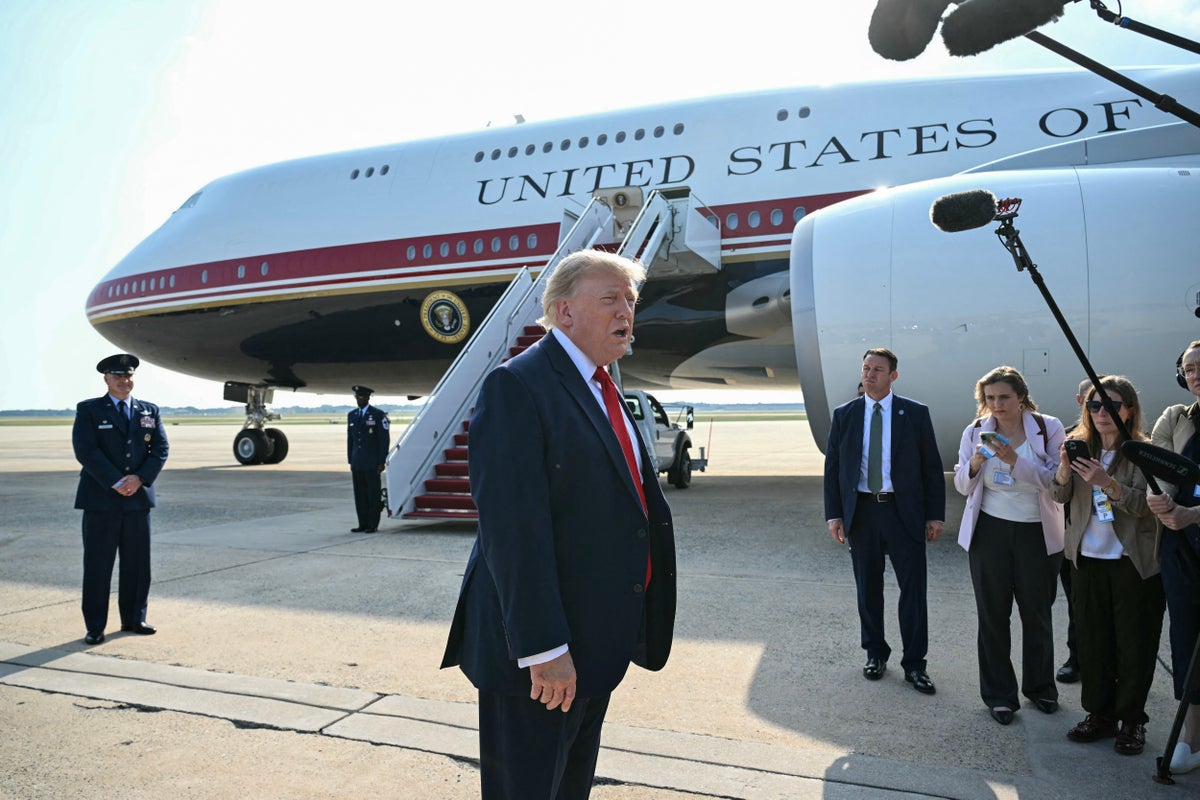
We saw it when the story broke that federal prosecutors were hunting the sources behind a report involving the Qatari Air Force One deal and New York Times journalists. The consensus view crystallized in seconds: a vindictive administration is weaponizing the Department of Justice to crush adversarial reporting.
It is a neat, dramatic narrative. It is also entirely wrong.
The outrage machine is blinding you to how the modern leak economy actually functions. The panic over reporter subpoenas is not about protecting the abstract purity of journalism. It is a shield used to mask a much uglier reality: the complete collapse of institutional tradecraft among elite reporters and the weaponization of the press by sophisticated foreign and domestic political operators.
If you want to understand power, stop looking at the subpoenas as an attack on the press. Start looking at them as the inevitable cleanup operation of a broken system.
The Myth of the Crusading Whistleblower
The core flaw in the mainstream outrage is the romanticized image of the source. The public is led to believe every major national security leak features a heroic insider risking everything to expose government wrongdoing for the public good. Think Daniel Ellsberg and the Pentagon Papers.
That version of Washington is dead.
Modern leaks, especially those involving foreign defense contracts, intelligence assets, and diplomatic maneuverings like Qatari state procurement, are rarely driven by conscience. They are driven by policy battles, corporate warfare, and geopolitical influence operations.
When a story drops about a foreign government's backchannel dealings or defense acquisitions, it is almost never because a lone civil servant stumbled upon corruption and felt morally compelled to act. It happens because one faction within the national security apparatus wants to torch another faction’s policy initiative. Or because a competing defense contractor lost a bid. Or because a rival foreign intelligence agency wanted to poison a diplomatic relationship.
By treating every leak as a sacred act of journalism, the press launders partisan and foreign influence campaigns into "objective news." When the DOJ steps in to investigate, they are not investigating the press; they are investigating the breach of internal state discipline. The reporter is not the target. The reporter is the collateral damage of a high-stakes bureaucratic knife fight.
The Death of Journalism Tradecraft
Let us talk about the battle scars of national security reporting. For decades, the unwritten rule of dealing with sensitive material was absolute operational security. If you had a source giving you classified or highly sensitive data, you protected them by acting like an intelligence officer yourself. You used dead drops, you never carried a personal phone to a meeting, and you sure as hell did not leave a digital breadcrumb trail.
Today’s elite journalists have traded tradecraft for convenience.
They use encrypted apps like Signal or WhatsApp on personal devices connected to cellular networks, completely ignoring the metadata footprint they leave behind. They send emails from corporate accounts. They keep calendar invites. They trust the tech, forgetting that while the content of a message might be encrypted, the fact that a reporter called a specific government official at 11:42 PM right before a story went live is preserved forever on a server.
When the Justice Department issues a subpoena for phone records, they do not need to break encryption. They do not need to read the texts. The metadata does the work for them.
The media screams that the government is crossing a line, but the harsh reality is that reporters are practically handing the government the map. The subpoena is just the legal formality required to collect the data the journalist already failed to protect. If a news organization cannot maintain basic operational security, it has no right to be shocked when the state uses its own sloppy digital footprint against them.
The Flawed Premise of Absolute Press Immunity
Whenever this fight goes to the courts, the press argues for an absolute reporter’s privilege—the idea that journalists should have a blanket exemption from revealing sources or turning over materials under any circumstances.
This premise is fundamentally flawed. No constitutional right is absolute, nor should it be.
Consider the balance of harms. If a leak exposes a covert intelligence collection program or disrupts an active counterintelligence operation against a foreign adversary, the damage to national security is tangible and immediate. Why should a reporter possess the unilateral authority to decide that a specific piece of information belongs in the public domain, completely insulated from any legal accountability?
The press demands total autonomy without any of the accountability that governs every other institution in a democracy.
When the DOJ pursues phone records, it operates under strict internal guidelines—frequently updated across various administrations—that require exhausting all alternative paths before targeting media data. When they finally pull the trigger on a subpoena, it means the leak was significant enough to clear those high bureaucratic hurdles.
The uncomfortable truth that journalists refuse to admit is that sometimes, the state has a legitimate interest in finding the mole. If an insider is trading state secrets for personal leverage, political gain, or corporate advantage, identifying that person is a basic function of counterintelligence. The press is not a sovereign entity existing outside the law.
The Real Damage of the Subpoena Panic
The real danger here is not that journalists will go to jail. It is that this perpetual theater of grievance creates a profound moral hazard.
By framing every single leak investigation as a constitutional crisis, the media shields itself from critical self-examination. They do not have to ask hard questions about whether they are being played by foreign intelligence services. They do not have to review their internal security protocols. They just wrap themselves in the flag of the First Amendment and fundraise off the outrage.
This tribalism destroys public trust. The average citizen looks at a story about a subpoena over a Qatari Air Force One report and does not see a defense of liberty. They see an elite institution protecting its own privileges, demanding the right to publish classified secrets with zero consequences while ordinary citizens face the full weight of the law for far lesser infractions.
Stop buying into the panic. The Justice Department’s subpoenas are not an existential threat to democracy. They are the predictable, messy friction of a system where both the state and the press are failing to do their jobs with honor. The state is leaking like a sieve because of internal political warfare, and the press is too lazy to cover its tracks.
The next time you see a headline about federal prosecutors targeting a reporter's records, do not join the outrage mob. Look past the journalist, look at the metadata, and ask yourself who really wanted that story told—and what they bought with the reporter's credentials.

.webp)