The narrative has already been written by every lazy sports editor on the planet.
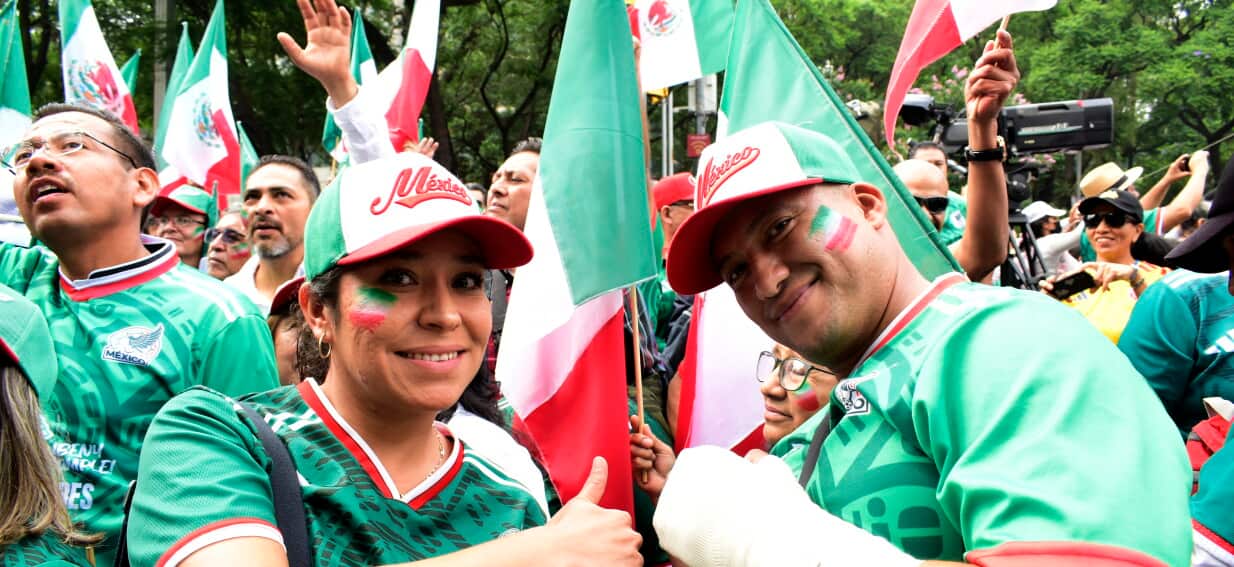
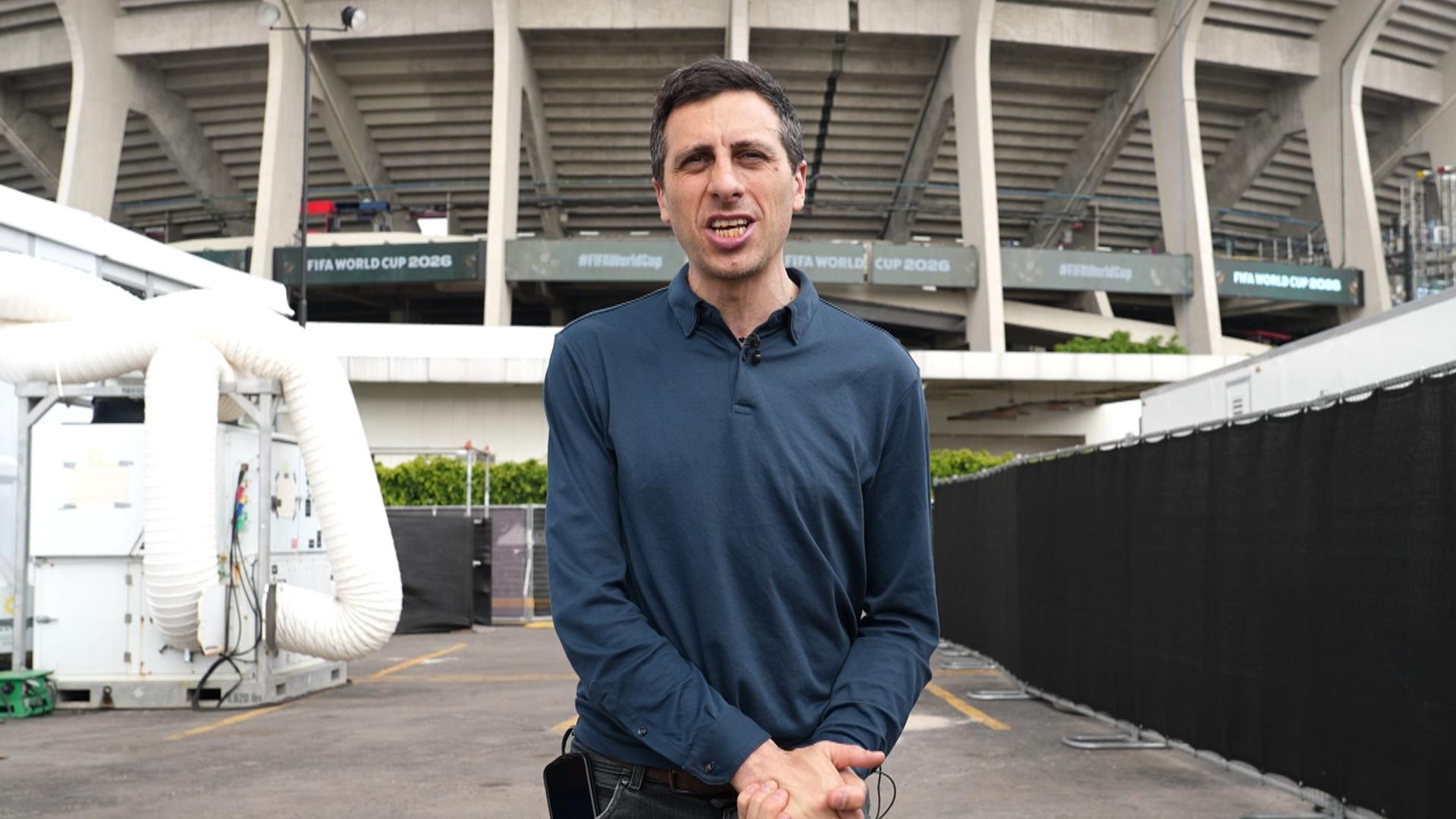
They are serving you a warm, comforting bowl of nostalgia. The stories tell you that the eyes of the world are on Mexico City. They tell you that El Tri kicking off the 2026 World Cup at the iconic Estadio Azteca against South Africa is a poetic, full-circle moment. They want you to remember Johannesburg in 2010. Sip the tequila. Wave the flag. Believe the hype.
It is a beautiful lie.
The media is treating this opening match as a ceremonial coronation, a guaranteed three points wrapped in a fiesta. In reality, FIFA and the Mexican Football Federation (FMF) have inadvertently set a trap. Mexico is not poised for a historic run. They are walking straight into an ambush.
The Myth of Azteca Invinicibility
Let’s dismantle the biggest delusion first: the idea that Estadio Azteca still possesses some mystical, unbeatable aura that guarantees victory.
Historically, playing at 2,200 meters above sea level was a brutal competitive advantage. Opponents would gasp for air by the 60th minute while El Tri ran circles around them. But this is 2026, not 1986 or 1970.
Modern sports science has entirely neutralized the altitude factor. Elite international squads do not just fly into Mexico City the night before a match anymore. They utilize hyperbaric chambers, precision hypoxic training, and meticulous acclimatization protocols. South Africa’s technical staff has spent months preparing for this exact atmospheric variable.
Furthermore, the current generation of Mexican players does not even live in Mexico City. The core of the squad plays their club football in Europe or Major League Soccer. They don't breathe the capital's smog every day. They arrive at camp just as susceptible to the thin air and heavy pollution as their opponents.
To make matters worse, the pressure inside that stadium is no longer a weapon against the visitor; it is a noose around the neck of the home team. The Mexican fanbase is notoriously volatile. If El Tri does not score in the first twenty minutes, the optimism in the stands curdles into toxic frustration. The chanting starts. The booing begins. The home-field advantage evaporates, replaced by an existential dread that paralyzes the players on the pitch.
Underestimating South Africa is Tactically Fatal
The consensus preview treats South Africa as an afterthought—a compliant opponent invited to the party just to get stepped on. This is a profound misunderstanding of the current international football hierarchy.
South Africa is not the disorganized squad of yesteryear. Under rigid, disciplined tactical leadership, Bafana Bafana has evolved into one of the most lethal counter-attacking units in international football. They do not care about possession. They do not care about entertaining the crowd. They sit in a low block, constrict space, and wait for the opposition to overcommit.
Look at Mexico's historical Achilles' heel. El Tri consistently struggles against teams that refuse to come out and play. When forced to break down a deeply entrenched, disciplined defense, Mexico’s midfield frequently devolves into sideways passing and hopeless, low-percentage crosses into the box.
Imagine a scenario where Mexico dominates 70% of the possession in the first half but fails to register a single shot on target. The crowd grows restless. The fullbacks push higher up the pitch out of desperation. That is exactly when South Africa strikes. They possess raw, vertical speed on the wings that can expose Mexico’s aging central defenders in transition.
This is not a mismatch. It is a tactical nightmare for Mexico.
The Overhyped Home Team Syndrome
Host nations traditionally get a bump from playing on home soil, but history shows that this bump is highly contingent on structural stability. Look at the data from recent tournaments:
| Host Nation | Year | Tournament Result | Pre-Tournament Status |
|---|---|---|---|
| South Africa | 2010 | Group Stage Exit | Failed to handle the pressure of the opening stage |
| Brazil | 2014 | 7-1 Humiliation | Masked systemic flaws with emotional fervor |
| Russia | 2018 | Quarterfinals | Overachieved through hyper-conservative tactics |
| Qatar | 2022 | Group Stage Exit | Completely overwhelmed by the stage |
Mexico is exhibiting all the classic symptoms of 2014 Brazil and 2010 South Africa. The FMF has spent the last four years prioritized commercial revenue over sporting merit. They played meaningless friendlies in US stadiums before manufactured crowds instead of testing themselves against elite European or South American opposition in competitive environments.
The squad lacks a definitive identity. They have cycled through managers, formations, and philosophies. The media coverage has created an environment where the players are treated like rock stars before they have actually won anything on the pitch.
The Brutal Truth of Group Stage Math
In a expanded World Cup format, the margin for error in the group stage has shrunk to zero. Dropping points in the opening match is no longer a setback you can easily recover from; it is a statistical death sentence.
If Mexico draws or loses against South Africa, the psychological fallout will be catastrophic. The pressure ahead of their second and third group games will be untenable. The media will turn on the manager instantly. The internal fissures within the squad—which are always simmering just beneath the surface in the Mexican camp—will rupture.
The lazy consensus wants you to buy the ticket, wear the jersey, and believe in the magic of the Azteca opening night.
But magic does not win football matches. Tactical discipline, structural stability, and emotional composure win matches. Right now, South Africa has far less to lose and a far clearer blueprint for victory.
Stop expecting a celebration. Prepare for a wake.