Big tech dominance is facing its biggest challenge yet, and it isn't coming from regulators. It's coming from a shared obsession with digital independence.
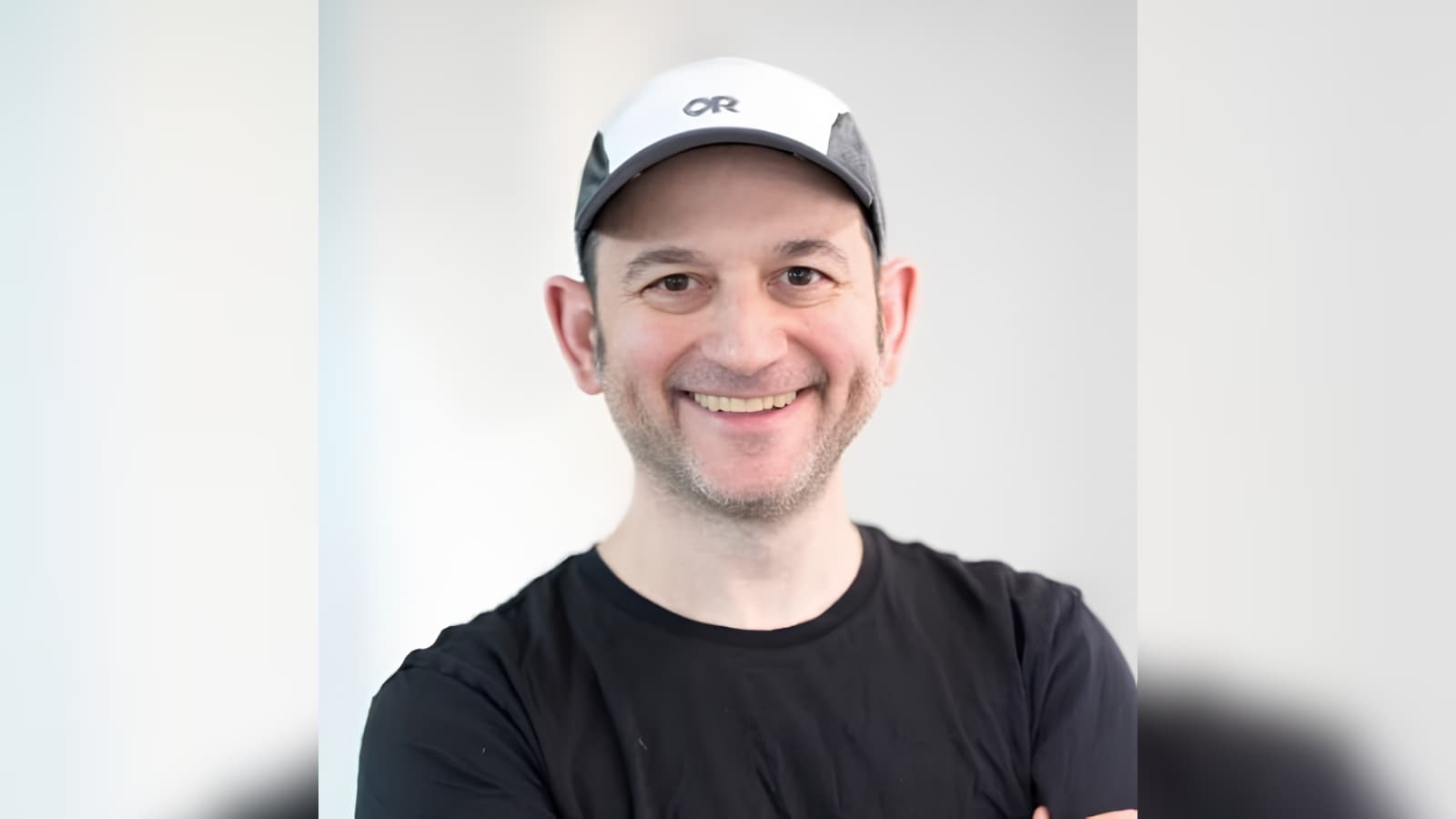
Indian Prime Minister Narendra Modi just wrapped up a crucial meeting in Paris with Arthur Mensch, the CEO and co-founder of Mistral AI. Fresh off the G7 Summit, Modi landed in France for VivaTech 2026, where India happens to be the official AI partner country. This wasn't just another polite diplomatic photo-op. It was a tactical huddle about a massive shift in how countries want to build and own software.
The core of their discussion? Sovereign AI.
For a long time, the tech world assumed every country would just plug into American cloud infrastructure and use whatever models Silicon Valley handed down. That assumption is dead. Governments are realizing that relying entirely on foreign tech monopolies for critical intelligence infrastructure is a massive national security risk.
The Break from Silicon Valley Centralization
Mistral AI occupies a unique position in this conversation. Founded in 2023 by former Meta and Google researchers, the Paris-based firm built its reputation on open-weight models. Instead of hiding their code behind closed corporate walls, they let developers download, tweak, and run models on their own hardware.
That specific model is exactly why Modi sat down with Mensch.
India doesn't want to rely on black-box systems that can be modified or restricted by a corporate board in California or a changing political regime in Washington. We saw glimpses of these anxieties at the G7 deliberations, where discussions touched on foreign export controls and tech fracturing. Modi has been vocal about ensuring democratic nations maintain control over their own critical digital systems.
Mensch later pointed out that the conversation focused heavily on building full-stack solutions that escape foreign control. When you own the weights of a model, you own the deployment. You control the data. For a country handling the data of 1.4 billion citizens, that control isn't a luxury. It's a necessity.
How Open Weights Fit the IndiaAI Mission
India isn't starting from scratch here. The government has already committed significant capital through its IndiaAI Mission, focusing on building local compute infrastructure and native large language models. But hardware is useless without the software to run on it.
Mistral’s open-weight approach matches India's existing playbook.
Think about how India built its financial infrastructure. It didn't invite Visa or Mastercard to run the country's payment back-end. It built UPI, an open, public protocol that anyone could build on top of. The country wants to do the exact same thing with artificial intelligence.
By collaborating with entities like Mistral, Indian enterprises and public sector units can take foundational models and fine-tune them using local datasets. This means training models to understand regional languages, local legal frameworks, and specific agricultural data.
- Data Residency: Keep citizen data within local borders during training and inference.
- Customization: Modify the core weights to fit localized linguistic nuances that Western models ignore.
- Cost Control: Avoid paying massive API subscription fees to foreign tech giants.
Rumors instantly hit developer forums about potential corporate mergers or exclusive tie-ups with Indian startups like Sarvam AI. Honestly, that misses the point entirely. This meeting wasn't about a single business deal or a specific contract. It was about setting up an architecture.
Beyond the Tech Hype
Let's look at the actual reality. No formal partnerships, ink-on-paper contracts, or timelines came out of this specific meeting. It was an exploratory dialogue. But the intent is obvious.
Mensch highlighted that a big part of the talk centered on making tech useful for everyday citizens and civil servants. To make that happen, you need widespread training. You need a population that knows how to build with these tools, not just consume them.
The old model of tech deployment was simple. A massive corporation builds a tool, and the rest of the world buys a subscription. The new model is highly fragmented, localized, and defensive.
If you're running a business or building software right now, the takeaway from the Paris meeting is clear. Stop assuming the future belongs exclusively to closed, centralized APIs. The smartest players are diversifying into open infrastructure because they know that true digital autonomy means owning your stack from the ground up. Take a look at your own product roadmap and start evaluating how open-weight models can protect your operations from external platform dependency.