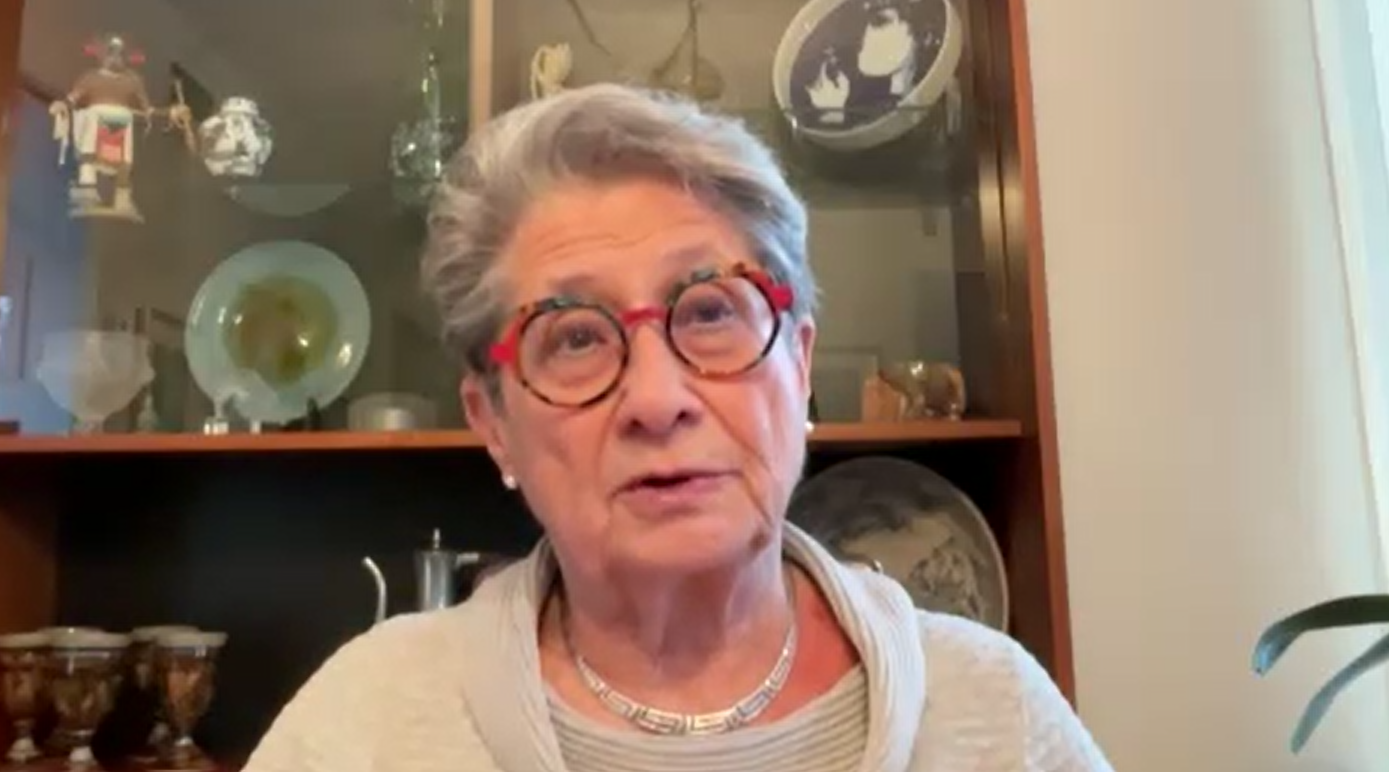
The administration at Dawson College in Montreal recently decided to cancel a long-planned Holocaust commemoration event. They cited concerns over "the current climate" and the potential for social tension. This was not a logistical failure. It was a calculated retreat. By silencing a 91-year-old survivor who was scheduled to speak, the institution chose the path of least resistance over its stated mission of academic inquiry and historical truth. This decision reflects a growing trend in North American higher education where the discomfort of the present is used as a justification to bury the lessons of the past.
The cancellation came at a moment when antisemitism is surging globally. Instead of providing a structured, educational environment to process this reality, the college opted for a total blackout. This is the definition of institutional cowardice. It prioritizes a sterile, friction-free environment over the difficult work of confronting genocide and human rights violations. When a college refuses to host a Holocaust survivor, it isn't just "postponing" a talk. It is signaling that certain historical facts are now too controversial to be spoken aloud.
The Fragility of Administrative Resolve
College administrators often talk about "safe spaces" and "inclusive environments." However, these terms have been weaponized to shut down discourse rather than facilitate it. In the case of Dawson College, the "climate" they feared was likely the presence of protesters or the eruption of heated debate. But education is meant to be the antidote to such volatility. By removing the speaker from the schedule, the administration effectively handed a victory to the very forces of intolerance they claim to oppose.
The survivor, Liselotte Ivry, has spent years educating young people about the horrors of the camps. She represents a living link to a history that is rapidly fading into the abstract. To tell such a person that their presence is too "risky" for a modern campus is a profound insult. It suggests that the feelings of students today are more significant than the industrial-scale slaughter of six million people. This is a complete inversion of educational values.
The Mechanism of Institutional Silence
Bureaucracy is where courage goes to die. The decision-making process in these scenarios rarely involves a single villain. Instead, it is a series of committees, risk assessments, and legal consultations that result in a collective shrug. They look at the "optics" and decide that the backlash from canceling is quieter than the noise of a potential protest.
This is a dangerous precedent. If the metric for holding an event is the total absence of controversy, then no meaningful history will ever be taught. History is, by its very nature, a record of conflict, suffering, and moral failure. If we only discuss the parts of the past that make us feel good about the present, we are not learning; we are engaging in propaganda.
The Cost of Historical Illiteracy
We are currently witnessing a massive spike in Holocaust denial and distortion among younger generations. Social media algorithms feed a diet of revisionist history to users who lack the foundational knowledge to debunk it. In this environment, the role of a college is more critical than ever. It must be the gatekeeper of facts.
When Dawson College pulls the plug on a commemoration, they validate the idea that the Holocaust is just another "perspective" that can be moved around a chessboard of political interests. It isn't. It is a documented historical reality. Treating it as a sensitive political topic rather than a fundamental lesson in human rights is a failure of leadership.
The ripple effect of this decision goes beyond Montreal. Other institutions are watching. They see that a major college can cancel a Holocaust event with relatively few consequences. They learn that they can avoid the "headache" of difficult conversations by simply removing the subject from the table. This is how memory is erased—not through a single decree, but through a thousand small acts of administrative convenience.
Accountability and the Path Forward
The college has issued various statements attempting to frame the cancellation as a matter of timing or safety. These explanations ring hollow. The "current climate" is exactly why the event should have proceeded. If a campus is too divided to hear from a survivor of the 20th century's greatest atrocity, then the campus has already failed its students.
True education requires the ability to sit with discomfort. It requires the courage to look at the worst aspects of our history and ask how we can prevent their return. By shielding students from this experience, the college is producing graduates who are ill-equipped to handle the complexities of the real world.
Reclaiming the Campus
To fix this, there must be a fundamental shift in how university boards and administrators view their roles. They are not brand managers. They are the stewards of a legacy of free thought and historical integrity.
- Mandate Historical Commemoration: Educational institutions should have clear policies that protect historical events from being canceled due to political pressure.
- Direct Engagement: Instead of canceling, colleges should increase security and provide moderated forums for discussion.
- Survivor Integration: Prioritize the voices of those who witnessed history before they are gone. There is no substitute for first-hand testimony.
The situation at Dawson College is a warning. It shows how easily an institution can fold when the pressure mounts. If we allow "sensitivity" to become a mask for censorship, we lose the ability to teach the truth. The survivors of the Holocaust did not endure the camps so that future generations could find their stories too "inconvenient" to hear.
We must demand more from our leaders. We must insist that the walls of a college are strong enough to hold the weight of our history, no matter how heavy it may be. The alternative is a slow, quiet slide into a world where the only history allowed is the history that offends no one. That is not a world where truth survives.
Demand an immediate, public explanation from the Dawson College Board of Governors regarding the specific threats or risks that outweighed the educational value of a Holocaust survivor's testimony.