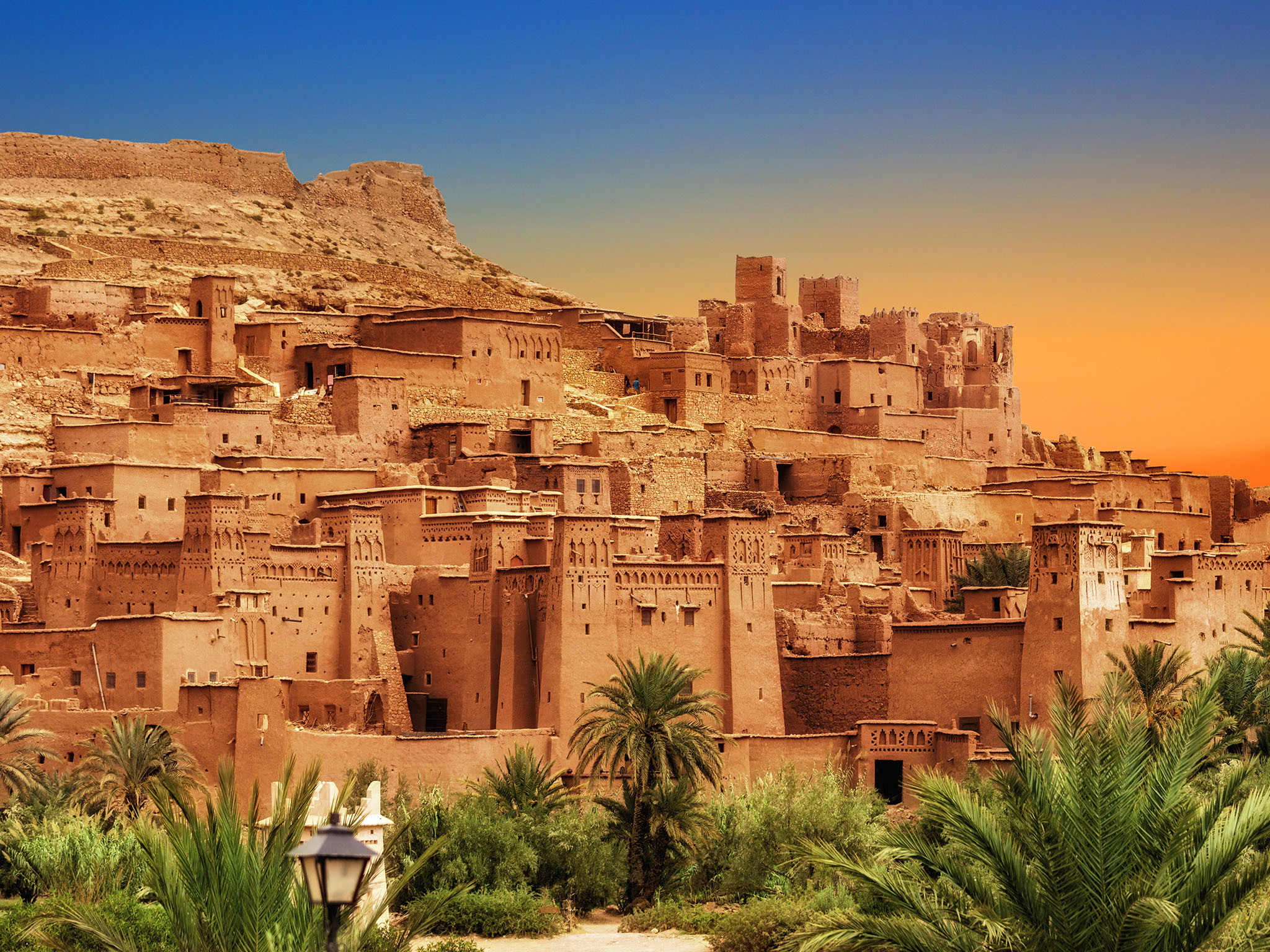
The romanticized narrative of packing a board bag, boarding a propeller plane, and landing in an untouched North African fishing village to surf empty lines of swell is a marketing masterpiece. For decades, surf magazines and lifestyle brands have sold a specific fantasy of Morocco. You picture yourself sliding down glassy rights with no one in sight, trading nods with weather-beaten local fishermen, and eating tagine by a campfire under a blanket of stars.
The reality on the ground is far more complicated.
If you are looking to learn how to surf in Morocco, the truth is that the untouched, secret fishing village is rapidly vanishing. What you find instead is a high-stakes collision between hyper-accelerated local real estate development, traditional maritime economies, and an unrelenting influx of international wave tourists chasing an Instagram aesthetic. Understanding how to navigate this ecosystem requires discarding the glossy brochures and looking directly at the friction points between traditional communities and modern adventure tourism.
The Geography of the Atlantic Coast
Stretching from the windswept headlands of the north down to the desert-meets-ocean breaks of the south, the Moroccan coastline offers some of the most consistent wave mechanics in the North Atlantic. Swell wraps around rocky points with predictable regularity, making the region a magnet for progression-hungry beginners and seasoned veterans alike.
Yet, convenience has replaced true isolation. Villages that were once accessible only via bone-rattling dirt tracks now feature asphalt roads, reliable cellular data, and boutique surf camps offering avocado toast alongside traditional mint tea.
This transformation did not happen by accident. It is the result of targeted infrastructure investment designed to capture the economic windfall of global surf culture. When you book a week-long beginner surf package in a coastal hamlet near Taghazout or Imsouane, you are participating in a multi-million-dollar industry. Local economies have shifted away from subsistence fishing and small-scale agriculture. Instead, they cater entirely to travelers who want to stand up on a foam board for the first time.
The Mechanics of the Local Surf Camp Economy
The typical beginner experience is standardized. You arrive at a whitewashed villa, meet a rotation of transient European surf coaches and local instructors, and spend your mornings navigating chest-high whitewater.
Behind the scenes, the economic plumbing of these operations reveals a stark disparity.
- Land Ownership: Many of the prime coastal plots housing luxury surf retreats are owned by outside investors or urban elites from Casablanca and Marrakech, rather than native villagers.
- Employment Hierarchies: Local residents frequently fill service roles—cooking, cleaning, and maintenance—while higher-paying technical jobs, such as lead surf coaching and management, often go to expatriates.
- Resource Strain: Small coastal towns were never engineered to handle the massive water consumption and waste generation of swimming pools, daily laundry cycles, and flush toilets demanded by modern tourism.
Water is precious on the edge of the Sahara. When a luxury surf camp fills a pool while neighboring households face municipal rationing, the tension becomes palpable.
Navigating the Lineup Dynamics
Learning to surf anywhere outside your home break carries social risk. In Morocco, the local lineup politics are governed by an unwritten code that demands absolute respect.
Novices often make the mistake of assuming that remote spots mean lawless spots. On the contrary, traditional village breaks have tight-knit hierarchies. Local surfers, many of whom learned on heavy boards in heavy water without the benefit of structured surf schools, protect their waves fiercely.
When a swarm of beginner tourists drops in out of ignorance, friction occurs.
Rules of Engagement in Moroccan Waters
- Acknowledge the Locals: A simple nod, a smile, and a greeting in Darija or French go a long way. Respect is currency.
- Stay Out of the Impact Zone: If you are still struggling to paddle, do not paddle out into a heavy point break just because the photos look good. Stick to beach breaks designated for instruction.
- Tip Your Instructors Well: Many local instructors work grueling hours for minimal base pay, relying on tips from appreciative clients to support their extended families.
The danger of the modern surf tourism boom is the erasure of nuance. When every coastal village is marketed as an undiscovered paradise, travelers arrive with a sense of entitlement. They expect the locals to be perpetually smiling extras in their personal travel documentary.
The Environmental Toll of Rapid Development
The ecological reality of Morocco's surf boom is rarely discussed in promotional reels.
Plastic pollution remains a persistent challenge along the Atlantic corridor. Increased consumption habits brought by tourists clash with municipal waste management systems that struggle to keep pace. Furthermore, coastal erosion fueled by unbridled concrete construction threatens the very sandbars that create the famous waves.
When cliffs are built up with concrete apartment blocks and surf houses, the natural runoff patterns change. Sand distribution shifts. Waves that broke with perfection a decade ago can degrade because a seawall alters the current.
You cannot separate the wave from the coastal ecosystem. To love the surf in Morocco is to bear witness to its gradual transformation under the weight of its own popularity.
Moving Beyond the Surf Camp Bubble
If you choose to learn to surf along this coastline, resist the temptation to isolate yourself inside the insulated ecosystem of a luxury camp. Rent a car. Eat at the roadside cafes where truck drivers and fishermen stop for tajine. Learn a few words of Arabic and Berber.
Recognize that your presence as a tourist carries weight. It shifts prices in the local souk. It alters the behavior of children in the streets. It changes the trajectory of a centuries-old fishing culture.
The waves are still there, reeling down the points with hypnotic perfection, waiting for the next tide to turn. But the experience of chasing them demands eyes wide open to the changing world on the shore.