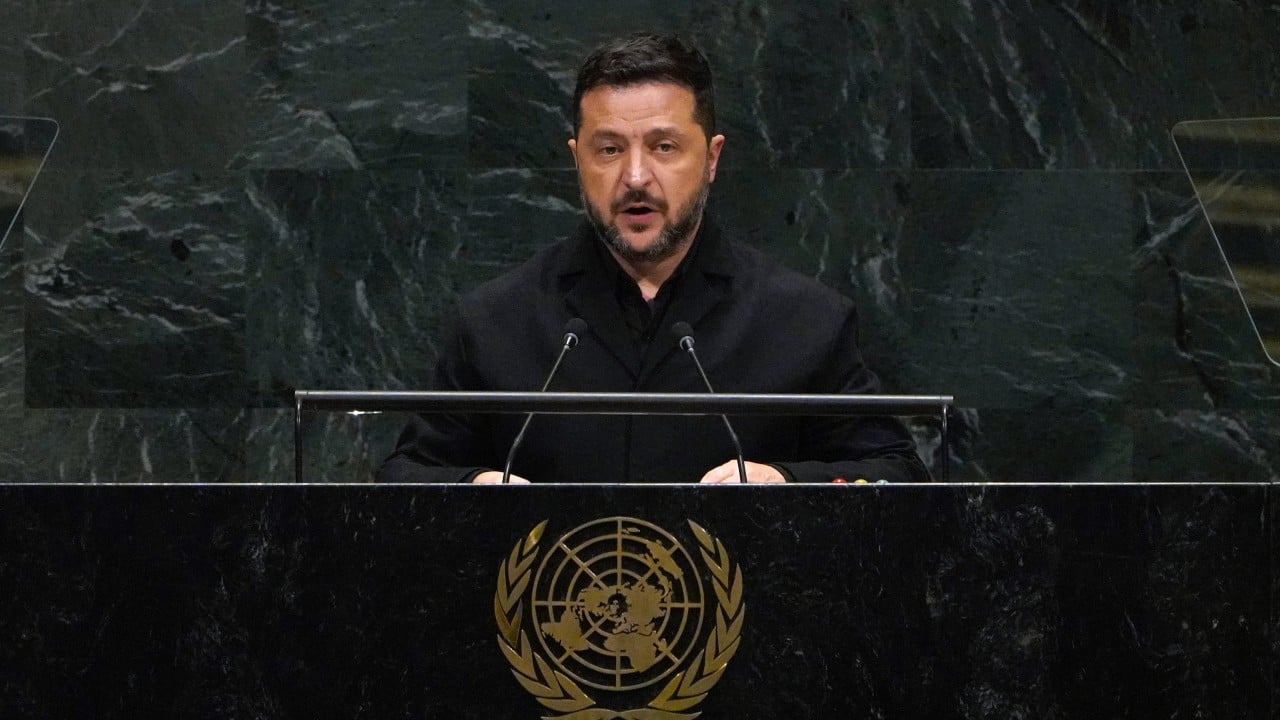
Russian forces keep striking Ukraine's energy infrastructure despite Washington's ceasefire push because Moscow views pre-winter grid destruction as a strategic lever that diplomatic talks have not surrendered. Ukrainian President Volodymyr Zelenskyy has repeatedly pointed to ongoing drone, missile, and glide-bomb assaults on substations, power plants, and heating networks even as U.S. envoys press for negotiations and public announcements claim truces or progress. For the Kremlin, hitting power facilities right before cold weather sets in is not a side effect of fighting. It is the centerpiece of its winter campaign.
Diplomatic headlines often make peace feel closer than it is on the ground. A social media post does not turn off a drone assembly line or stop a ballistic missile battery from firing. While U.S. mediators push trilateral discussions and float broader security frameworks, Moscow has treated talks as a parallel track rather than a substitute for coercion.
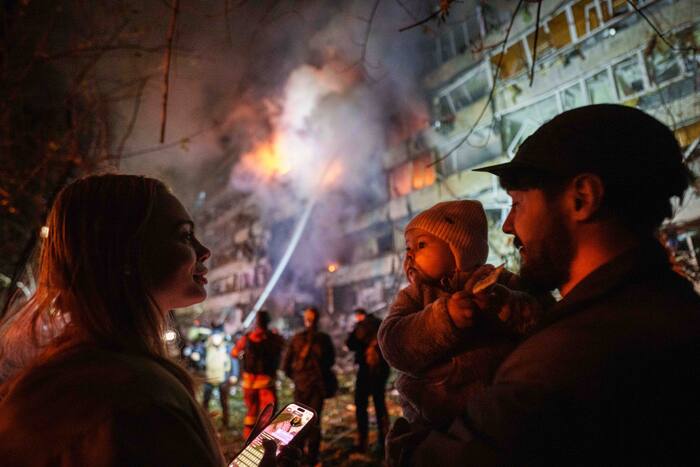
Look closely at what that image shows: heavy industrial heat and power infrastructure battered in winter conditions, where a single strike on a turbine hall, boiler house, or substation ripples outward into apartments, hospitals, water pumps, and rail switches. That is the real mechanics of energy warfare. You do not need to occupy a city to make daily life miserable when temperatures drop below freezing.
How Grid Strikes Work as Winter Leverage
Winter changes the math of infrastructure warfare. In July, a rolling blackout is an expensive nuisance. In late November, an outage on a district heating line or high-voltage transformer is an immediate test of survival.
Grid operator Ukrenergo and energy officials have warned that double-tap and repeat strikes create a compounding problem. Repair crews work around the clock to patch damaged switchgear, install temporary bypasses, or erect protective barriers around exposed transformers. When follow-up drones or missiles hit the same site before work finishes, crews lose both equipment and precious days of lead time before deep winter arrives.
Substations act as bottlenecks in any high-voltage network. Power generated far from urban centers—whether from nuclear reactors or remaining thermal plants—has to step down through transformers and move along transmission corridors before reaching city distribution grids. Knock out key nodes, and electricity cannot get where people need it most, even if generating capacity exists elsewhere.
| Target Category | Primary Function | Operational Impact When Hit | Why Moscow Prioritizes It |
|---|---|---|---|
| High-voltage substations | Steps down and routes electricity across regions | Triggers wide regional blackouts and voltage drops | Hard to replace quickly; leaves power trapped away from cities |
| Combined heat and power plants | Supplies both electricity and district heating | Cuts warm water and radiator heat in apartment blocks | Directly strains urban morale as temperatures fall |
| Gas and fuel distribution | Feeds boilers, backup generators, and logistics | Slows municipal heating and emergency backup power | Compounds winter shortages across major cities |
| Transformer repair yards | Houses spare hardware and replacement units | Delays restoration after earlier strikes | Turns short outages into multi-week bottlenecks |
Notice that Moscow's strikes do not happen in a vacuum. Kyiv has run its own long-range campaign against Russian oil refineries, fuel depots, and logistics hubs to squeeze Moscow's war economy and fuel supply. When temporary pauses or conditional energy truces are floated, both sides immediately run into a trust deficit: Kyiv argues that halting strikes on Russian refineries only makes sense if Moscow stops wrecking Ukraine's power and heating grid, while Russian officials frame their own barrages as retaliation or dispute whether an enforceable truce even exists.
Why Ceasefire Pushes Stall on Energy
Anyone who has covered peace negotiations for decades knows the oldest rule in the book. Belligerents rarely stop hitting high-value targets until the terms of a settlement—or the leverage on the battlefield—actually shift.
When Washington announces an energy ceasefire or pushes talks forward, the gap between political theater and verified military compliance becomes glaring. A truce without clear monitoring, agreed definitions of "energy infrastructure," and mutual enforcement leaves huge gray areas. Does a rail hub moving fuel count? What about a dual-use substation near an industrial plant? Without tight rules on paper, either side can claim a violation or argue the other is buying time.
Moscow has also shown a consistent negotiating pattern. Even when Russian representatives agree to sit in trilateral meetings or discuss timelines, the Kremlin holds firm on core territorial demands and broader security questions while keeping military pressure active. From Moscow's perspective, continuing strikes while talking costs little if Washington keeps mediating anyway, and it reminds Kyiv and its European backers of the price of holding out.
Ceasefire announcements move markets and headlines in hours; power grids take months to harden and repair.
There is a counter-argument worth taking seriously, too. Some diplomats and analysts argue that keeping talks alive—even when fighting continues—can eventually uncover narrow openings, such as localized pauses, prisoner swaps, or winter humanitarian rules, that total diplomatic silence would miss. That argument has merit if mediation stays grounded in reality. It fails when optimism is mistaken for compliance.
The Hidden Bottlenecks Behind Air Defense and Comms
Stopping wave after wave of drones, glide bombs, and missiles is not just a matter of political will in Washington or Brussels. It comes down to interceptor math and electronic warfare.
Air defense batteries burn through expensive interceptors faster than factories can produce them. Patriots and other high-end systems are vital against ballistic and cruise threats, while mobile air defense units, electronic warfare jammers, and interceptor drones handle high-volume drone swarms. Every missile fired at a cheap long-range drone costs far more than the drone itself, which is why layering cheaper defenses with high-end interceptors is essential.
Communications and targeting data add another layer of vulnerability. Modern air defense and counter-strike operations depend on fast, resilient satellite links and real-time sensor fusion. When Ukrainian officials raise alarms about restrictions or slowdowns on satellite connectivity such as Starlink or Starshield, the issue is practical rather than abstract: a delay of minutes in tracking or data transmission can be the difference between intercepting an incoming wave and watching a substation burn.
European capitals have also had to confront an uncomfortable reality. Even as U.S. envoys lead diplomatic outreach, European governments know they bear the closest geographic and economic fallout from prolonged instability, refugee pressures, and energy security shocks. Relying solely on diplomatic momentum without backing it up with air defense hardware, spare grid equipment, and sanctions enforcement leaves Ukraine exposed throughout the cold months.
What Actually Tests Whether a Truce Is Real
If you want to know whether any ceasefire push on energy is genuine, ignore the press releases for a moment and watch four concrete indicators:
- Verified drop in long-range strikes on substations and heat plants: Not a single quiet night, but a sustained multi-day decline confirmed by independent monitoring and grid operators.
- Clear definitions and a monitoring mechanism: Explicit agreement on what facilities are off-limits—power generation, transmission lines, substations, gas infrastructure, and refineries—plus a way to verify breaches.
- Uninterrupted defense and communications support: No sudden pauses or restrictions in intelligence sharing, air defense resupply, or satellite links that tempt Moscow to test defenses.
- Progress on core political sticking points: Tangible movement on security guarantees and territory rather than talks used solely to buy time ahead of winter.
A hypothetical example shows how quickly good intentions unravel without those guardrails. Imagine Washington announces a truce on power grid strikes on a Sunday, Kyiv halts refinery raids to test the waters, and by Monday morning a drone strike hits a regional heating plant while Moscow says its commanders received no order to stand down. Within forty-eight hours, the truce exists only on paper.
As long as Moscow believes winter darkness and cold can bend Kyiv or split Western resolve, energy infrastructure will remain in the crosshairs regardless of what diplomats say behind closed doors. Real leverage in these talks will come not from wishing the strikes away, but from making the grid harder to break and the war costlier to wage.