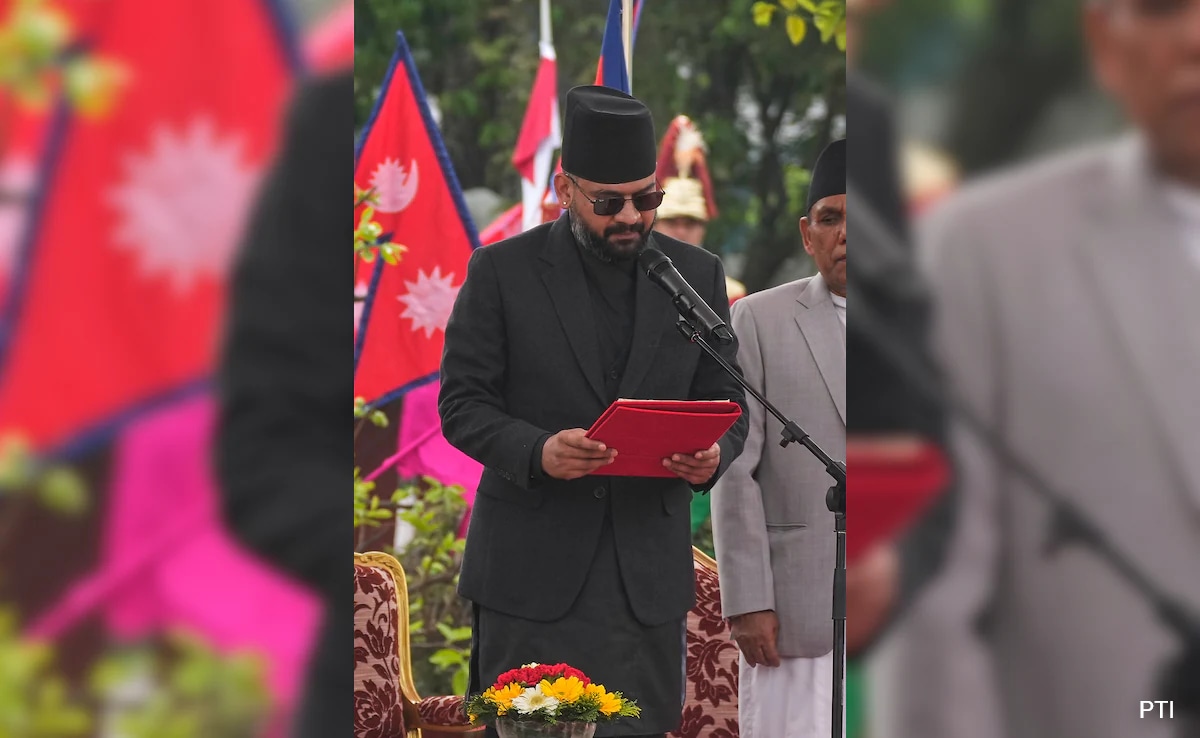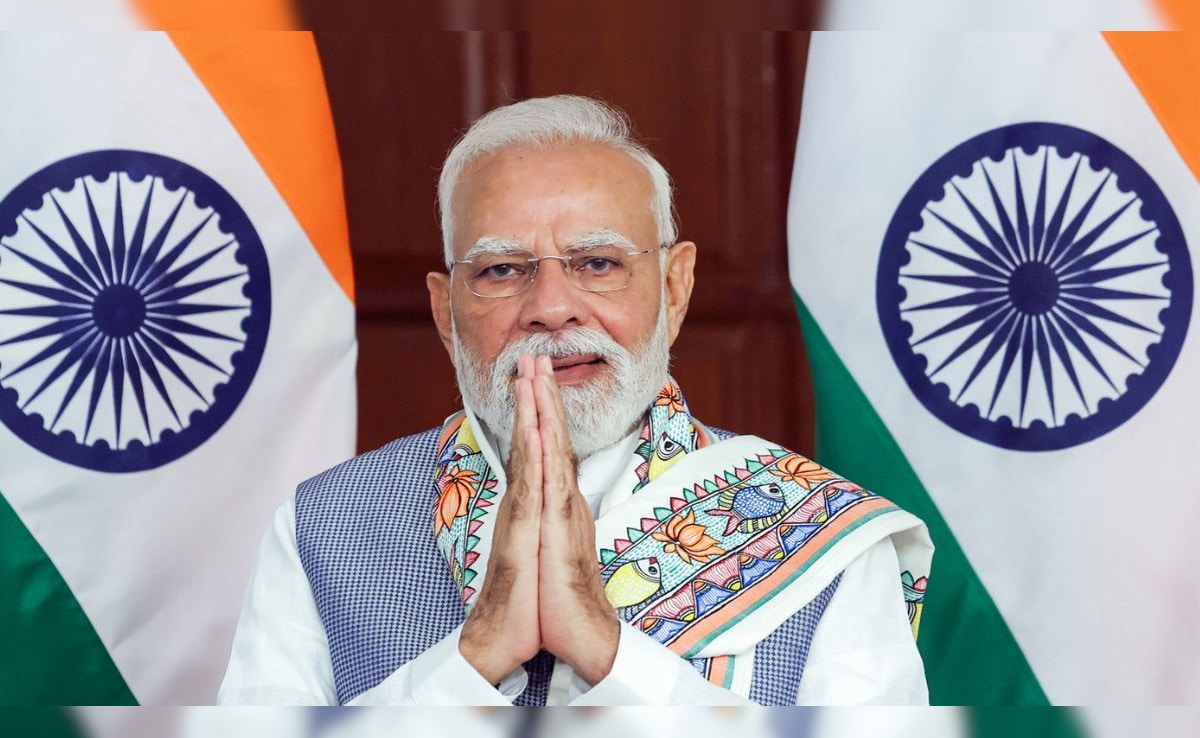
The standard diplomatic press release is a sedative. When Prime Minister Narendra Modi "congratulates" a new counterpart in Nepal and speaks of "working closely," the media dutifully treats it as a milestone. It isn't. It is a script. It is the geopolitical equivalent of "per my last email."
If you believe these tweets signify a new era of stability or a strategic win for New Delhi, you are misreading the room. The "neighborhood first" policy is currently a treadmill. India spends its energy reacting to the revolving door of Kathmandu’s leadership, while the actual structural leverage—the kind that moves markets and secures borders—is being eroded by a combination of Indian complacency and Chinese infrastructure debt.
The Congratulation Trap
Every time a new Prime Minister takes the oath in Kathmandu, we see the same cycle. A warm phone call from New Delhi, a promise of "civilizational ties," and a visit to a temple. Then, six months later, the same leader is signing a hydro-power deal with Beijing or pivoting to "sovereign autonomy" to score points with a domestic audience tired of being India-locked.
The "lazy consensus" among foreign policy analysts is that India’s shared culture and open border are its greatest assets. In reality, they are often liabilities. Familiarity breeds contempt. By leaning on "Roti-Beti" (bread and daughter) ties, India ignores the hard-nosed reality that Nepal is a sovereign state that wants to play its two giant neighbors against each other.
Why does India keep falling for this? Because the bureaucracy in the Ministry of External Affairs is addicted to the status quo. They prefer a predictable cycle of "working closely" to the messy, difficult work of actually out-competing China on the ground.
China Is Not "Influencing" Nepal—They Are Buying It
While India talks about historical bonds, China is building tunnels.
The Trans-Himalayan Multi-Dimensional Connectivity Network isn't just a mouthful; it is a physical displacement of Indian influence. Beijing doesn't care about "working closely" in a sentimental sense. They care about the Kerung-Kathmandu railway. They care about fiber optic cables that bypass Indian servers.
- Logic Check: If your neighbor offers you a history book and your other neighbor offers you a highway, which one helps you pay the bills?
- The Data Gap: Indian projects in Nepal, like the Pancheshwar Multipurpose Project, have been stuck in "discussions" for nearly three decades. China, meanwhile, has become Nepal's largest source of Foreign Direct Investment (FDI).
I have seen this play out in private equity and infrastructure across emerging markets. The party that moves the slowest loses, regardless of how long they have known the "family." India behaves like a legacy brand that thinks it’s entitled to market share because its grandfather owned the store. China is the aggressive startup burning cash to acquire the user base.
The Sovereign Pivot Nobody Admits
Nepal’s political instability is not a bug; for their ruling elite, it is a feature.
By constantly switching coalitions—shifting from the Nepali Congress to the CPN-UML or the Maoist Center—Kathmandu ensures that neither India nor China can ever get too comfortable. The moment New Delhi thinks they have "their man" in the PM's office, the rug is pulled.
The congratulatory tweet from PM Modi is a desperate attempt to project a stability that doesn't exist. We are celebrating the start of a marathon while the runner is already looking for the exit.
Stop Trying to "Fix" Nepal
The biggest mistake Indian hawks make is suggesting India should "intervene" or "manage" Nepali internal politics more aggressively. That is 1980s thinking. It backfires every time.
Instead, India needs to stop treating Nepal like a younger brother and start treating it like a high-stakes business partner.
- Monopolize the Power Grid: Nepal has massive hydropower potential. India is the only logical buyer. Instead of vague diplomatic support, India should be ruthlessly fast-tracking the transmission lines. If you control the export market for their only major resource, you don't need to tweet about "working closely." You own the switch.
- The Currency Lever: The Nepali Rupee is pegged to the Indian Rupee. This is a massive anchor of stability for Nepal, yet India rarely uses this as a point of strategic negotiation.
- Drop the Moral High Ground: Stop talking about "big brother" responsibilities. Talk about ROI. Talk about logistics. Talk about the $10 billion trade deficit.
The Myth of the "Open Border"
Everyone loves to cite the 1950 Treaty of Peace and Friendship as the bedrock of the relationship. It’s actually the source of the friction. It allows Nepali citizens to work in India, which is great for their economy, but it also provides a convenient political punching bag for Nepali nationalists.
If India truly wanted to disrupt the cycle, it would propose a total overhaul of the 1950 treaty. Not a "review," but a demolition. Force the Nepali leadership to define exactly what they want. Most of them realize that a closed border would collapse their economy within weeks, but they love to pretend otherwise on the campaign trail. Call the bluff.
The Cost of Inaction
What happens if we keep "congratulating" and "looking forward" without changing the mechanics?
Imagine a scenario where the Himalayan border is effectively moved south. If China completes its rail links and establishes a permanent security presence under the guise of "protecting investments," India’s northern security architecture becomes obsolete. You cannot defend a border that has already been economically bypassed.
India's "soft power" (Bollywood, shared religion, language) is a nice-to-have. It is not a strategic defense. Ask any CEO: Brand loyalty vanishes the second a cheaper, faster, more reliable competitor enters the market. India is the high-cost, slow-delivery incumbent.
The Brutal Truth About "Closeness"
When PM Modi says he wants to work "closely," what he’s actually doing is managing a decline.
The relationship isn't "improving"; it’s being maintained on life support. To actually win in the Himalayas, New Delhi has to stop being the sentimental neighbor and start being the indispensable partner. That means finishing the roads, buying the electricity, and ignoring the political theater in Kathmandu.
Everything else is just a press release.
India must stop reacting to who wins the seat in Kathmandu and start dictating the economic reality that any winner must face. If the cost of pivoting to China becomes too high for the Nepali treasury to bear, the "closeness" will take care of itself. Until then, these congratulatory messages are just noise in a room where the air is getting thinner.
Stop looking forward. Start looking at the ledger.