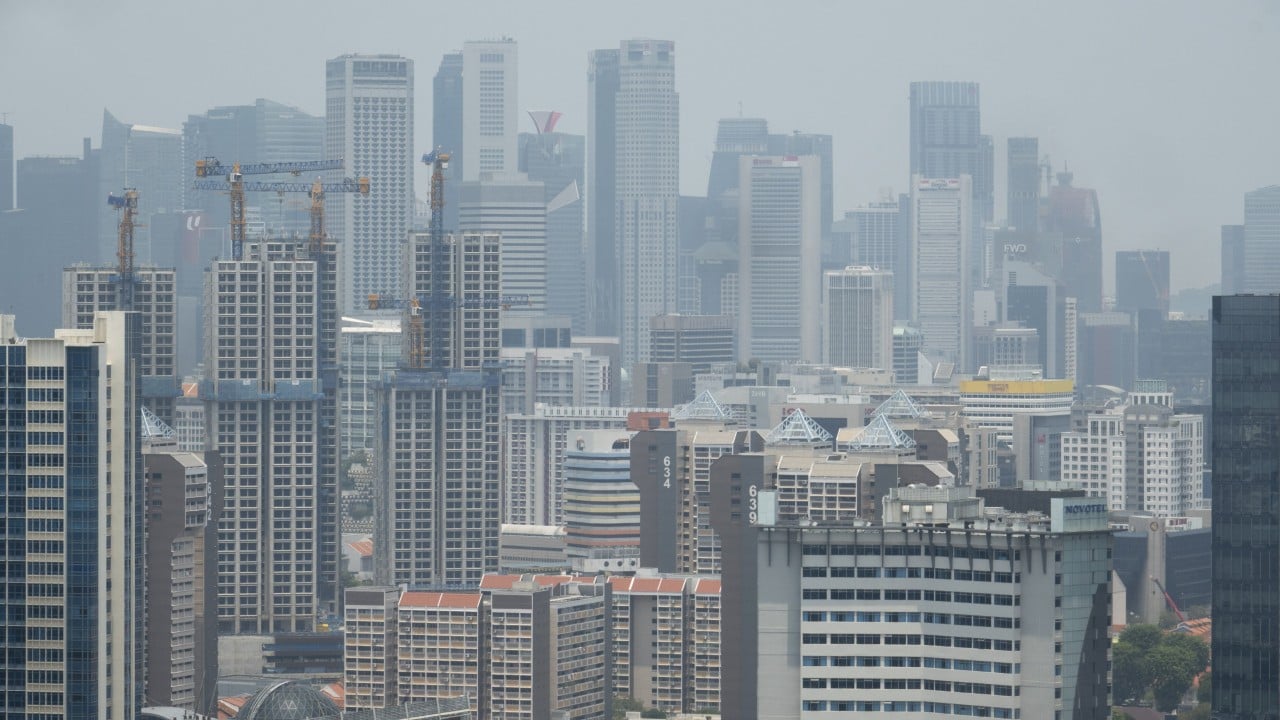
The desk lamp in the corner of the fifth-floor newsroom flickered twice before settling into a steady, amber hum. Outside, the Hong Kong harbor wore its usual evening armor—a dizzying lattice of neon reflecting off black water, ferries churning white foam against the Star Ferry pier, and the endless pulse of commerce that never quite remembered how to sleep.
Inside, the silence was heavy.
For decades, this room had been a bridge. When Wall Street closed its eyes, Hong Kong woke up to open them. Producers, floor managers, and reporters shared inside jokes over lukewarm milk tea at 3:00 AM, tracking currency shifts and commodity ticks that would dictate breakfast conversations across Manhattan and London. The ticker tape ran through the veins of the city, a relentless heartbeat of global capitalism.
Then came the quiet memo.
CNBC, the titan of financial television, was pulling the plug. Not just a trim. Not a polite downsizing. A complete dismantling of its Hong Kong operations and the permanent shelving of its signature international shows.
To a spreadsheet in a corporate headquarters ten thousand miles away, this looked like efficiency. To the people who spent their youth chasing breaking news across the Asia-Pacific rim, it felt like the end of an era.
Consider what happens when a window closes. You do not just lose the view. You lose the air.
The Weight of a Breaking Market
To understand why this shutdown matters, you have to understand the peculiar psychology of international financial news. Markets are not driven by numbers alone. They are driven by narrative, speed, and the fragile currency of trust.
Imagine standing on the floor of the Hong Kong Exchanges and Clearing building just as a major regulatory shift drops from Beijing. The air changes instantly. Voices sharpen. Keyboards clatter like hail on a tin roof. In that exact microsecond, a producer in the Hong Kong studio is making a split-second calculus: Who do we call? How do we frame this? Is this a localized tremor or a global earthquake?
That intuition cannot be outsourced to an algorithm in New Jersey. It is built on decades of institutional memory, local sources cultivated over dim sum lunches, and the instinctive ability to smell a corporate falsehood before it makes the wire service.
When a network scraps its regional hub, it amputates its own radar. It trades the nuanced, lived reality of a region for a homogenized feed generated from afar.
The numbers tell part of the story. Global media companies are bleeding viewers to fragmented digital platforms, while advertising dollars shift toward targeted social feeds. Traditional cable television is fighting a slow-motion attrition war against streaming, TikTok, and subscription fatigue. Running a physical bureau with high-priced satellite uplinks, foreign correspondents, and localized production crews is expensive.
Yet, looking only at the balance sheet misses the human cost of this retreat.
The Anatomy of an Exit
Meet David. (This is a composite character based on veteran broadcast producers who have weathered the shifting tides of modern media.) For twenty-two years, David has lived by the clock of the opening bell. His marriage survived multiple market crashes, three pandemics, and countless midnight phone calls from London anchors demanding instant context on a sudden plunge in the Hang Seng Index.
David knows the exact delay of every satellite feed between here and Singapore. He knows which government spokespeople will take a call on a Sunday afternoon and which ones are blowing smoke.
When the restructuring announcement landed, David did not yell. He packed his desk into a single cardboard box. A few framed photographs of him standing outside the old Exchange Square building, a mug shaped like a Bloomberg terminal, and a stack of dog-eared notebooks filled with handwritten notes from interviews that shaped global economic policy.
"We used to tell the story of the world as it woke up," David told a colleague over a farewell pint of stout in Lan Kwai Fong. "Now, they just want us to read the footnotes after the fact."
This is the hidden cost of the great media contraction. We are slowly blinding ourselves to the corners of the earth that require physical presence to understand. A camera crew does not just capture pictures; they act as witnesses. When corporations decide that international reporting is a luxury rather than an anchor of a free society, the world shrinks. And not in a good way. It shrinks into an echo chamber where only the loudest, closest voices get heard.
The Aftershock
The ripples of CNBC cutting its international shows and shuttering the Hong Kong bureau extend far beyond the television industry.
Financial literacy in Asia has long been anchored by these broadcasts. Retail investors, corporate executives, and policymakers relied on that signal to gauge global sentiment. When the window to the East goes dark, Western capital loses its peripheral vision. We enter a phase of financial isolationism, where markets look inward because the interpreters have packed up and gone home.
We are watching the death of a specific kind of global journalism—one that believed physical proximity to a story was worth the overhead.
The studio lights in Hong Kong are off now. The equipment is being crated, tagged, and shipped to warehouses or sold off for scrap. The producers have scattered to public relations firms, rival tech startups, or early retirement.
Out in the harbor, the ferries keep running. The neon signs still paint the water in streaks of electric pink and neon green. The market opens tomorrow, just as it always has, with or without the cameras rolling.
Only now, when the unexpected happens in the east, there will be fewer people watching closely enough to tell us why it matters before the rest of the world wakes up.