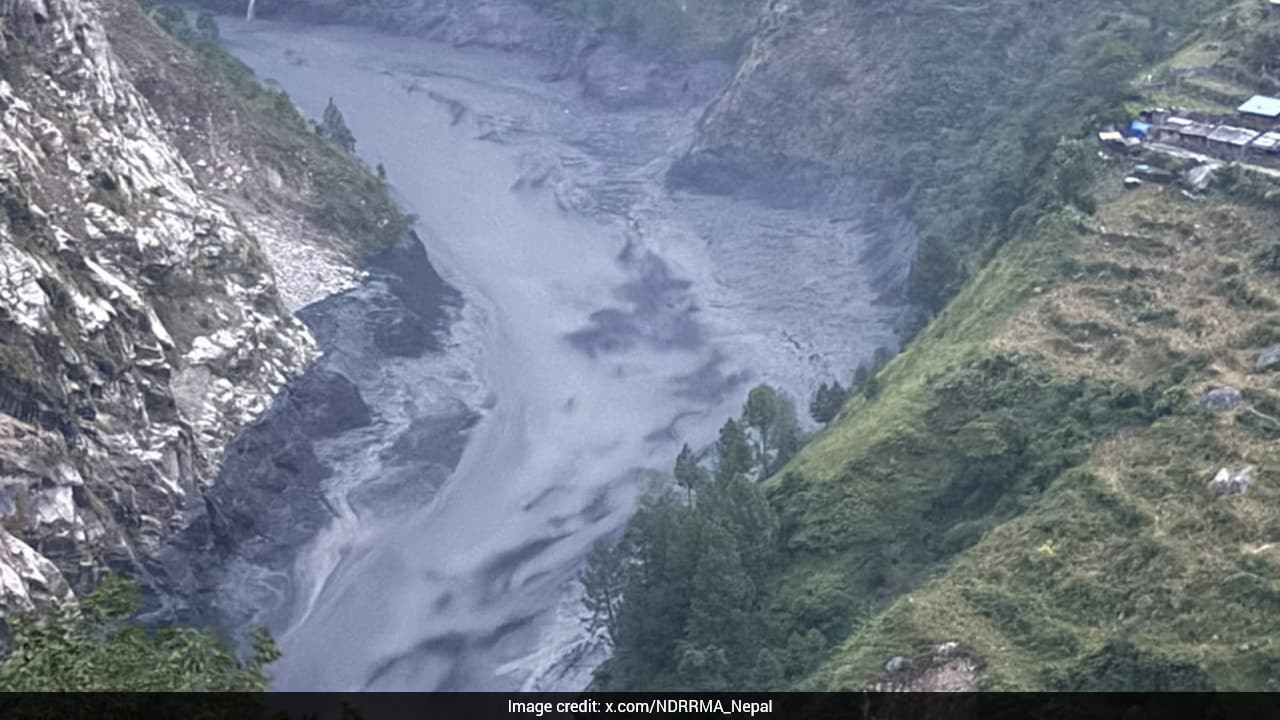
Flash floods continue to tear through Nepal, sweeping away houses and critical infrastructure months after previous disasters caught authorities flat-footed. This recurring catastrophe is not simply an act of hostile weather. It is the predictable outcome of unchecked environmental degradation, hollowed-out disaster management frameworks, and an institutional refusal to learn from immediate history.
When heavy rains strike fragile Himalayan slopes already destabilized by prior tremors and unmitigated road construction, the earth moves. Entire settlements vanish into roaring torrents of mud and debris. The human cost is measured in lives lost, families displaced, and communities left to rebuild from zero, only to watch the next wet season wash their efforts away. For an alternative look, check out: this related article.
Standard reporting points to the monsoon or sudden cloudbursts as the primary culprits. That explanation is convenient for agencies tasked with public safety. It is also dangerously incomplete. Weather is the trigger, but structural vulnerability is the loaded gun.
The Anatomy of Recurring Triggers
Geography in the Himalayan region is unforgiving. Steep topography, fragile geological formations, and intense seasonal precipitation create inherent risks. Yet human activity has accelerated these hazards exponentially over the past two decades. Unregulated hillside excavation for rural road links has destabilized millions of tons of topsoil. When unmanaged runoff hits these artificial scars, mudflows become inevitable. Similar analysis on the subject has been provided by NPR.
Communities situated along river corridors find themselves in the crosshairs because downstream sediment loads have risen dramatically. Rivers choked with debris from upstream landslides lose their carrying capacity. Even moderate rainfall now pushes rivers over their banks, inundating valleys that remained safe for generations.
Local authorities often rely on reactive emergency response rather than proactive relocation or watershed restoration. Rescue teams deploy after bridges collapse and houses wash away. Relief packages arrive weeks late. Emergency funding acts as a temporary bandage on an open wound while the underlying pathology worsens.
Institutional Myopia and Policy Failures
Disaster management in Nepal suffers from fragmented jurisdiction and chronic underfunding at the municipal level. National early warning systems have improved in terms of radar technology and SMS alerts, but the last mile of communication frequently fails. Marginalized communities living near riverbanks often lack access to reliable telecommunications or clear evacuation protocols.
Urban planning, where it exists, is routinely ignored. Concrete structures rise directly on floodplains. River training works—engineered embankments designed to guide water safely through settlements—are frequently compromised by poor construction quality or corruption. When high-velocity flash floods hit substandard gabion boxes and concrete walls, the infrastructure shatters like glass, giving a false sense of security that turns deadly.
Insurance mechanisms remain virtually non-existent for rural agrarian households. A single flood wipes out a family's entire capital assets, locking them into cycles of generational debt and poverty. International aid offers short-term relief, but foreign donors grow fatigued by the annual cycle of destruction in the same river basins.
Reengineering Disaster Response
Mitigating these recurring catastrophes requires a fundamental shift in strategy. Environmental impact assessments for rural infrastructure must move from bureaucratic checkboxes to enforceable mandates. Local governments need the legal authority and financial resources to halt construction on active alluvial fans and high-risk flood zones.
Nature-based solutions deserve priority over heavy engineering. Reforestation of upper catchments, wetland restoration, and bio-engineering techniques can absorb significant energy from runoff before it reaches populated valleys. Communities must be integrated into early warning systems with redundant communication channels that function even when power grids fail.
The recurring devastation in Nepal is a stark warning for other mountainous regions facing accelerated climate volatility. Ignoring the root causes guarantees that the next disaster is only a storm away.