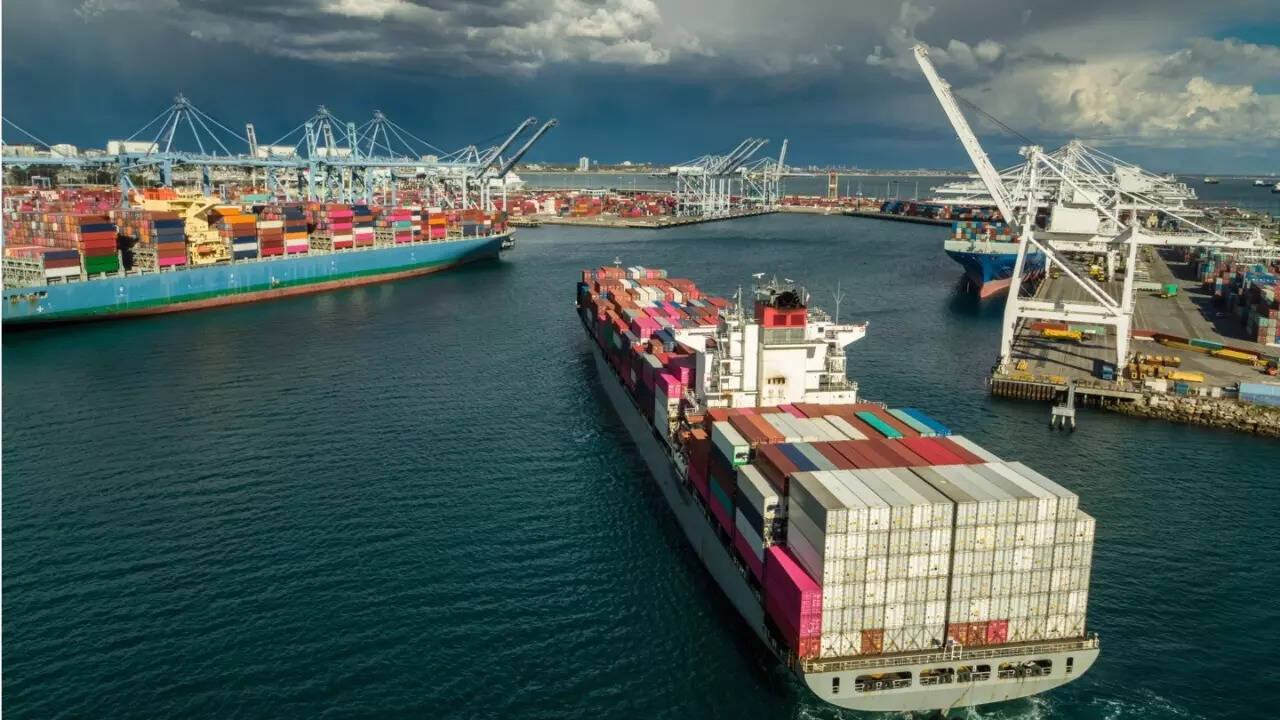
Shipping stuff between Dubai and Oman used to be a headache of paperwork and long waits at the border. If you’ve ever managed a supply chain in the Middle East, you know that "just-in-time" delivery often feels like "hopefully-it-gets-there." That's changing right now. The UAE just flipped the switch on a green corridor with Oman, and it's not just another bureaucratic announcement. It’s a literal fast track for sea and air cargo that cuts through the red tape that usually slows down regional trade.
The Dubai Oman green corridor is officially live. It links Dubai’s massive logistics hubs—think DP World’s Jebel Ali Port and Dubai South—directly with Omani ports and centers. We aren't just talking about a few less forms to sign. This is a structural shift in how goods move across the border. For businesses tired of their containers sitting idle while customs officers tick boxes, this is the news they’ve been waiting for.
The End of Border Bottlenecks
The old way of doing things was clunky. You’d have separate inspections, mismatched digital systems, and a lot of "wait and see" at the Hatta border or port terminals. This new setup synchronizes customs procedures between the two nations. When a shipment leaves Dubai, the data hits the Omani system instantly. Pre-clearance is the name of the game here.
By the time a truck reaches the border or a ship docks at Sohar, most of the heavy lifting is done. The "green" in green corridor refers to this cleared status. It’s a VIP pass for cargo. We’ve seen similar setups in Europe with the Schengen area's logic, but bringing this level of integration to the GCC is a huge step forward. It removes the friction that kills profit margins for small and medium enterprises.
Why Sea and Air Integration Matters
Most people think of trade as either a ship or a plane. They're wrong. Modern logistics is about the handoff. Dubai has mastered the sea-to-air transition. You land a ship at Jebel Ali, move the containers to Al Maktoum International Airport (DWC), and fly them out to Europe or New York. Adding Oman into this loop makes the network more resilient.
If Jebel Ali is congested, you now have a streamlined path to Omani ports like Salalah or Sohar without the usual "foreign cargo" penalties. It creates a massive, unified logistics zone. It’s basically one giant warehouse spread across two countries. This matters because speed is the only currency that counts in 2026. If you can’t get your product to the shelf faster than the guy next to you, you’re losing.
Digital Systems Are the Real Heroes
Forget the physical roads for a second. The real magic happens in the software. The integration uses advanced tracking and blockchain-based documentation to ensure that what stays in the container is exactly what was reported. This isn't just about moving boxes. It's about moving data.
When the UAE and Oman talk about "live" systems, they mean real-time visibility. Logistics managers can now see exactly where their shipment is without making ten phone calls to different clearing agents. It’s transparent. It’s fast. Honestly, it’s about time.
Shifting Trade Patterns in the GCC
This move isn't happening in a vacuum. The UAE is aggressively hunting for ways to solidify its spot as the world's logistics capital. Oman, with its strategic location outside the Strait of Hormuz, offers a safety valve. By linking them with a green corridor, both countries win.
- Reduced Costs: Less time at the border means less money spent on fuel and driver hours.
- Better Freshness: For food and pharma, three hours saved at a checkpoint is the difference between a sale and a write-off.
- Reliability: Predictable schedules mean companies can carry less "safety stock," freeing up cash.
I’ve talked to logistics providers who spent years complaining about the Hatta crossing. They weren't just annoyed; they were losing clients. This corridor addresses those grievances directly. It’s a practical solution to a long-standing geographic annoyance.
Making the Move to Use the Corridor
If you’re running a business and want to jump on this, you can’t just show up and expect the green light. You need to be part of the Authorized Economic Operator (AEO) programs. This is basically a "trusted trader" status.
- Audit Your Paperwork: Ensure your digital records match the UAE’s Federal Tax Authority and Customs requirements.
- Apply for AEO Status: If you haven't done this yet, you're behind. It's the golden ticket for the green corridor.
- Link Your Systems: Work with a freight forwarder who has direct API integration with Dubai Trade and Omani customs.
Don't wait for the competition to figure it out first. The companies that integrated their supply chains during the initial rollout of the Dubai-Saudi paths saw immediate drops in transit times. The Oman route will be no different. The infrastructure is there. The tech is live. The only thing left is for you to actually use it. Clear your backlog, update your routing guides, and start moving cargo through the path of least resistance.