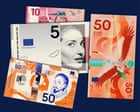
Paper money is getting a makeover across the eurozone, and the choices on the table couldn't be more polarized. You can pick human brilliance or natural migration. The European Central Bank recently unveiled ten shortlisted design proposals, marking the first total overhaul of euro banknotes since they entered circulation back in 2002.
If you hated the old abstract bridges and windows for being boring and sterile, you're going to have strong opinions about what comes next. The contest has narrowed down a massive field of 1,241 applications submitted by graphic designers. Now, the public gets to weigh in before a final decision arrives by the end of 2026.
Two distinct philosophies are fighting for space in your future wallet.
The Cultural Heavyweights
One side of the competition relies heavily on human achievement. The European culture theme puts iconic historical figures front and center.
Instead of hiding behind generic architecture to avoid offending individual member states, the European Central Bank is leaning right into identity-building. The lineup features legendary figures mapped across different denominations:
- Maria Callas on the 5-euro note
- Ludwig van Beethoven on the 10-euro note
- Marie Curie on the 20-euro note
- Miguel de Cervantes on the 5-euro note or 50-euro note depending on layout
- Leonardo da Vinci on the 100-euro note
- Bertha von Suttner on the 200-euro note
Graphic designers took wildly different creative liberties with these portraits. Some proposals crop the faces tightly around the eyes to emphasize vision, while others render the historical figures in a loose, graphic-novel style. It breaks away from traditional currency design norms entirely.
The Wildlife Alternative
The opposing theme pivots entirely away from human history. It looks at nature through a lens called "Rivers and birds."
This option features six native European bird species mapped across typical landscapes, moving sequentially from mountain sources down to the sea:
- Wallcreeper
- Kingfisher
- Bee-eater
- White stork
- Avocet
- Northern gannet
On the flip side of these bills, the designs pair each bird with buildings housing official European Union institutions, like the European Parliament or the Court of Justice. Proponents argue that migrating birds symbolize borderless freedom across the continent in a way that individual historical figures from specific nations never could.
Why This Redesign Is Happening Now
Security drives the primary engine behind this massive shift. Counterfeiting techniques get sharper every year. Central banks must periodically refresh physical currency to stay miles ahead of criminals.
Yet, the European Union clearly seized this administrative necessity as a cultural opportunity. Past designs featured fictional windows and doors specifically to maintain strict neutrality. Nobody could complain that a bridge looked too French or too German because the bridge didn't exist in reality.
Times have changed. European identity politics look entirely different today. Central bank leaders want currency to evoke real emotional resonance rather than corporate blandness.
What Happens Next
Public feedback remains open through an online survey running until September 21, 2026. While the survey results won't act as the sole deciding factor—a specialized jury and technical assessments also carry weight—they heavily influence the Governing Council's final verdict.
Don't expect to see these in your pocket anytime soon, though. Whichever design wins out at the end of the year still needs years of production and security testing. The fresh banknotes won't actually enter circulation until 2030 or 2031.
Until then, your old abstract euro notes retain full value and remain completely valid for everyday spending. Whether you prefer staring at Maria Callas or a migrating stork during your morning coffee run, cast your vote before the window closes.