Border crossings shouldn't feel like chaotic obstacle courses. Yet anyone who frequently travels between Hong Kong and Shenzhen knows the usual peak-hour bottleneck pain. That's why the recent large-scale operational drill at the revamped Huanggang Port Hong Kong Port Area drew immense attention from commuters and officials alike.
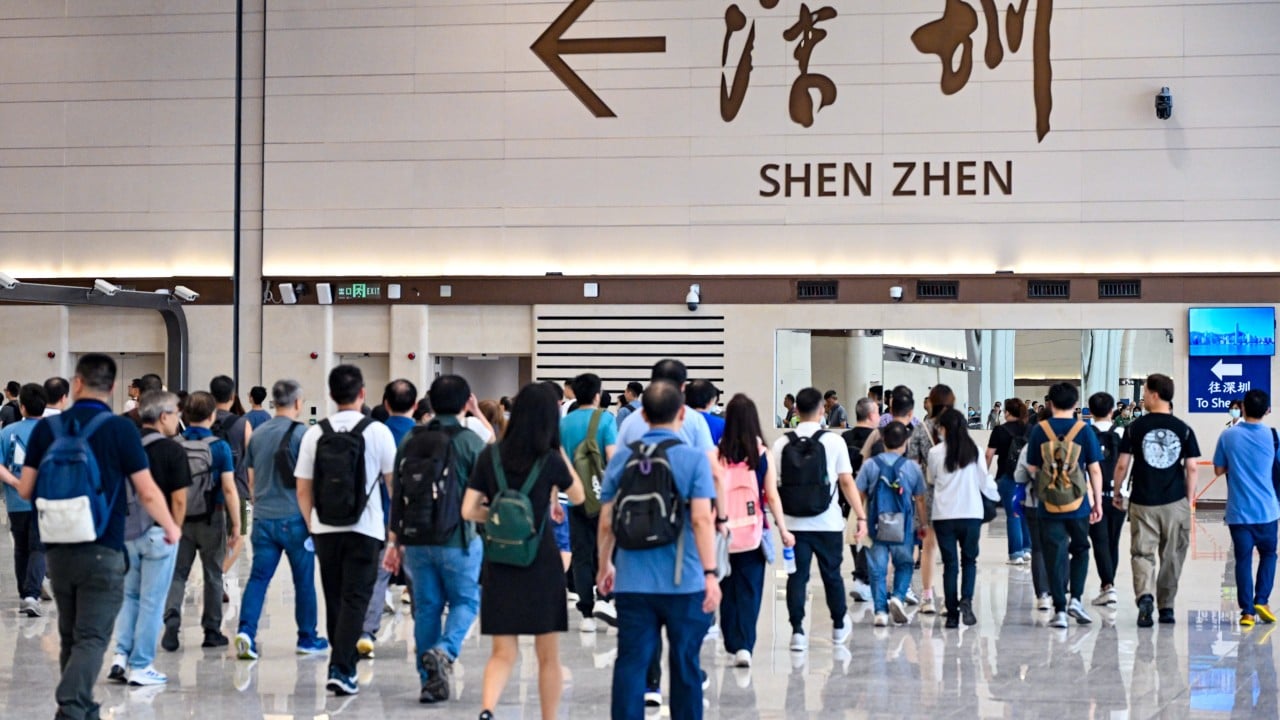
About 1,000 civil servants from over 20 government departments packed into buses, minibuses, taxis, and cross-boundary coaches to stage a massive stress test. They weren't just going for a ride. They were testing whether the new facility can handle the heavy human tide expected upon its official opening.
Inside the Huanggang Port Stress Test
Logistics make or break modern border infrastructure. If the public transport interchange chokes up, the entire multi-billion dollar upgrade fails its primary purpose.
During the exercise, participants arrived at the second-floor public transport interchange, surged up to the fifth-floor departure hall, looped through the fourth-floor arrival hall, and returned to the transit interchange. Transport operators dispatched vehicles for more than 120 cyclical departures. This simulation aimed to replicate the exact friction points of peak travel times.
Secretary for Security Chris Tang and Secretary for Transport and Logistics Mable Chan inspected the site firsthand. They didn't just watch from a distance. They tracked how quickly crowds dispersed and how well different transport modes managed simultaneous boarding and alighting.
Fixing Bottlenecks Before the Public Arrives
Real tests always expose hidden flaws. That's the entire point of running drills with real bodies instead of relying on computer models.
While officials praised the overall flow as smooth and well-organized, participants flagged specific operational friction points. Some testers noted that queue control mechanisms needed tightening and specific directional signage lacked clarity. These tiny details matter immensely when dealing with tens of thousands of anxious travelers carrying heavy luggage.
The feedback loop kicked in immediately. Authorities noted the critiques regarding signage and passenger routing, promising adjustments before general public access begins.
What the Revamp Means for Travelers
The rebuilt Huanggang Port aims to streamline transit through advanced clearance concepts. Past iterations suffered from disjointed inspection checkpoints that forced travelers to queue multiple times.
The updated layout incorporates streamlined passenger and vehicular clearance procedures. By testing pedestrian capacity alongside taxi bays and bus loops now, the government hopes to avoid the opening-day chaos that typically plagues major infrastructure projects.
Smaller, targeted departmental exercises had already tested e-channels and emergency vehicle procedures days prior. But Thursday's massive trial combined every moving part into a single ecosystem.
Officials haven't locked in an exact opening date yet. Both the Hong Kong and Shenzhen governments insist that safety and operational smoothness take priority over arbitrary calendar deadlines. Subsequent drills will keep testing the limits of the boundary control point until every minor kink is ironed out. Keep an eye on official transport announcements if you plan to update your regular cross-boundary commuting routes later this year.