The ink on the interim memorandum of understanding signed by Donald Trump and Iranian President Masoud Pezeshkian isn't even dry, and the global economy is already holding its breath. If you thought a signed piece of paper meant an instant end to the 110-day war, you haven't been paying attention to the reality of Middle Eastern geopolitics.
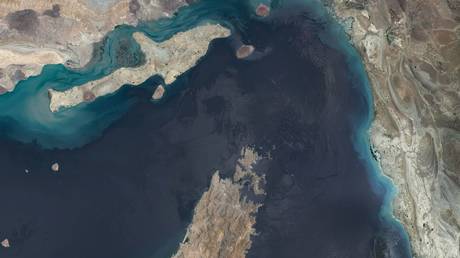
Just hours after shipping companies began tentatively sending oil tankers back into the Persian Gulf, the Iranian military announced it had closed the Strait of Hormuz yet again.
This isn't just a minor diplomatic speed bump. It's a high-stakes game of chicken playing out right now as negotiators from both sides land in Switzerland for technical talks. The global economy, energy security, and the actual leverage of the United States are all on the line. Here is exactly what is happening behind the closed doors in Bürgenstock and on the waters of the world's most volatile choke point.
The Chaos Behind the Reopened and Rewritten Rules
The preliminary agreement signed earlier this week was supposed to act as a 60-day pause button. The core terms seemed straightforward on paper: an immediate halt to fighting on all fronts, including Lebanon; Iran down-blending its highly enriched uranium stockpile on its own soil; and the US lifting its naval blockade to let Iranian oil flow freely.
Then reality hit.
Iran claims the US and Israel already breached the agreement by failing to fully halt military actions and ensure an Israeli withdrawal from southern Lebanon. In retaliation, the Islamic Revolutionary Guard Corps Navy declared the Strait of Hormuz closed to all maritime traffic.
Meanwhile, US Central Command claims traffic is still flowing, stating that 55 merchant ships carrying over 17 million barrels of oil transited without incident.
This public contradiction reveals the core friction of this entire process. Iran uses its geographical dominance over the strait as tactical leverage the moment negotiations don't swing its way. They aren't just trying to disrupt global markets; they're trying to force the US delegation in Switzerland—led by figures like Jared Kushner, Steve Witkoff, and potentially Vice President JD Vance—to make concessions before the formal nuclear framework is even drawn up.
The Oil Sanctions Blunder
One of the biggest criticisms of this interim deal is how the Trump administration handled the economic leverage. The US immediately issued Department of Treasury waivers for the export of Iranian crude oil, petroleum products, and banking services.
The administration argues this was just recognizing reality. Iranian oil was already leaking out to China at a steep discount, so lifting the blockade simply took away Beijing's discount.
But it surrendered massive leverage before the hard part of the talks even began. Iran can now refill its coffers while dragging its feet through the 60-day negotiating window.
To make matters more complicated, Tehran immediately announced plans to introduce maritime fees in the Strait of Hormuz at the end of this 60-day period. They are claiming historical victory and attempting to treat one of the world's most critical international shipping lanes as a private toll road.
Trump shot back quickly, threatening to charge US tolls in the Strait of Hormuz if a final deal isn't reached within the 60 days. It's empty rhetorical posturing that ignores international maritime law, but it shows how quickly the goodwill from the initial signing has vanished.
Why the Uranium and Lebanon Issues are Ticking Time Bombs
The deal stipulates that Iran must down-blend its 440-kilogram stockpile of highly enriched uranium under International Atomic Energy Agency supervision. But notice the fine print: it happens on Iranian soil.
During previous rounds of indirect talks in Oman, the US demanded that Iran ship its nuclear material out of the country entirely. Giving in on this point is a major compromise by Washington, and hardliners in Congress are furious. They argue that as long as the material stays inside Iran, the infrastructure to rapidly re-enrich it remains intact.
Then there is the Lebanon problem. The agreement explicitly binds Iran to rein in Hezbollah, but Israel wasn't a direct party to these negotiations. Overnight strikes in Lebanon have already complicated the peace process, forcing Swiss organizers to add an emergency session on the Israel-Hezbollah conflict to the very first day of the Switzerland talks.
By allowing Iran to drag regional proxy conflicts into a negotiation that was supposed to be about nuclear containment and maritime security, the US has fundamentally shifted its strategy—and not necessarily for the better.
What to Watch Next
Don't look at the public handshakes in Switzerland. Watch the actual data coming out of the Persian Gulf. Here are the specific indicators that will tell you if this deal is surviving or collapsing:
- The Mine Sweeping Progress: Independent maritime data shows the central route of the Strait of Hormuz still has roughly 80 naval mines that need clearing. If specialized vessels aren't allowed to clear these safely, commercial shipping insurance rates will skyrocket, rendering the "open" strait useless anyway.
- The Enforcement of Oil Waivers: Watch whether the US Treasury tightens or loosens the immediate banking waivers if Iran continues to threaten shipping traffic.
- The Swiss Technical Milestones: The next 60 days require a strict schedule connecting Iranian nuclear compliance directly with permanent sanctions relief. If the technical teams can't agree on the verification parameters within the first two weeks, the entire memorandum of understanding will fall apart.
The strategy of front-loading economic rewards to Iran in exchange for vague promises of regional de-escalation has left the US with few cards left to play if Tehran decides to permanently close the gates at Hormuz.