The air above the Seine carried the heavy, electric anticipation of a city that had spent weeks holding its collective breath. Millions watched through glowing screens or from the damp pavement below, but inside the shadow of the Eiffel Tower, time seemed to shrink. A singular truth hung in the damp night: the human voice, when pushed to the absolute brink of suffering, does not merely speak. It endures.
For years, the world knew Celine Dion as a titan of global pop culture, a voice capable of scaling architectural heights of melody with effortless, diamond-cut precision. Yet stadiums and record sales offer a hollow echo when the physical vessel begins to fracture from within. Stiff-person syndrome is a clinical term, a sterile string of medical syllables that fails to capture the visceral terror of a body turning against its own architecture. It locks muscles. It steals movement. Worst of all for an artist whose instrument is her own nervous system, it threatens to silence the song entirely.
Consider what it means to lose the very thing that defines your existence. Imagine standing in the quiet dark of a room where every muscle screams in uninvited rebellion, wondering if the applause of your past was all you would ever get.
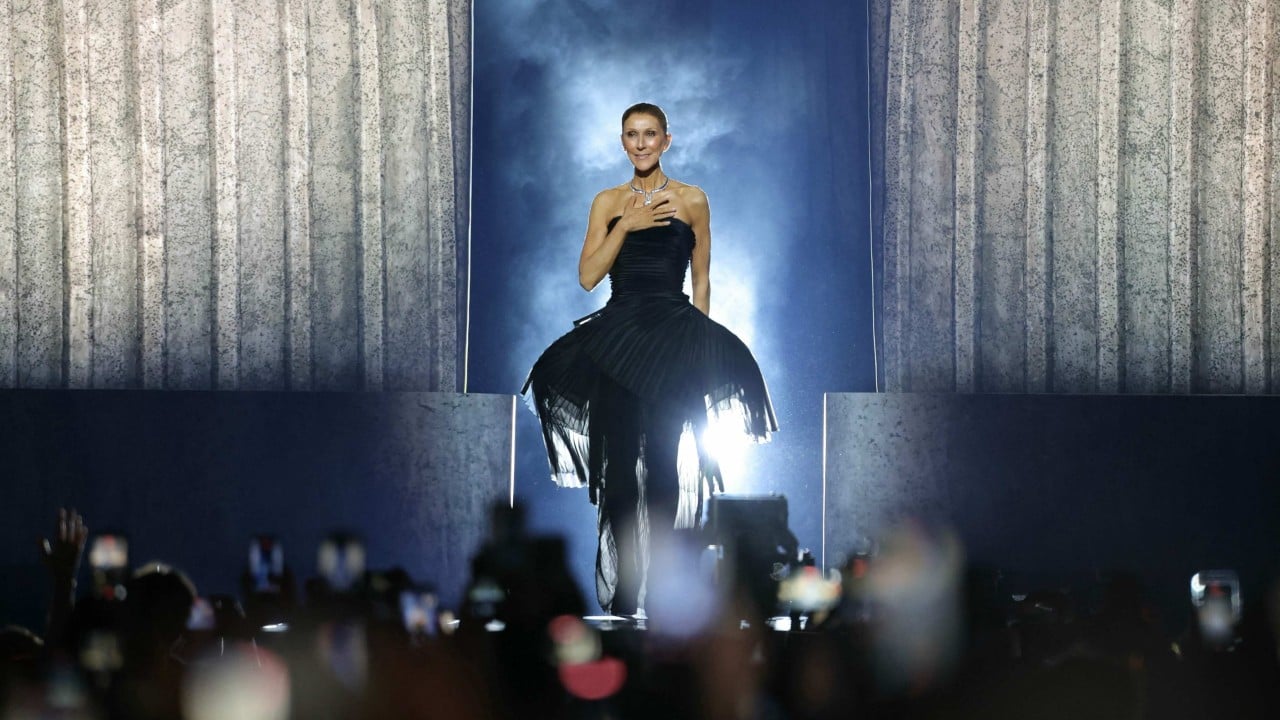
Most people retire into the comforting fog of privacy when the lights go out. They retreat. They nurse their wounds behind closed iron gates. But Celine chose a different path. She chose Paris. She chose the global stage of the 2024 Olympic opening ceremonies, standing high above the French capital in a dress dripping with crystals, exposed to the elements, the wind, and the relentless scrutiny of billions.
The rain fell. The notes swelled.
When she began to sing Édith Piaf’s Hymne à l'amour, the performance transcended mere spectacle. It became an act of defiance. Every breath required a conscious negotiation with a nervous system that had forgotten how to cooperate. Her hand gripped the golden microphone not out of habit, but out of survival. In that single, breathtaking moment, she was no longer just a pop icon delivering a nostalgic hit. She was every person who has ever had to rebuild their life from the shattered shards of an unexpected diagnosis.
The medical reality of stiff-person syndrome is unforgiving. It is a rare, progressive neurological disorder characterized by muscle stiffness and painful spasms triggered by noise, emotional distress, and light. For a performer whose entire career was built on explosive vocal dynamics and physical stamina, it was a devastating diagnosis. Treatment involved grueling physical therapy, vocal re-education, and an immense psychological toll. There were days, as she later admitted in candid interviews, when walking felt like a monumental victory, let alone singing.
Yet, grit has a sound.
When she hit the soaring climax of the Piaf anthem, the vocal cracks that some critics cynically anticipated never arrived. Instead, there was a raw, textured resonance—hard-won and deeply human. It wasn’t the pristine, studio-polished perfection of her Las Vegas residency days. It was better. It was forged in the fire of real vulnerability. It reminded us that true art is rarely born of ease; it is born of the desperate, beautiful refusal to surrender.
Paris knows something about resilience. The city itself has risen from ashes and revolutions, carrying its scars like medals. As Celine's voice echoed across the Pont d'Iéna, the synergy between the singer and the city was palpable. The French capital became more than a backdrop; it was a co-conspirator in her resurrection.
Look closely at the footage of that night. Watch the subtle tremor in her posture, the immense focus in her eyes, the sheer physical effort of every single consonant. She wasn't just performing for the International Olympic Committee or the millions tuning in from cozy living rooms across continents. She was performing for herself. She was reclaiming her identity from a disease that tried to evict her from her own skin.
We live in an era obsessed with overnight comebacks and sanitized digital perfection. We crave easy narratives where heroes bounce back in a matter of weeks, neatly packaged for our consumption. But real healing is messy, slow, and terrifying. It involves quiet tears in sterile medical offices, months of agonizing physical therapy, and the gut-wrenching fear that the best parts of you might be permanently locked away.
Celine Dion’s return tore down that illusion of effortless perfection. By showing up broken and yet refusing to break, she gave permission to anyone carrying an invisible burden to keep fighting. The applause that rolled through Paris that night wasn't just for a legendary singer reclaiming her throne. It was a standing ovation for the human spirit, proving that when the lights go out and the world falls silent, the voice that rises from the dark is the one that changes everything.