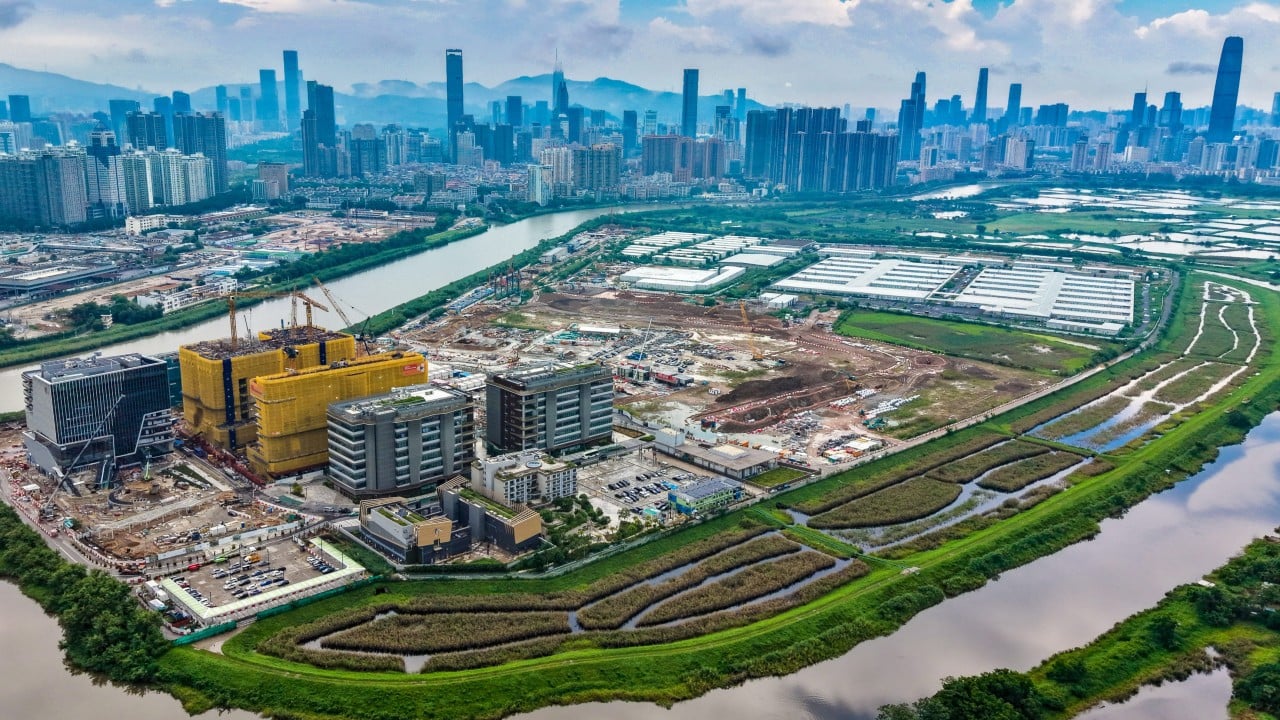
Nine bids landed when the second land tender closed for Hong Kong's border tech hub on October 20, 2026. That might sound modest if you compare it to a residential land auction in Kowloon or a flashy Manhattan tower deal. Honestly, though, context changes everything here.
The Hong Kong-Shenzhen Innovation and Technology Park—operated by the Loop Hong Kong Park Company right along the Lok Ma Chau border—isn't selling luxury condos. It's asking private players to design, build, finance, and manage specialized innovation and technology space for lab and office use, with one parcel carrying an optional talent housing component. Getting nine bids across three sets of land parcels in the second round signals real market appetite in a property market that's spent years digesting high interest rates, shifting office demand, and slower growth.
I've watched plenty of ambitious "innovation zones" across Asia struggle to move past press releases and dirt piles. When a tender actually draws frontier tech companies, park operators, and big conglomerates together, you pay attention—not because nine bids guarantees instant success, but because it tells you who's willing to put real capital behind the Northern Metropolis push.
What the Second Land Tender Actually Put on the Table
Let's strip away the hype and look at the mechanics. The second batch covered three sets of land parcels in Phase 1 of Loop Hong Kong Park, closing at noon on October 20, 2026. Winning bidders take on design, construction, financing, and management responsibilities rather than simply flipping bare land for quick speculative profit.
That structure matters. A developer who only knows how to build cookie-cutter glass office towers in Central has a very different risk profile here. Lab and tech-park assets come with technical specifications, tenant curation demands, and longer payback horizons.
According to Loop Hong Kong Park Company, the nine submissions came from a mix of three distinct groups:
- Frontier technology firms that actually understand hardware, R&D workflows, or specialized industrial needs.
- Operators with existing park management experience who know how to keep labs, workspaces, and tenants humming day to day.
- Major conglomerates with deep balance sheets and multi-sector reach across Hong Kong and the wider Greater Bay Area.
One detail in the second tender stands out: one of the innovation and technology parcels allows an optional talent housing plot alongside lab or office space. Anyone who has tried to recruit engineers or researchers to a newly forming district knows that housing near work isn't a nice-to-have. It's the difference between a lively campus and a ghost town after 6 p.m.
The park operator plans to evaluate bids under established criteria and announce results for both this second round and the earlier inaugural tender before the end of the year. That means the real test of pricing, consortia structures, and strategic fit is playing out right now behind closed doors.
Why Nine Bids Beats a Flashy Headline Number
When people see "9 bids" across three parcel sets, they sometimes ask why the number isn't higher. Fair question. In a hot speculative market, you might see dozens of cookie-cutter bids from pure property players chasing short-term land appreciation.
Here, the tender design naturally filters out tire-kickers. Requiring bidders to finance, build, and manage specialized I&T facilities—and tie execution to the park's broader ecosystem—narrows the field to organizations that can handle both capital intensity and operational complexity.
Look at the broader property backdrop in 2026, too. Investment bank UBS has pointed to headwinds facing Hong Kong's property market—including AI's impact on office demand, slower population growth, regional integration, and new housing supply—suggesting residential prices could stay relatively flat. Meanwhile, Hong Kong's development chief has emphasized to lawmakers that incoming Northern Metropolis supply is aimed primarily at the I&T sector rather than flooding the traditional commercial office market.
That distinction is huge. Traditional Grade-A office space in core business districts has faced structural pressure as companies rethink floorplates and remote or hybrid habits settle in. Specialized wet/dry labs, R&D facilities, and integrated innovation campuses serve a different demand engine tied to industrial policy, cross-border collaboration, and commercialization.
Still, don't get carried away. Bids are offers, not ribbon-cuttings. Until awards are announced and construction milestones hit, nine bids is a strong vote of confidence—not a finish line.
How the Loop Fits Into the Bigger Northern Metropolis Picture
You can't read this tender in isolation. The Loop sits right next to Shenzhen and forms a core piece of Hong Kong's broader Northern Metropolis strategy—a massive multi-decade push shifting economic gravity northward to pair traditional finance with innovation and technology.
A few pieces have been moving around it:
- Commissioning of Loop Academy One: The second tender's rollout aligns with the commissioning of Loop Academy One, aimed at strengthening the full chain from academic research to industry application.
- San Tin Technopole momentum: Right next door as a natural extension of the Loop, the San Tin Technopole is planned to add substantial I&T land for prototyping, pilot production, and small-scale manufacturing, with government plans for a dedicated company and initial capital backing.
- Legislative and infrastructure groundwork: Lawmakers have been advancing Northern Metropolis legislation and rail/engineering works, while officials and experts also debate costs, timelines, pond-filling logistics, and real-world bottlenecks like specialist talent and industrial investment.
Let's be candid about those bottlenecks. Having land and sleek buildings is one thing. Turning a border zone into a thriving deep-tech and biotech commercialization hub takes years of patient execution. Experts have pointed out that ambitions in areas like biomedicine face hurdles beyond lab space or grants—things like specialized talent pipelines, manufacturing depth, and commercial scale-up capital.
There's also a practical geography factor. Moving activity north toward the border makes total sense on a regional map alongside Shenzhen's manufacturing and tech ecosystem. In practice, getting top researchers, founders, and service providers to commit to a new area depends on transit convenience, housing quality, cross-border friction, and everyday livability.
What Smart Tech Firms and Investors Should Watch Next
If you run a tech company, manage corporate real estate, or invest across the Greater Bay Area, this tender gives you a clear signal to track rather than a reason to rush blindly.
First, watch who wins before year-end. When Loop Hong Kong Park Company releases the results for both the inaugural and second tenders, pay attention to the pairings. Consortia that combine deep tech or operational know-how with strong financial backing usually execute better than lone-wolf bidders trying to learn an unfamiliar asset class on the fly.
Second, match your footprint to your actual stage. Not every startup or company needs to buy or co-develop a land parcel. Early-stage teams often do better using incubation programs, shared lab space, or leased facilities first—especially when cross-border data rules, supply chains, or customer validation are still evolving. Larger firms with hardware, R&D, or regional headquarters needs have a clearer case for longer-term commitments.
Third, check housing and talent math early. That optional talent housing feature in the second tender isn't an accident. If you're planning to base engineers or researchers near the border, factor commute times, housing availability, and team retention into your operating budget from day one.
Nine bids won't transform a border zone overnight. Yet in a cautious property climate, seeing tech firms, park operators, and major conglomerates step up for build-and-manage innovation parcels shows the Northern Metropolis tech thesis is moving from theory into real market testing.
Practical Next Steps
- Track the year-end tender awards from Loop Hong Kong Park Company to see which consortia win the first and second batches and how they structure lab, office, and talent housing space.
- Audit your space and cross-border needs before committing capital—compare flexible incubation or leased R&D space against longer-term build-to-suit or campus options along the Northern Metropolis corridor.
- Talk directly with park operators and ecosystem partners about upcoming phase releases, tenant requirements, and talent accommodation plans rather than relying solely on headline land news.


