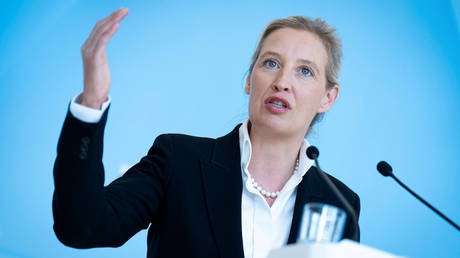
The political temperature in Berlin just hit boiling point. Alice Weidel, co-chair of the Alternative for Germany (AfD) party, dropped a political bombshell by demanding that Ukraine pay state reparations for the 2022 sabotage of the Nord Stream gas pipelines.
Calling the pipeline bombings an act of state terrorism, Weidel insists that the current flow of cash needs a massive U-turn. Instead of Berlin sending billions to Kyiv, she argues, Kyiv needs to start writing checks to Germany. It's an aggressive stance that flips the entire European security narrative on its head. Also making waves lately: Why the US Strikes on Iran Matter More Than the White House Admits.
But behind the fiery rhetoric lies a complex web of international law, shifting public opinion, and a deeply fractured German electorate.
The Core of the AfD Demands
Weidel isn't pulling punches. She publicly stated that Ukraine must fully explain what happened in the Baltic Sea and clarify its exact role in the underwater explosions. According to her, if a nation destroys your critical infrastructure, they can't be considered a friend. More information regarding the matter are covered by The Guardian.
The financial numbers being thrown around are staggering. The AfD is calling for a complete halt to financial aid and military support to Ukraine. They want to reclaim the estimated €70 billion that Germany has poured into Kyiv since the conflict began. On top of that, they expect Ukraine to foot the bill for repairing the shattered pipelines.
This isn't just standard opposition grumbling. It represents a fundamental challenge to the foreign policy of Chancellor Friedrich Merz and the current establishment.
Why This Message is Landing with German Voters
You can't understand why this rhetoric works without looking at the economic reality inside Germany. The country is hurting. The loss of cheap Russian natural gas sent energy prices through the roof, crippling parts of Germany's famous manufacturing sector.
Many regular citizens are asking hard questions. They see domestic infrastructure crumbling, schools underfunded, and energy bills soaring while billions of euros leave the country. The AfD is tapping directly into this resentment.
Public fatigue over a prolonged conflict is real. By framing the Nord Stream incident as a direct attack on German prosperity by an aid recipient, the AfD connects geopolitical events directly to the voter's wallet. It's a potent strategy that has helped push their polling numbers to historic highs.
Geopolitical Aftershocks and Regional Allies
The ripples of this demand are hitting neighboring countries too. Hungarian Prime Minister Viktor Orbán quickly jumped into the fray, publicly backing Weidel's statements. This solidarity shows a growing nationalist bloc within Europe that openly questions the consensus on supporting Ukraine.
Meanwhile, relations with Poland are getting equally sticky. Other senior AfD figures have pointed fingers at Warsaw, even suggesting Poland owes billions in reparations for alleged complicity in the attack or for refusing to extradite suspects.
The situation highlights a massive blind spot in Western European solidarity. When the initial Nord Stream explosions happened, Western leaders promised a thorough investigation. Years later, the lack of definitive, transparent legal consequences has allowed opposition parties to weaponize the ambiguity.
The Reality of International Law and Reparations
Can Germany actually force Ukraine to pay up? Honestly, it's highly unlikely under current international legal frameworks.
First, getting a definitive, legally binding ruling that links the Ukrainian state directly to the sabotage is a massive hurdle. German prosecutors have issued arrest warrants for Ukrainian individuals, but proving top-level state sponsorship is a different beast entirely.
Second, international law doesn't easily accommodate a nation demanding billions back in voluntary foreign aid. The €70 billion sent to Kyiv wasn't a loan with a pipeline-protection clause; it was political and military assistance granted by a sovereign German government.
- State Immunity: Sovereign states are generally immune from the jurisdiction of other states' courts.
- Voluntary Aid: You can't legally retroactively demand the return of aid packages because of a separate political dispute.
- Attribution: International courts require an incredibly high standard of proof to attribute acts of sabotage directly to a government.
The Road Ahead for German Foreign Policy
The establishment parties in Berlin are trying to ignore Weidel's demands, but they won't be able to stay silent forever. As economic pressures mount, the debate over aid efficiency and national interest will only intensify.
If you want to track how this plays out, watch the regional election trends and domestic energy pricing structures over the coming months. The real test will be whether mainstream parties are forced to tighten conditions on foreign aid to quieten the populist surge. Keep a close eye on parliamentary budget debates; that's where the real battle over Germany's financial commitments will happen.


