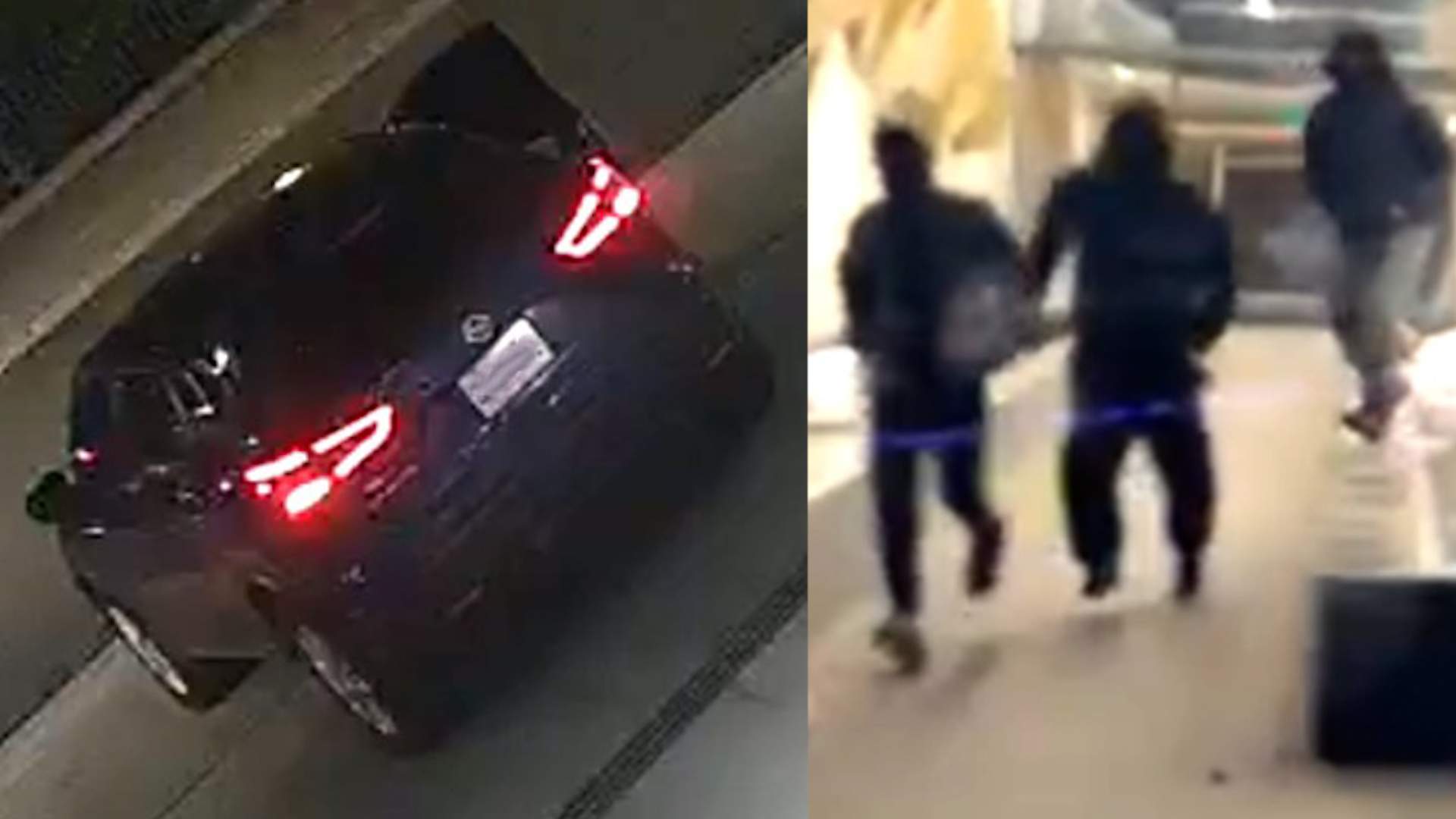
A smash-and-grab heist hits a Toronto boutique. Four masked suspects flee into the night with $1 million in glittering inventory. The police release security footage. The media sounds the alarm on rising retail crime. The public gasps at the seven-figure headline.
This is the standard script. It is also entirely the wrong story.
When a high-end jewelry heist happens, mainstream reporting focuses on the drama of the theft and the hunt for the perpetrators. We treat these incidents as existential threats to the luxury sector. But as someone who has spent two decades analyzing retail supply chains, asset protection, and the opaque economics of the luxury trade, I know the dirty secret the industry hides behind reinforced glass: a $1 million heist is a rounding error.
The real crisis in the jewelry business isn't masked bandits. It is a broken, archaic business model that relies on inflated valuations, severe inventory inefficiency, and an existential vulnerability that tech-driven commerce solved ten years ago.
The Myth of the Million Dollar Loss
Let’s dismantle the biggest lie of the headline immediately: nobody actually lost $1 million.
In standard retail, margins are tight. In high-end jewelry, the markup from manufacturing cost to retail price tag routinely ranges from 100% to over 300%. When a boutique reports a $1 million theft, they are broadcasting the retail value—the sticker price meant for affluent consumers.
The actual cost of goods sold (COGS) sitting in that display case is a fraction of that amount. The precious metals and gemstones retain intrinsic wholesale value, but the design and brand premium vanish the moment the items are melted down or broken apart for the black market. For the retailer, insurance payouts based on wholesale replacement costs or specific policy structures mitigate the direct financial hit.
The industry does not panic over the theft of physical inventory because inventory is inherently replaceable. The panic stems from a terrifying realization that the traditional brick-and-mortar luxury experience is an operational liability.
The High Cost of the Illusion of Luxury
Why do jewelry stores keep millions of dollars of highly concentrated, easily transportable wealth in pedestrian-accessible storefronts? Because the industry remains trapped in the psychology of "tactile luxury."
Traditional operators believe affluent buyers will only purchase gems they can feel, hold, and try on under halogen lighting. This belief forces boutiques to turn their physical locations into high-risk vaults.
Consider the staggering overhead required to maintain this illusion:
- Class 3 rated safes and vaults.
- Armed private security details.
- Bullet-resistant glazing on every showcase.
- Extremely high insurance premiums that scale with on-site inventory volume.
When you analyze the balance sheet, the capital allocated to protecting physical inventory on the showroom floor eating into net margins is far more damaging than the occasional robbery. The industry is spending millions annually to defend a distribution model that is fundamentally flawed.
Why the Security State is a Failed Strategy
Whenever a high-profile robbery occurs, the immediate reaction from security consultants is to recommend more barriers. More cameras. Better facial recognition. Fog cannons. Interlocking security doors.
This is a reactive trap. Turning a luxury boutique into a high-security prison outpost actively destroys the customer experience. Wealthy consumers do not want to shop in an environment that radiates paranoia. The moment a store feels dangerous or overly fortified, the psychological comfort required to make a discretionary luxury purchase evaporates.
Furthermore, physical security measures create a false sense of safety while ignoring the evolution of criminal tactics. Sophisticated syndicates do not care about your cameras; they wear masks and rely on speed, executing takeovers in under 60 seconds. They leverage the one variable a retailer cannot control: human behavior under duress.
The solution is not to build a bigger cage for the inventory. The solution is to remove the inventory from the cage entirely.
The Decentralized Luxury Vault: A Better Blueprint
Imagine a retail model where a smash-and-grab is physically impossible because there is nothing of value to steal.
The tech sector perfected this decades ago with decentralized data; the luxury sector must do the same with physical assets. The future of high-value jewelry retail relies on a hybrid model that separates the sales experience from the inventory storage.
[Showroom: High-Fidelity Replicas & AR]
              │
              ▼
[Transaction Secured Digitally]
              │
              ▼
[Insured Vault: Automated Vault Facility]
              │
              ▼
[Direct-to-Consumer Secured Armored Delivery]
Under this framework, storefronts carry zero live inventory. Instead, they utilize high-fidelity, weighted replicas made of non-precious materials alongside augmented reality (AR) visualization tools. Customers experience the design, weight, and scale of the piece perfectly.
Once a purchase is finalized, the actual piece is dispatched directly from a centralized, subterranean, highly secure vault facility via armored logistics providers like Brink's or Malca-Amit straight to the customer's home or private bank.
The benefits of this shift are absolute:
- Zero Target Value: Criminals will not risk federal prison sentences to rob a store filled with cubic zirconia and brass mock-ups.
- Radical Cost Reduction: Insurance premiums plummet. Security infrastructure costs disappear. Storefront real estate can scale down significantly, moving from high-rent street-front locations to discreet, upper-level private salons.
- Capital Efficiency: Instead of duplicating expensive inventory across twenty different global boutiques, a brand can hold a single centralized stock, drastically increasing inventory turnover and freeing up working capital.
The downside? It requires abandoning the traditionalist ego. It requires admitting that the old way of selling jewelry is dead.
Dismantling the Status Quo Questions
When analyzing these security failures, industry insiders often ask the wrong questions. Let's fix the premise of the debate.
Should cities create specialized police task forces for luxury retail zones?
No. Expecting taxpayers to fund specialized protection details for private, high-margin luxury businesses that refuse to modernize their risk management is absurd. It is a private operational problem, not a public policing obligation. Brands must secure their own supply chains by reducing their physical footprint, not by demanding public resource allocation.
Will customers accept buying jewelry they cannot take home immediately?
Yes. The modern ultra-high-net-worth individual is already conditioned to wait. They wait months for a custom Hermès Birkin. They wait years for a Rolex Daytona or a Patek Philippe Nautilus. High-end watchmaking and haute couture have already trained the consumer to understand that scarcity and delayed gratification are part of the luxury allure. Immediate possession is a mass-market expectation; true luxury is worth the logistics delay.
The Death of the Traditional Jeweler
The Toronto heist is not a isolated crime story. It is a diagnostic warning for a stagnant industry.
The retailers who survive the next decade will not be the ones who buy thicker glass or hire heavier security. It will be the innovators who realize that displaying millions of dollars in loose portable wealth on a public street corner is an obsolete twentieth-century habit.
Strip the value from the showroom. Decentralize the asset distribution. Stop protecting the glass, and start redesigning the business. Until the industry evolves beyond the showcase, it remains an accomplice in its own victimization.