The lazy consensus floating around geopolitical commentary right now reads like a bad thriller script. The narrative goes that if Washington so much as drops its maritime posture, Tehran will casually reopen the Strait of Hormuz inside seven days, oil prices will plunge, and global commerce will snap back to normal like a cheap rubber band. It is a neat, comforting story. It is also entirely detached from the grim economic and political realities governing the Persian Gulf.
Anyone buying this narrative is confusing a choke point for a valve.
Let us look at the actual mechanics of what happens when a modern state weaponizes a maritime corridor and then attempts to un-weaponize it on a whim. I have spent years tracking energy logistics and state-backed supply disruptions, and every time analysts predict a swift, orderly normalization after a blockade, they ignore the structural damage inflicted during the closure. Opening a waterway isn't as simple as turning a brass handle. It requires clearing insurance anomalies, restoring physical trust among shipping syndicates, and convincing tanker captains that an unexploded ordnance isn't waiting beneath the surface of the traffic separation scheme.
The core misconception is that the Strait of Hormuz is primarily an American problem. It is not. It is an economic lifeline that Iran relies upon just as desperately as its neighbors, yet the regime has backed itself into a corner where keeping the threat alive matters more to its survival than letting crude flow freely.
The Myth of the Quick Switch
When headlines suggest a week-long turnaround time for the strait, they treat maritime trade like highway traffic. Lift the barrier, wave the green flag, and watch the supertankers roll through.
That is not how global maritime logistics operates.
Insurance underwriters do not reset their risk matrices because a politician signs a memo in Geneva or Washington. The moment a blockade or persistent military friction threatens the Persian Gulf, war risk premiums spike from negligible fractions to prohibitive percentages of a vessel's hull value. These rates do not plummet overnight simply because a threat pauses. Underwriters demand sustained proof of safety over months, not days.
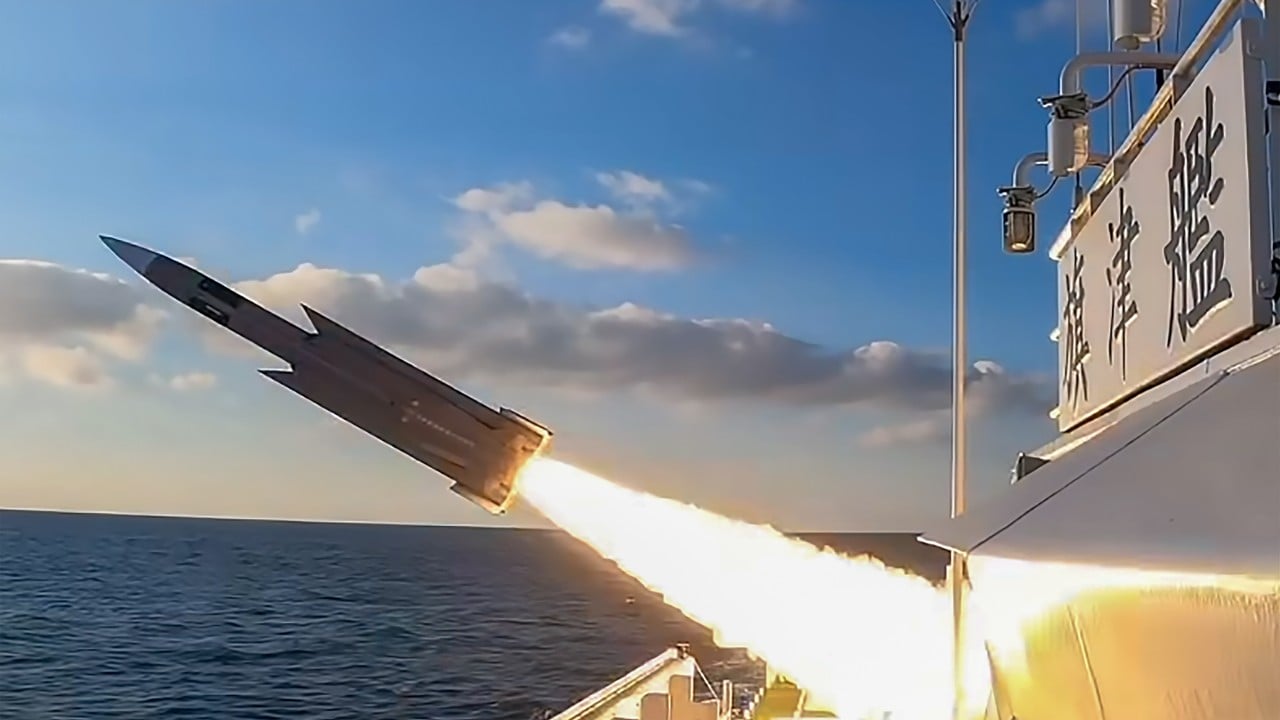
Furthermore, the physical geography of the strait concentrates traffic into narrow, designated shipping lanes shared with Omani waters. If mines have been laid, or even if the credible threat of asymmetric speedboat swarms and anti-ship missile batteries remains unaddressed by reliable, long-term security guarantees, no sane shipowner is sending a billion-dollar cargo through that narrow gap within a week.
To assume Tehran can flick a switch and restore pre-crisis throughput is to misunderstand the psychological and financial trauma inflicted on the global shipping market. Confidence evaporates in seconds; it returns at a glacial pace.
Why Iran Cannot Afford Normalization
Here is the counter-intuitive reality that the mainstream pundits miss: Iran benefits from the tension of the strait far more than it would from a sudden, peaceful reopening.
Decades of heavy sanctions have forced Tehran into a parallel economy. A significant portion of Iran's black-market petroleum exports—primarily to buyers in Asia willing to flout Western restrictions—relies on opaque ship-to-ship transfers, darkened transponders, and high-risk logistical networks operating in the shadows of Gulf waters. When the strait is a zone of high tension, maritime tracking is chaotic, enforcement is stretched thin, and illicit exports blend into the noise of regional instability.
If the strait miraculously opens tomorrow under an arrangement brokered or heavily influenced by Western security architectures, two things happen immediately. First, transparency returns to the Persian Gulf. Second, the state loses its primary geopolitical leverage point.
For the regime in Tehran, the credible threat of closing the strait is a deterrent weapon. Once you actually deploy it, yield, and then pack it away, you spend your capital. More importantly, returning to standard, highly regulated international oil markets exposes the regime's domestic structural failures without the protective smoke of a perpetual security crisis. A government facing internal economic strain often finds utility in externalized friction because it justifies security crackdowns and diverts public anger outward. Expecting them to voluntarily surrender their premier strategic card for the sake of global energy relief is an exercise in wishful thinking.
The Real Bottleneck Is Ashore
Focusing entirely on naval blockades misses the rot inside the domestic energy infrastructure. Even if every foreign warship cleared out of the region tomorrow, Iran’s domestic oil and gas sector is hobbled by chronic underinvestment, decaying extraction technology, and severe domestic consumption pressures.
Decades of technological isolation mean that Iranian oilfields require massive capital injections and foreign engineering expertise to maintain baseline production, let alone ramp up volumes to influence global supply curves meaningfully. Much of the gas extracted is consumed domestically to subsidize inefficient power grids and heavy industrial subsidies, leaving a shrinking margin available for lucrative export.
Therefore, even if the waterway were completely clear of military hurdles, the physical volume waiting on the other side to flood the market is vastly overstated by analysts who look only at historical nameplate capacities rather than current operational realities.
Dismantling the Crisis Playbook
If you want to understand how this standoff actually resolves, stop listening to diplomats talking about rapid de-escalation timelines. Look instead at the quiet, unglamorous shifts in regional diplomacy, alternative pipeline developments bypassing the Persian Gulf entirely, and the long-term decoupling of Asian economies from Middle Eastern crude dependencies.
The Strait of Hormuz will not reopen because someone asks nicely or lifts a procedural blockade. It will only normalize when the cost of maintaining the threat outweighs the internal utility of the conflict for all regional stakeholders involved—a threshold we are nowhere near crossing.
Stop waiting for the week-long turnaround. It isn't coming, because the actors driving the crisis have built their entire survival strategy around keeping the gate half-shut.