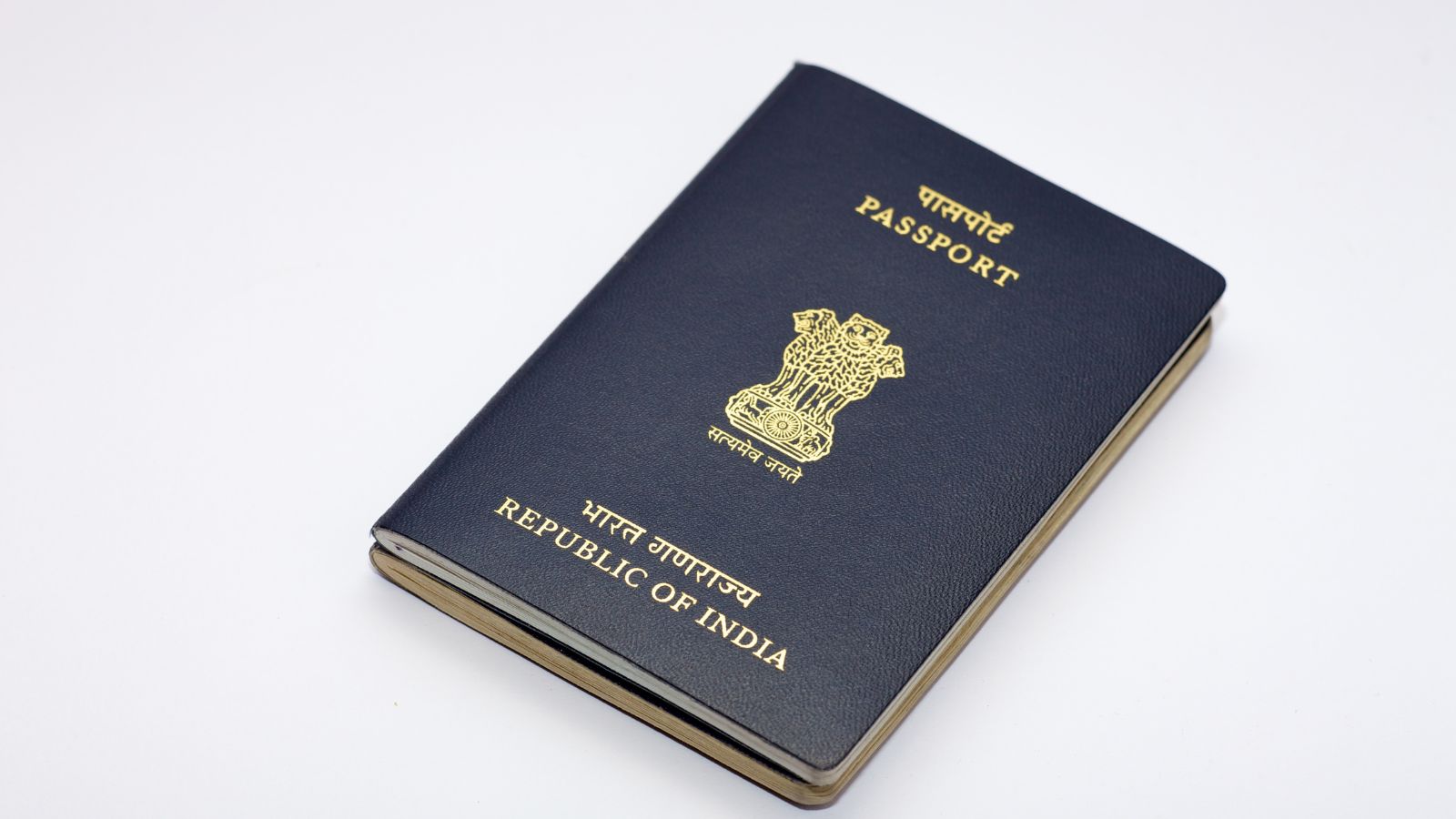
Expats are predictably furious that the Indian government just raised passport service fees in the UAE. The mainstream media is treating this like a minor cost-of-living crisis for non-resident Indians. They are printing tables of the new fees, calculating the exact dirham increases, and giving voice to the usual chorus of online grumbling.
They are entirely missing the point.
The outrage is focused on a price hike of a few dozen dirhams. That is pocket change. The real issue—the structural failure nobody wants to talk about—is that you are being forced to pay premium prices for an administrative monopoly that treats your time like garbage. The problem is not that the passport got more expensive. The problem is that the entire outsourced consular ecosystem is designed to extract wealth while delivering a substandard bureaucratic product.
If you are complaining about a 30-dirham increase on a document that lasts ten years, you are asking the wrong questions. You should be asking why an outsourced, privatized application center is allowed to stack mandatory "convenience fees" on top of sovereign government charges while making you sit in a crowded waiting room for three hours.
The Lazy Consensus: "Governments Are Just Greedy"
The standard narrative surrounding the July 1 fee revision is lazy. Critics claim the Ministry of External Affairs is simply squeezing expats because they know a diaspora workforce has no choice but to pay. It is an easy, cynical take that requires zero critical thinking.
Let us look at the actual mechanics of what is happening. Sovereign states adjust consular fees periodically to match inflation, currency fluctuations, and operational overhead. That is standard diplomatic practice worldwide. When the Indian government adjusts its baseline passport fees, it is adjusting a sovereign tax on citizenship.
The actual breakdown of the cost adjustment reveals that the baseline government fee is not what is bleeding you dry. The real financial friction comes from the outsourced infrastructure. In the UAE, BLS International handles the front-end processing. When you look closely at the fee schedule, the price inflation happens at the margins—the courier fees, the SMS notification charges, the mandatory typing forms, and the premium lounge upsells.
By fixating on the headline government fee, the public ignores the corporate middleman extracting massive margins from a captive audience.
Why Cheap Passports Are a Policy Failure
Let us run a thought experiment. Imagine a scenario where the Indian government slashes passport fees to zero. Absolute parity. Free booklets for every citizen abroad.
What happens next? Demand skyrockets. The already strained appointment booking systems clog completely. The outsourced centers, stripped of processing margins, cut staff and reduce physical locations. Wait times stretch from weeks to months. The black market for appointment slots—which already plagues various diplomatic missions globally—explodes.
A cheap passport is a terrible passport. Low fees ensure that the administrative apparatus remains underfunded, technologically backward, and perpetually slow.
The issue is not the price tag; it is the absence of a value proposition. If a premium fee guaranteed a premium, digital-first experience where an applicant spent less than ten minutes inside a center, the diaspora would pay it without a second thought. Instead, the current framework demands higher fees to fund the same analog, paper-heavy, bureaucratic theater that has existed for decades.
Dismantling the Consular Outsourcing Myth
Decades ago, governments realized they were terrible at customer service. Their solution was to outsource the administrative heavy lifting to private enterprises. The promise was simple: private sector efficiency applied to public sector duties.
It failed.
I have watched public infrastructure projects across various sectors attempt this hybrid model, and it almost always devolves into a worst-of-both-worlds scenario. The private vendor receives an exclusive, state-sanctioned monopoly. They face zero market competition. If you do not like the service at a BLS or VFS center, you cannot go to a competitor across the street. You must use them, or you forfeit your legal status.
When a private company has a guaranteed stream of millions of customers who are legally required to use their product, the incentive to innovate vanishes. Efficiency drops. The business model shifts from optimizing operational speed to maximizing revenue per capita through administrative add-ons.
- The SMS Notification Trap: Charging fees for automated text updates that cost a fraction of a fil to send.
- The Premium Lounge Illusion: Paying hundreds of dirhams extra not for faster passport processing, but simply for a couch and a complimentary beverage while you wait for the same backend approval.
- The Courier Mandate: Restricting in-person collection under the guise of security to force a high-margin delivery fee onto the applicant.
This is not a conspiracy; it is basic corporate logic operating in a zero-competition environment. The fee hike is just the tip of an iceberg built on mandated inefficiency.
The Metrics That Actually Matter
If we want to evaluate whether a passport service is worth its cost, we need to discard the fee schedules and look at the structural friction.
| Metric | The Current Reality | The Modern Benchmark |
|---|---|---|
| Physical Presence | Mandatory biometrics and document verification for routine renewals. | Biometrics via secure smartphone apps using NFC chip readers. |
| Data Redundancy | Re-entering basic demographic data that the state already holds in DigiLocker or Aadhaar systems. | Single-sign-on verification with instant pre-population of forms. |
| Processing Velocity | Weeks of transit between outsourced centers and consular printing facilities. | Localized decentralized printing or immediate digital escrow. |
The Indian government has proved it can build world-class digital public infrastructure. Look at UPI. Look at India Stack. The technology to revolutionize consular services exists right now. The barrier is not capability; it is the entrenched financial interests of the outsourced ecosystem that relies on physical footprints and manual paper handling to justify its existence.
Stop Complaining About the Fee Hike. Do This Instead.
If you want to survive the consular meat grinder without losing your sanity or your money, you need to change how you interact with the system. Stop expecting the system to be helpful, and treat it like a hostile bureaucratic audit.
1. Opt Out of Every Optional Upsell
The baseline fee is non-negotiable, but the corporate fluff is. Reject the typing service; fill out the online portal yourself, even if the interface feels like it was designed in 2004. Say no to the SMS updates. Track the application status manually on the website once a day. Bring your own photocopies and compliant passport photos taken at a local studio for a quarter of the price charged inside the center.
2. Never Use the Premium Lounge
The premium lounge is a psychological tax on the impatient. It does not fast-track your application with the Ministry of External Affairs. The consular officers reviewing your documents do not know, or care, if you bought a premium lounge ticket. You are paying a massive premium to sit in a slightly nicer chair. Skip it, bring a book, and accept the wait as the price of a monopolized service.
3. Audit Your Documents Like a Lawyer
The most common cause of multi-visit delays is missing documentation or slight discrepancies in names, addresses, or signatures. Every extra trip to an application center represents lost wages, parking fees, and travel costs that far outweigh the official fee hike. Match every letter on your current passport, visa page, and Emirates ID perfectly before booking an appointment. Give them zero excuses to turn you away.
The fee increase is an irrelevant distraction. The real cost of renewing your passport is the hours of productivity you lose navigating a system designed to sustain an outsourced middleman. Stop fighting the price adjustment and start minimizing the structural tax on your time.
Pay the fee. Bypass the gimmicks. Get your document. Get out.