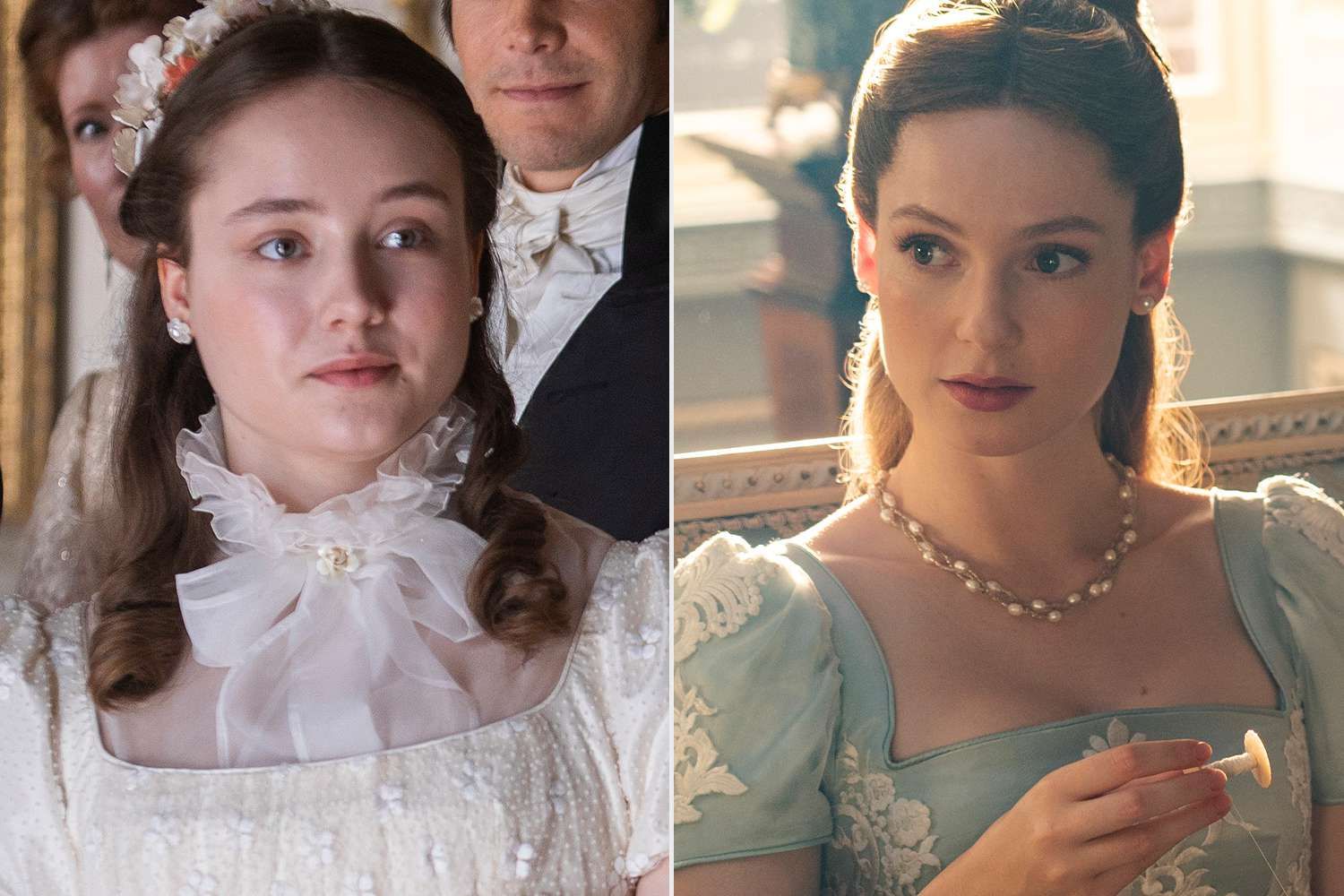
Owen Cooper just shook up the Royal Television Society Programme Awards. Taking home both the Breakthrough Award and Best Male Actor for his role in Adolescence, Cooper didn't just win trophies. He validated a gritty, uncomfortable style of storytelling that usually gets sidelined for safer, polished dramas. If you've seen the show, you know it isn't easy to watch. If you haven't, you're missing the performance that just redefined what a "young lead" looks like in 2026.
The RTS Awards usually lean toward established giants. This year felt different. When Cooper’s name was called twice, the room shifted. It wasn’t just about a newcomer getting lucky. It was about the industry acknowledging that the raw, semi-improvised energy he brought to the screen is exactly what audiences are craving right now.
Why Owen Cooper stands out in a crowded field
Most child or teen actors are trained to be "on." They hit their marks, they project, and they make sure the audience knows exactly what they’re feeling. Cooper does the opposite. In Adolescence, he plays Jamie with a terrifyingly realistic internal world. He’s quiet. He’s awkward. He’s frequently unlikable.
That’s the secret sauce.
The RTS judges specifically highlighted his ability to carry a heavy narrative without leaning on typical acting tropes. It’s a physical performance as much as a verbal one. You see the stress in his shoulders before he ever opens his mouth. This kind of nuanced work is why he beat out veterans who have been in the game for decades. It’s rare to see a young performer who understands that sometimes, saying nothing is the most powerful thing you can do on camera.
The creative powerhouse behind the win
You can’t talk about Cooper’s success without talking about Stephen Graham and Philip Barantini. They’re the duo behind Matriarch Productions, and they’ve perfected a "one-shot" or long-take style that forces actors to actually live in a scene rather than just reciting lines between cuts.
Adolescence used this technique to trap the viewer in the room with Cooper. There's no place to hide. If a scene lasts ten minutes without a cut, the actor can't "fake" the emotion. They have to sustain it. Cooper didn't just survive that process; he thrived in it.
Breaking the mold of the crime drama
Most British crime procedurals follow a tired blueprint. You have the grizzled detective, the grizzly discovery, and the slow unraveling of a mystery. Adolescence flipped the script by focusing almost entirely on the psychological collapse of a family and the boy at the center of a legal nightmare.
- It ignores the "whodunnit" tropes.
- It focuses on the "why" and the "what now."
- It uses a real-time feel to ramp up anxiety.
By winning the Breakthrough Award, Cooper has essentially become the face of this new wave. It’s a style that demands more from the viewer. It doesn’t give you easy answers or a neat ending. It just gives you the truth, however ugly that might be.
What this means for the future of British TV
Cooper’s double win is a signal. The RTS is signaling that they’re tired of the "polished" look. We’re moving into an era where authenticity beats high production value every single day of the week.
I’ve watched enough TV to know when a performance is being manufactured in an editing suite. You can see the cuts, the music cues telling you how to feel, and the lighting doing the heavy lifting. With Cooper, none of that is there. He’s just a kid in a room, breaking your heart.
The industry is taking note. Expect to see more shows ditching the traditional pilot-to-series model in favor of these intense, limited-run experiments. Producers are finally realizing that you don't need a massive budget if you have a lead actor who can hold a close-up for five minutes without blinking.
The impact on Matriarch Productions
Stephen Graham has always been an actor’s actor. By moving into production, he’s creating a space for performers like Cooper to do work that wouldn't get greenlit at a major network five years ago. This win is as much for the production style as it is for the actor.
The RTS Awards showed that the "Boiling Point" method—intense, immersive, and grounded—is the new gold standard. Cooper is the first major graduate of this school of acting to sweep a ceremony like this, but he won't be the last.
Why you should care about the RTS Awards
The RTS isn't just a glitzy party. It’s often a better predictor of long-term career success than the BAFTAs. While the BAFTAs often go for the big names and international co-productions, the RTS tends to reward the actual craft of making television within the UK.
Winning two awards in one night puts Cooper in a very small, very elite group. It means he’s no longer "that kid from that show." He’s a heavyweight.
Moving toward a more honest screen
We spend so much time looking at filtered versions of reality. Our social feeds are curated, our movies are CGI-heavy, and even our "reality" TV is scripted. Cooper’s performance in Adolescence feels like an antidote to all of that.
If you want to understand where British drama is heading, look at the scenes where Cooper is just sitting in an interrogation room. Look at the way he uses silence. That’s the future. It’s less about the spectacle and more about the soul.
Stop waiting for the next big American streaming hit and go back to the roots of what makes UK television great. It's the character studies. It's the grit. It's actors like Owen Cooper who aren't afraid to look messy on screen.
Go watch Adolescence on Netflix if you haven't yet. Pay attention to the way the camera stays on Cooper's face. You'll see exactly why the RTS judges couldn't give those awards to anyone else. Then, keep an eye on whatever Matriarch Productions announces next. They're clearly the ones holding the map right now.