The mainstream foreign policy press loves a good diplomatic thriller. The current narrative coming out of Islamabad is a textbook example.
We are told that Pakistan's Prime Minister Shehbaz Sharif, fresh off a plane to Beijing, and Army Chief Field Marshal Asim Munir, holding urgent huddles in Tehran, are pulling off a masterstroke. The story goes that Islamabad, with the quiet backing of Chinese President Xi Jinping, is on the cusp of brokering a historic breakthrough to end the US-Iran war and reopen the blocked Strait of Hormuz. Donald Trump takes to social media declaring a memorandum of understanding is "largely negotiated," the Pakistani Foreign Office hypes up "meaningful progress," and the media laps it up.
It is a beautiful, cinematic illusion. It is also completely detached from the brutal realities of transactional geopolitics.
The lazy consensus treats Pakistan as a crucial, neutral bridge-builder and China as an eager guarantor of Middle Eastern peace. This fundamentally misunderstands the structural motives of every player involved. Pakistan isn't acting out of diplomatic strength; it is playing a desperate hand to avoid economic collapse. China isn't looking to underwrite an American peace deal; it is letting Islamabad take the fall for a process designed to fail.
The Myth of the Neutral Mediator
I have watched states burn through billions of dollars and immense diplomatic capital chasing the high of international mediation. It is the ultimate vanity project for struggling regimes.
Let's dismantle the premise of Pakistan's supposed neutrality. True mediation requires leverage over both parties or an unshakeable trust from both sides. Pakistan possesses neither.
- The Washington View: The US tolerates Pakistan's involvement because it needs an errand boy to pass messages to Tehran without legitimizing the Islamic Revolutionary Guard Corps (IRGC). Washington remembers exactly where Pakistan's military apparatus looks for financial bailouts.
- The Tehran View: Iran treats Islamabad with deep, historic skepticism. The Iranian leadership knows that Field Marshal Munir's defense establishment is structurally bound to the financial whims of Riyadh and the economic diktats of the IMF—both heavily influenced by Washington.
When Pakistan floats compromise plans, like putting the Strait of Hormuz under United Nations auspices, it isn't offering a brilliant diplomatic innovation. It is offering an unworkable fantasy. Iran considers the strait its ultimate sovereign leverage point. The IRGC will not hand over the keys to a critical global energy chokepoint to a UN committee just to make life easier for Shehbaz Sharif.
China Is Not Bailing Out the West
The second layer of this delusion is the idea that Beijing is about to use its heavy-handed influence to seal this US-Iran bargain. Sharif’s high-profile visit to China is being framed as the assembly of a diplomatic superpower axis.
This is a complete misreading of Beijing’s playbook.
China's Foreign Minister Wang Yi may say all the right things about supporting Pakistan playing a "greater role," but look at the actions, not the press releases. Beijing is intentionally keeping its own hands clean.
Why would China expend its hard-earned diplomatic capital to solve a crisis that is actively draining American resources and attention? A prolonged, managed crisis in the Middle East keeps US forces bogged down, taking the heat off the South China Sea and Taiwan. Furthermore, the conflict makes Iranian oil even more dependent on clandestine Chinese buyers at steep discounts.
China isn't backing a breakthrough. China is backing Pakistan’s attempt to find a breakthrough. If Pakistan succeeds against all odds, China claims the credit as the regional godfather. If Pakistan fails—and the negotiations collapse back into renewed airstrikes—Beijing loses absolutely nothing, while Islamabad takes the reputational hit. It is a cynical, brilliant strategy.
The Real Drivers: Minerals, Debt, and Survival
To understand what is actually happening, you have to look beneath the high-minded rhetoric of West Asian peace and look at the domestic panic inside Pakistan.
Sharif and Munir are facing intense, suffocating domestic pressure. The country is dealing with a brutal balance-of-payments crisis, structural inflation, and escalating internal friction over foreign access to its untapped mineral wealth. The state is trapped in a pincer movement between competing American and Chinese demands over infrastructure investments and mining concessions.
The frantic push to host the next round of US-Iran talks isn't about global altruism. It is an act of economic survival.
- The Post-Sanctions Jackpot: Islamabad believes that if it delivers a peace deal, a post-sanctions Iran will open up lucrative cross-border trade and finally allow the completion of the long-delayed Iran-Pakistan gas pipeline.
- The Washington Rent: By making itself indispensable as a diplomatic post office, the Pakistani elite hopes to secure leniency from Washington on future debt restructuring and IMF reviews.
It is a high-stakes gamble built on a foundation of sand. You cannot trade diplomatic goodwill for structural economic solvency when the two principles you are mediating have zero intention of genuinely backing down on their core red lines.
The Irreconcilable Gaps
Trump claims a deal is close. The reality on the ground contradicts the political theater. The core disputes are structural, not superficial.
Imagine a scenario where Iran agrees to freeze its uranium enrichment in exchange for temporary sanctions relief. That satisfies the immediate American headline. But it does nothing to address the structural reality of the war. Iran is demanding massive compensation for war damages and a permanent, legally binding commitment that the US will never resort to military force again. No American president, let alone Trump, can or will deliver a permanent guarantee that binds future administrations.
On the other side, the US demands a complete surrender of Iranian influence over maritime shipping routes. For Tehran, giving up its ability to disrupt the Strait of Hormuz is equivalent to unilateral disarmament.
Pakistan is attempting to bridge a chasm with a thread.
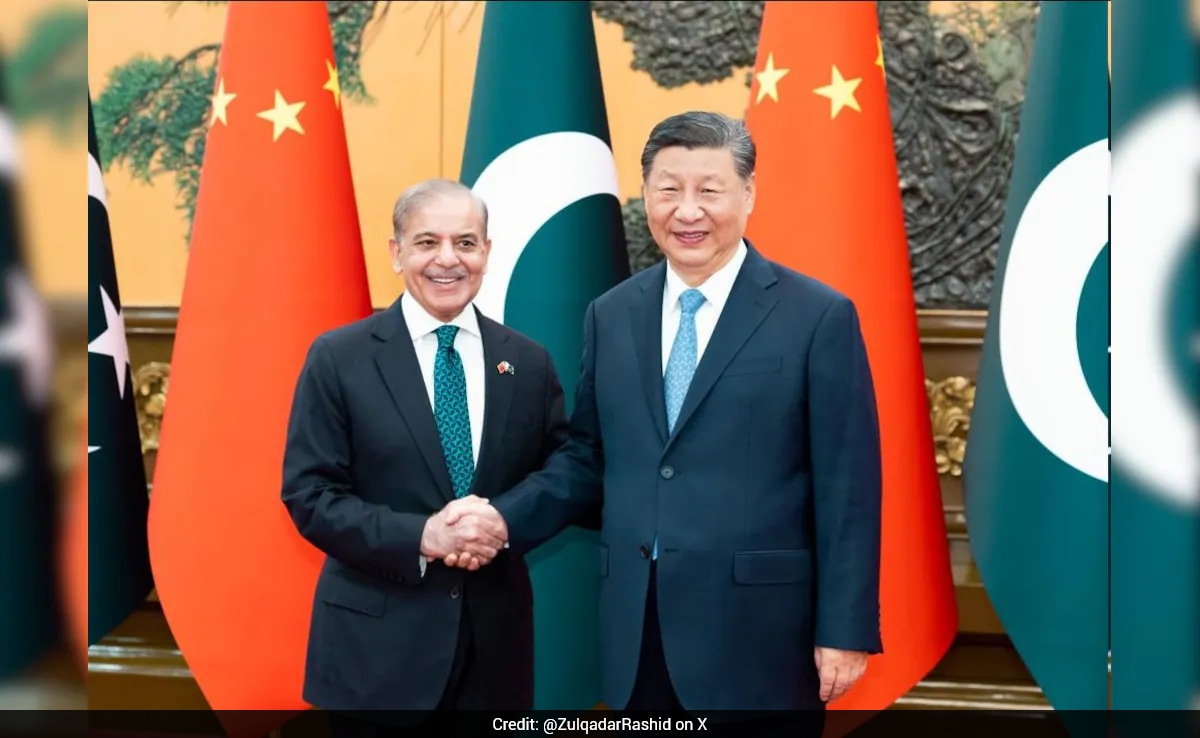
Stop looking at the smiling photos from Beijing and Tehran. Stop believing that a few phone calls between Washington and South Asian capitals can magically dissolve decades of ideological and structural warfare. Pakistan's diplomatic push is a magnificent piece of theater designed to buy time for a domestic regime running out of options. But when the curtain falls, the harsh reality remains: you cannot broker a peace when the empires involved still see more value in the conflict.