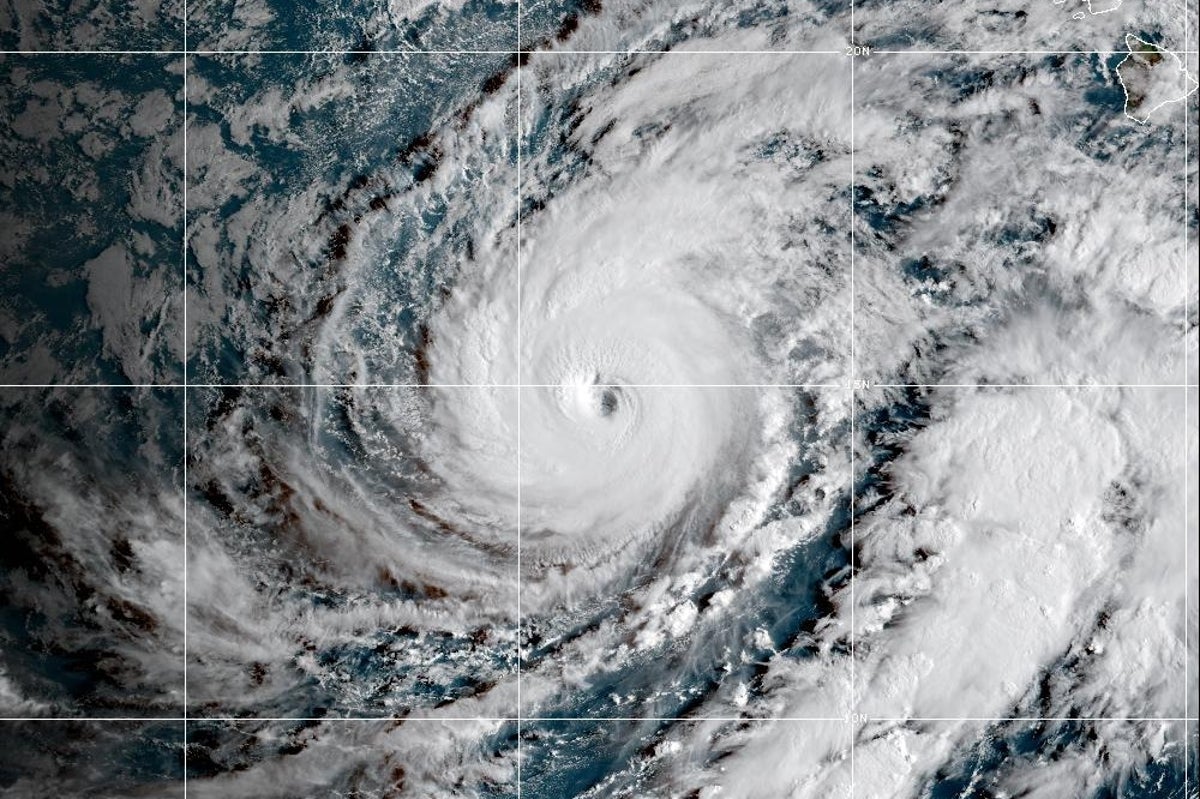
Every single time a weather system spins up in the Pacific, local news anchors lose their minds, grocery store aisles get stripped bare of bottled water, and otherwise rational adults start hoarding canned beans like the apocalypse is booked on their calendar. Hurricane Lowell is currently tracing its path past the islands, and the lazy consensus screams the same tired refrain: panic, hunker down, buy out the hardware store, and pray your drywall survives.
It is time to stop treating standard meteorological events like a medieval plague. The mainstream panic-industrial complex relies on fear to drive clicks, ratings, and short-term retail spikes, completely missing the actual mechanics of disaster preparedness.
The Flawed Logic of the Panic Cycle
Look at the standard playbook issued ahead of Lowell. Residents are told to rush preparations, clear shelves, and expect catastrophic isolation. This advice assumes a total infrastructure collapse across a modern U.S. state within hours. It ignores the spatial realities of island meteorology. Lowell is tracking west of the chain, meaning the core winds and worst marine surges impact a localized corridor, while other areas deal primarily with standard tropical downpours.
When media outlets broadcast wall-to-wall terror regarding Category 3 systems bypassing the landmass, they trigger a localized run on goods that creates artificial scarcity. The supermarket is not empty because the supply chain broke; it is empty because neighbors with zero risk assessment skills bought twenty cases of Dasani they will never drink.
Infrastructure is Stronger Than Your Anxiety
I have watched municipalities blow millions on panic-driven logistics while ignoring the mundane, unsexy engineering fixes that actually keep the power grid online. Hawaii’s primary vulnerability during a storm like Lowell is not the wind speeds hitting the high-altitude ridges; it is falling albizia trees taking out poorly cleared utility lines.
The Central Pacific Hurricane Center provides accurate tracking data days in advance. Yet, the public response remains primitive. Instead of understanding wind shear, eye wall replacement cycles, or the steering currents of upper-level troughs, people focus on buying plywood they will throw away on Wednesday.
If you want to survive an offshore tropical system without losing your dignity or your savings account, stop reacting to the local news panic meter. Secure your loose lanai furniture, clear your gutters so the actual rainfall can drain instead of pooling against your foundation, and leave the bottled water for people who actually live in flood zones.
Real preparation is boring. It means maintaining your property year-round, keeping your car's fuel tank above half, and ignoring the talking heads who treat every atmospheric fluctuation as an extinction-level event. Lowell will pass, the sun will come out, and the only real disaster will be the amount of perfectly good groceries thrown away by terrified amateurs.