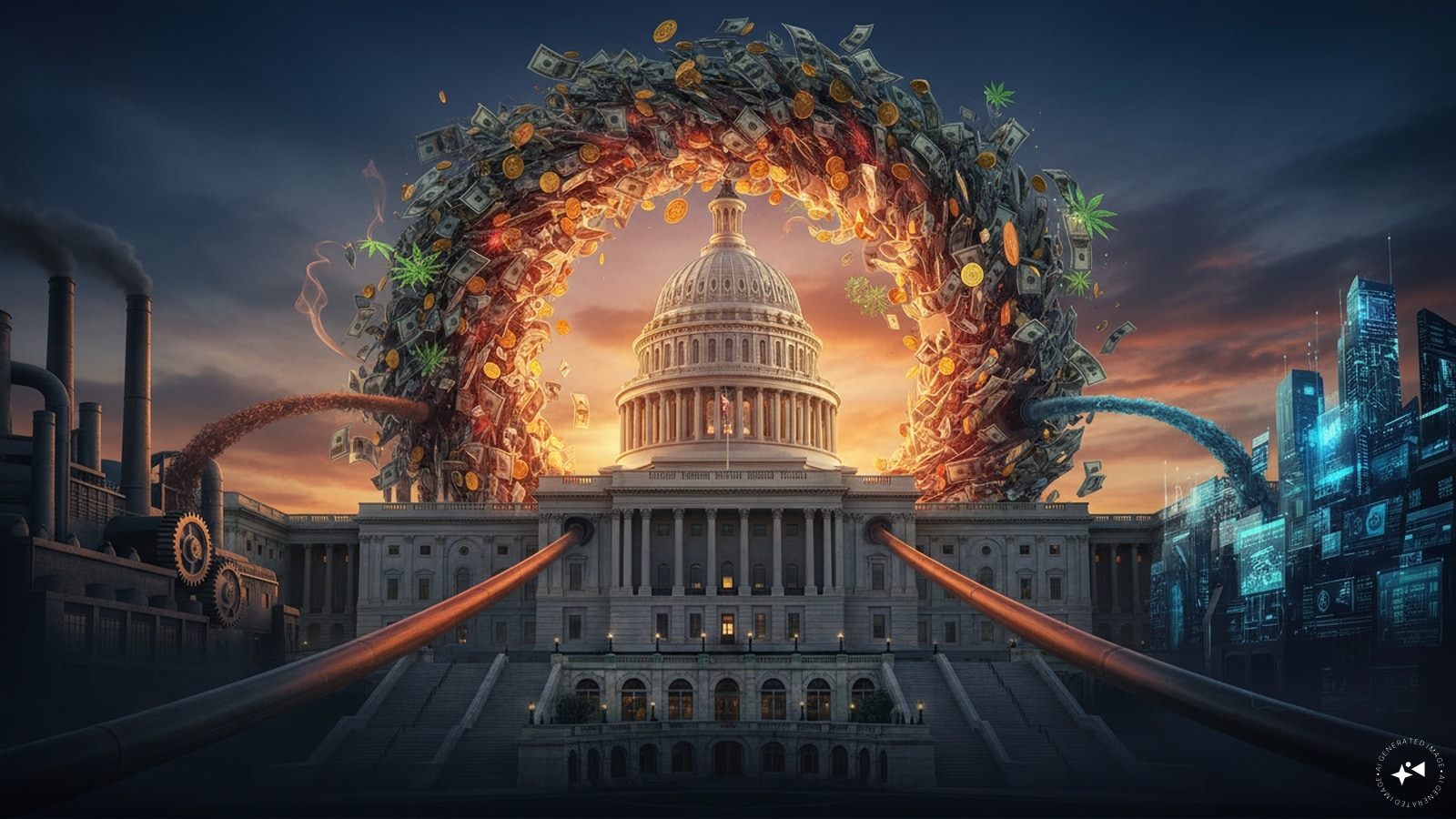
Every time campaign finance numbers drop, the pearl-clutching industrial complex goes into immediate overdrive. Watchdog groups crawl out of the woodwork to shriek about a record six hundred forty-six million dollars dumped into the midterms by corporate entities. They hyperventilate over crypto tycoons, online sports betting apps, and artificial intelligence startups buying elections.
The lazy consensus is simple: money buys votes, corporations are subverting democracy, and Washington is for sale to the highest bidder.
It is a comforting narrative for lazy columnists. It is also entirely wrong.
I have watched companies burn millions on political action committees, super PACs, and direct lobbying efforts while achieving precisely zero return on investment. The panic over corporate campaign finance misunderstands how power actually operates in the American capital. Money does not buy outcomes. Money buys access, and often, access just means getting a front-row seat to your own regulatory execution.
The Great Illusion of Buying Congress
Let us look at the mechanics. Public Citizen and other campaign finance scolds point to numbers like the fifty million dollars flowing into artificial intelligence super PACs or the tens of millions pushed by crypto founders like the Winklevoss twins. They treat these massive figures as smoking guns.
Here is the truth they refuse to acknowledge: political spending is defensive insurance, not an offensive weapon.
I have seen tech companies hand over staggering checks to candidates on both sides of the aisle, only to watch those exact same politicians turn around and introduce antitrust bills or harsh compliance mandates against them weeks later. If corporate cash bought control, the tobacco industry would still be writing its own health guidelines, and fossil fuel giants would never face carbon constraints.
When a firm pours capital into a political campaign, they are not purchasing a legislator like an item on a menu. They are paying for a returned phone call so they can explain why a proposed legislative amendment will break their supply chain. Most of the time, the politician takes the money, listens politely, and votes the way their polling data or party leadership tells them to anyway.
Why Regulated Industries Spend the Most
Look closely at who is actually topping the donor leaderboards. It is not traditional manufacturing or stable consumer goods companies. It is crypto, online betting, and artificial intelligence.
Why are they spending hundreds of millions? Because they exist in regulatory purgatory.
Imagine a scenario where your entire business model can be declared illegal overnight by an unelected agency bureaucrat or a hostile congressional committee. When the government holds a loaded gun to your industry's head, spending money on political campaigns isn't an aggressive play for dominance. It is a desperate bid for survival.
The mainstream media frames this spending as an assault on democracy. It is actually the exact opposite. It is an indicator of a bloated, over-regulated state that has too much power over private enterprise. When the state possesses the arbitrary authority to crush new sectors like digital assets or algorithmic automation, companies have two choices: pay the political tax or get wiped out by compliance regulations written by people who barely understand how to send an email.
Blaming corporations for spending money in a system choked with government intervention is like blaming a homeowner for paying a protection racket when the local mafia runs the neighborhood. Fix the underlying state overreach, and the corporate political spend vanishes overnight. Until then, pointing fingers at the check-writers misses the entire point of the machine.
Stop crying about campaign finance records and start dismantling the regulatory choke points that make those donations necessary.
This video provides additional context and background on the recent surge in corporate political spending during the midterms.


