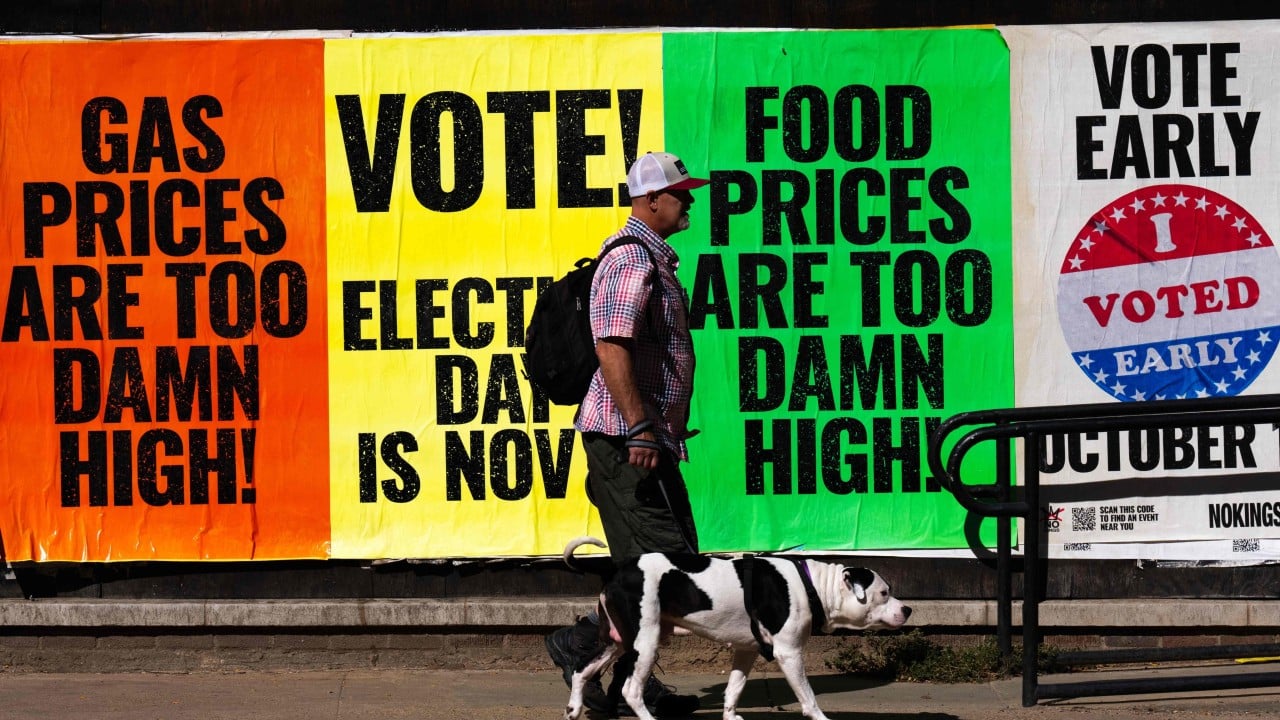
Every two years, cable news anchors dust off the same breathless script about how the upcoming election will decide the fate of the American republic. Right now, the spotlight is squarely on Donald Trump and the 2026 US midterm elections, with control of both the House of Representatives and the Senate hanging in the balance.
Here is the reality most pundits won't admit. The midterms aren't just a simple up-or-down popularity contest on the president. They're a structural stress test on how much executive power can actually accomplish when the legislative branch turns hostile, and honestly, the historical math isn't doing the White House any favors.
If you want to understand what is actually at stake when voters head to the polls this November, you have to look past the rally speeches and examine the cold mechanics of congressional power.
Why the 2026 US Midterm Elections Matter More Than Usual
In almost every modern presidency, the first midterm election acts as a political correction. Since World War II, the president's party has lost an average of 26 seats in the House during midterm cycles, according to data compiled by the American Presidency Project at UC Santa Barbara. Only twice in that entire span—1998 under Bill Clinton and 2002 under George W. Bush—did the sitting president's party actually gain House seats.
That historical gravity hits differently in 2026. Narrow majorities in Congress mean even a minor shift in voter sentiment doesn't just trim a legislative agenda. It slams the brakes on it completely.
Think about what happens on Capitol Hill the moment a majority flips by even five seats. Committee gavels change hands overnight. Subpoena power moves from friendly allies to aggressive investigators. Suddenly, a president who spent two years pushing executive actions and confirming federal judges faces a wall of oversight hearings, blocked appropriations bills, and constant legislative gridlock.
For Trump, the stakes go well beyond passing tax bills or border enforcement funding. A divided Congress fundamentally alters the final two years of a presidential term, turning the White House from an offensive legislative machine into a defensive operation focused on vetoes and executive orders.
The House Math Is Brutal for Incumbents
All 435 seats in the House of Representatives are on the ballot every two years, making it the most volatile chamber in Washington. Because House districts are smaller and more sensitive to localized economic moods, national headwinds hit representatives fast.
In my experience watching congressional cycles over the last two decades, swing-district voters rarely vote on abstract constitutional theory. They vote on the price of groceries, mortgage rates, and whether their local economy feels stable. When incumbents hold razor-thin margins—sometimes fewer than a dozen seats—losing just a handful of suburban districts in states like Pennsylvania, California, New York, or Michigan flips the entire chamber.
Democrats don't need a massive wave to recapture the speaker's gavel. They just need a normal midterm environment where opposition voters show up slightly more reliably than the president's base. Republicans, on the other hand, have to defy eighty years of political gravity while defending vulnerable incumbents in districts that split their tickets in 2024.
The Senate Map Tells a Completely Different Story
While the House acts like a thermometer measuring the immediate political temperature, the Senate operates more like a structural fortress. Only one-third of the 100 Senate seats are up for election in 2026, and the specific geography of those races dictates everything.
You can't win a Senate majority just by running up the score in densely populated cities. You have to win statewide races in the specific states where seats happen to be on the ballot that year.
In 2026, the Class II Senate seats are up for grabs. That map includes major battlegrounds like Georgia, Michigan, North Carolina, and Maine, alongside traditionally red or blue states where primary challenges often matter more than the general election.
Control of the Senate carries two powers the House simply doesn't have:
- Judicial confirmations: Every federal district judge, appellate judge, and potential Supreme Court nominee must pass through the Senate Judiciary Committee and win a floor vote.
- Executive branch appointments: Cabinet secretaries, ambassadors, and agency heads cannot take office without Senate approval.
If Trump retains a friendly Senate, he can continue reshaping the federal judiciary through 2028, even if Democrats win the House and block every single piece of legislation he wants. Lose the Senate, and that judicial pipeline dries up instantly.
What Happens to a President's Agenda When Congress Flips
People often assume a president becomes completely powerless after losing Congress. That isn't true, though the nature of power shifts dramatically.
When the opposition party controls the House, the legislative agenda dies. Major bills on taxation, healthcare, energy policy, or entitlement reform simply don't reach the floor unless both sides strike a rare bipartisan compromise. Instead, governance shifts to budget brinkmanship.
Congress has to pass spending bills to keep the federal government open, and a hostile House uses those deadlines as leverage to extract policy concessions. We've seen this movie before during the Obama and Clinton administrations, and it almost always leads to late-night standoff negotiations, continuing resolutions, and occasional government shutdowns.
At the same time, a president facing a hostile Congress leans heavily on Article II executive authority. Regulatory changes, tariff policies, immigration enforcement directives, and foreign policy decisions don't require immediate congressional approval. The catch is that executive actions are temporary—the next president can undo them with a pen—whereas laws passed by Congress stick around for decades.
The Subpoena Factor Nobody Wants to Talk About
Let's be honest about what really drives modern midterm politics in Washington. It isn't policy white papers. It's oversight.
When the opposition party wins the House, committee chairs gain unilateral authority to issue subpoenas, demand White House documents, and compel administration officials to testify under oath. During the 116th Congress, House committees launched dozens of parallel investigations into administration policies, business dealings, and agency decisions.
Those hearings rarely change the minds of die-hard partisans. What they do is dominate the news cycle for two straight years, forcing the White House communications team to play defense every single week while distracting cabinet officials from running their departments.
Three Misconceptions Voters Have About Midterm Elections
If you follow political commentary closely, you'll hear plenty of confident predictions that fall apart under basic scrutiny. Clearing away the noise makes it much easier to read what is actually happening on the ground.
1. National Polling Predicts Local Outcomes
Generic ballot polls—where pollsters ask voters whether they prefer a Democrat or a Republican in Congress—get tons of headlines. They're also deeply misleading on their own.
A party can win the national popular vote for the House by three percentage points and still lose the majority if those votes are packed into safe urban or rural districts rather than distributed across competitive swing seats. Watch individual district polling and fundraising numbers in the 30 to 40 true toss-up districts, not national tracking polls.
2. High Turnout Automatically Favors One Party
For years, conventional wisdom claimed higher turnout always helped Democrats and lower turnout favored Republicans. That rule broke down completely over the last decade.
Today, high-propensity midterm voters—the people who show up religiously in non-presidential years—include a massive share of college-educated suburbanites who now lean Democratic. Meanwhile, working-class voters without college degrees, who form the backbone of Trump's coalition, historically drop off at higher rates when Trump's own name isn't physically on the ballot. Turnout dynamics in 2026 are a genuine toss-up, and both party machines are spending hundreds of millions of dollars trying to solve that exact problem.
3. Lame Duck Status Starts the Day After the Midterms
Pundits love declaring a second-term president a "lame duck" the moment midterm results come in. In reality, presidents often become more aggressive in foreign policy and regulatory action during their final two years because they never have to face voters again.
Without the pressure of a reelection campaign, a president stops worrying about alienating swing voters in battleground states. That freedom frequently leads to bolder executive moves, tougher trade stances, and major foreign policy gambits that would have been too risky earlier in the term.
How to Track the 2026 Races Without Getting Lost in the Noise
If you want to know where the 2026 US midterm elections are actually heading, stop watching twenty-four-hour cable panels and track concrete indicators instead.
Start by checking nonpartisan race ratings from analysts like the Cook Political Report or Sabato's Crystal Ball. Look specifically at how many seats sit in the "Toss-Up" column versus "Lean Democrat" or "Lean Republican." When vulnerable incumbents start retiring instead of running for reelection, that is usually the clearest early warning sign that a party expects a rough night.
Pay attention to third-quarter fundraising reports filed with the Federal Election Commission. When challengers in suburban districts consistently outraise entrenched incumbents, it signals real grassroots energy that polling often misses until late October. Check your local sample ballot early, research down-ballot state legislative races that control future redistricting, and verify your voter registration status well before your state's deadline.