You probably think twice about eating raw oysters or sketchy street food, but nobody expects a fast-food taco to trigger weeks of explosive, watery diarrhea. Yet, that is exactly what thousands of people are facing right now.
Federal health officials just confirmed a massive foodborne illness outbreak linked directly to shredded iceberg lettuce served at Taco Bell. The Centers for Disease Control and Prevention (CDC) and the Food and Drug Administration (FDA) have pinpointed a single supplier sourcing iceberg lettuce from central Mexico as the primary culprit.
If you live in the Midwest or parts of Appalachia, you need to pay close attention. This isn't your standard, run-of-the-mill stomach flu. It is a parasitic infection that defies normal kitchen cleanup habits, and the numbers are climbing fast.
The Five States in the Crosshairs
The official government warning isolates the problem to Taco Bell locations across five specific states:
- Indiana
- Kentucky
- Michigan
- Ohio
- West Virginia
If you ordered anything with shredded lettuce at a Taco Bell in these areas between mid-May and mid-July, you might have ingested Cyclospora cayetanensis.
Michigan is the absolute epicenter of this health crisis. State health officials there have already reported more than 5,000 cases, a staggering surge for a state that typically sees fewer than 50 cases in an entire year. Northwest Ohio is trailing closely behind with over 1,400 confirmed infections. Nationwide, the wider summer surge has triggered nearly 7,000 confirmed or suspected cases.
Out of the core cluster explicitly traced to Taco Bell, at least 1,644 people have tested positive, and 94 individuals have been hospitalized due to severe dehydration and complications. Thankfully, no deaths have been reported so far.
Why Washing Your Veggies Won't Save You
Here is the frustrating reality about Cyclospora: you cannot simply wash it away.
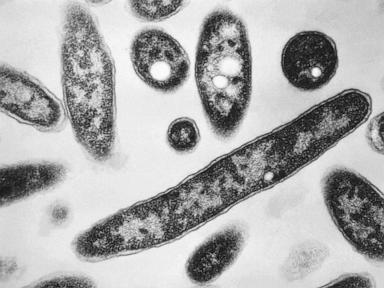
This is a microscopic, single-celled parasite, not a bacterium like E. coli or Salmonella. It spreads when food or water is contaminated with human feces, usually via infected irrigation water on farms. Once the parasite hitches a ride on the complex, crinkly surface of shredded iceberg lettuce, it clings with incredible tenacity.
Standard kitchen rinsing does absolutely nothing to dislodge it. Chlorine washes used by industrial processors often fail to kill the microscopic oocysts. The only surefire way to kill the parasite is by cooking the food to at least 158°F (70°C). Since nobody wants a cooked, mushy piece of lettuce on their crunchy taco, raw consumption leaves consumers completely vulnerable.
The corporate fallout has been swift. Traceback investigators converged on Taylor Farms de Mexico as the common supplier for the affected fast-food locations. In response, Taylor Farms announced a voluntary, indefinite removal of all iceberg lettuce sourced from central Mexico from the U.S. market. Taco Bell also scrubbed the ingredient from its supply chain nationwide, replacing it with alternative regional suppliers within 24 hours.
Recognizing the Signs of Cyclosporiasis
Don't mistake this for a quick 24-hour bug. Cyclospora plays the long game.
You won't get sick immediately after eating. The parasite requires an incubation period inside your gut, meaning symptoms usually take about a week to surface, though they can show up anywhere from two days to two weeks later.
Primary Symptoms to Monitor
- Watery, frequent, and sometimes explosive diarrhea
- Extreme, relentless fatigue and muscle aches
- Severe stomach cramps, bloating, and intense gas
- Loss of appetite and rapid weight loss
- Nausea and occasional vomiting
The defining hallmark of cyclosporiasis is its cyclical nature. You might feel terrible for four days, think you've finally recovered, and then watch the explosive diarrhea return with a vengeance a day later. Without proper medical intervention, this miserable cycle can persist for weeks or even months.
If you are experiencing these symptoms, don't just wait it out. Head to a healthcare provider. Crucially, you must explicitly ask for a Cyclospora stool test. Standard, routine stool panels run by hospitals do not automatically screen for this specific parasite. If you test positive, doctors can prescribe a specific regimen of sulfur-based antibiotics (typically trimethoprim-sulfamethoxazole) to knock the parasite out quickly.
How to Protect Yourself Today
The federal investigation is still shifting into a "trace-forward" phase, meaning authorities are trying to figure out if this same contaminated Mexican lettuce made its way into local grocery stores, pre-packaged salad kits, or other restaurant chains.
To keep your family safe while this supply chain mess gets sorted out, change how you buy produce. Public health officials in Michigan recommend avoiding pre-washed, bagged lettuce or pre-mixed salad kits entirely for the time being. Instead, buy whole heads of lettuce. When you get them home, peel off and discard the outer three or four leaves entirely before rinsing the inner layers thoroughly under cold running water. It isn't a flawless guarantee, but it drastically slashes your risk of exposure while the agricultural sector purges the contaminated batches from the market. Keep an eye on local recall notices and opt out of raw greens when dining out in the impacted states.