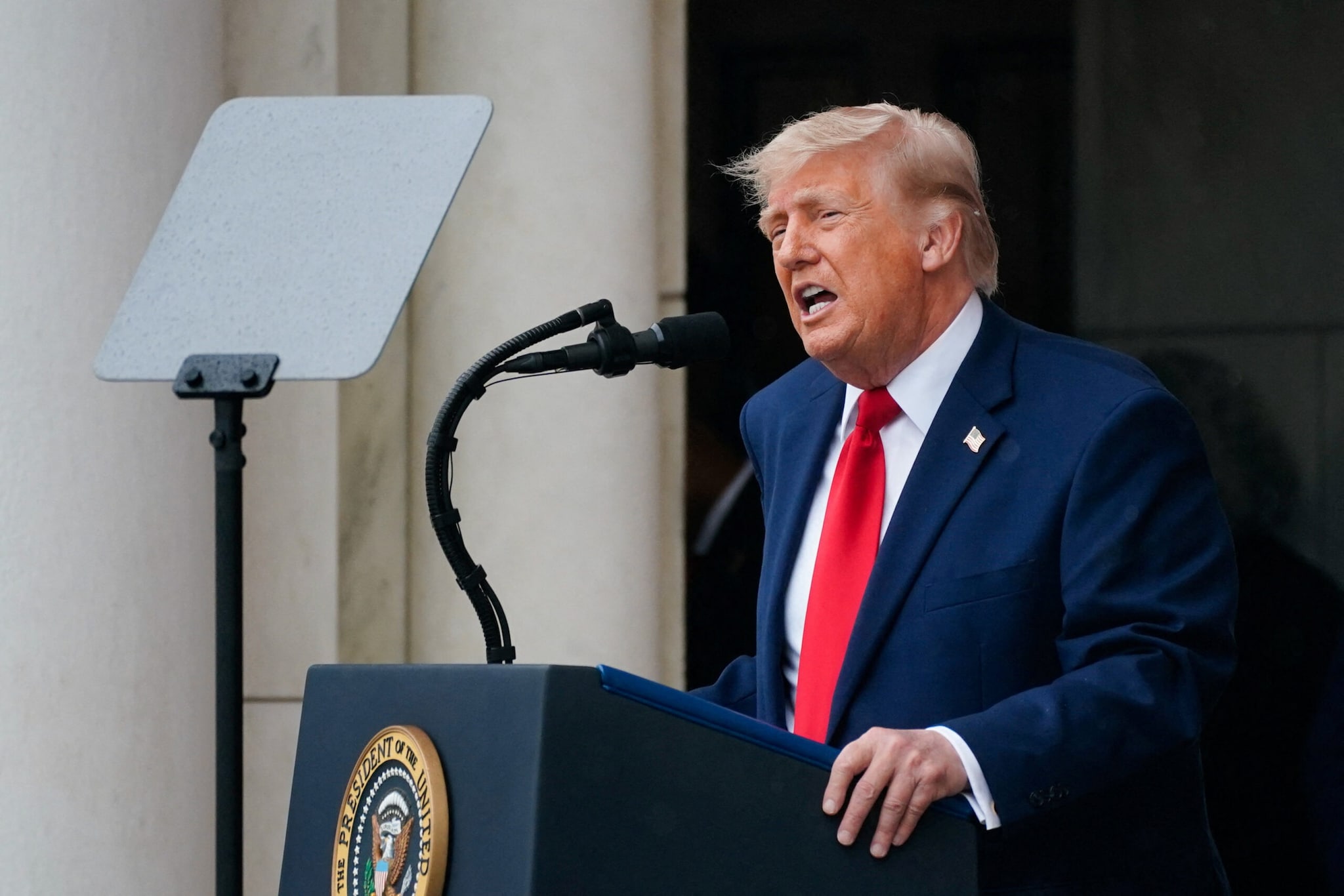
Donald Trump wants you to believe that the path to cheap fuel is simple. According to his latest campaign trail rhetoric, all it takes to bring gasoline tumbling back down to $1.85 a gallon is wrapping up the current conflict with Iran. He insists that once the geopolitical dust settles and the nuclear threat is neutralized, your local station will magically roll back its prices to pre-inflationary glory days.
It sounds great when you're staring at a pump that reads over $4.50 a gallon. But honestly, it's a massive oversimplification of how the global energy market functions.
The reality of oil economics doesn't adjust to political soundbites. Trump is tying the price of domestic fuel directly to a single conflict, ignoring the massive structural forces that actually dictate what you pay at the pump. Even if a permanent ceasefire is signed tomorrow and shipping lanes reopen, getting back to $1.85 is an uphill battle against math, corporate profits, and basic economics.
The Mirage of Cheap Gasoline
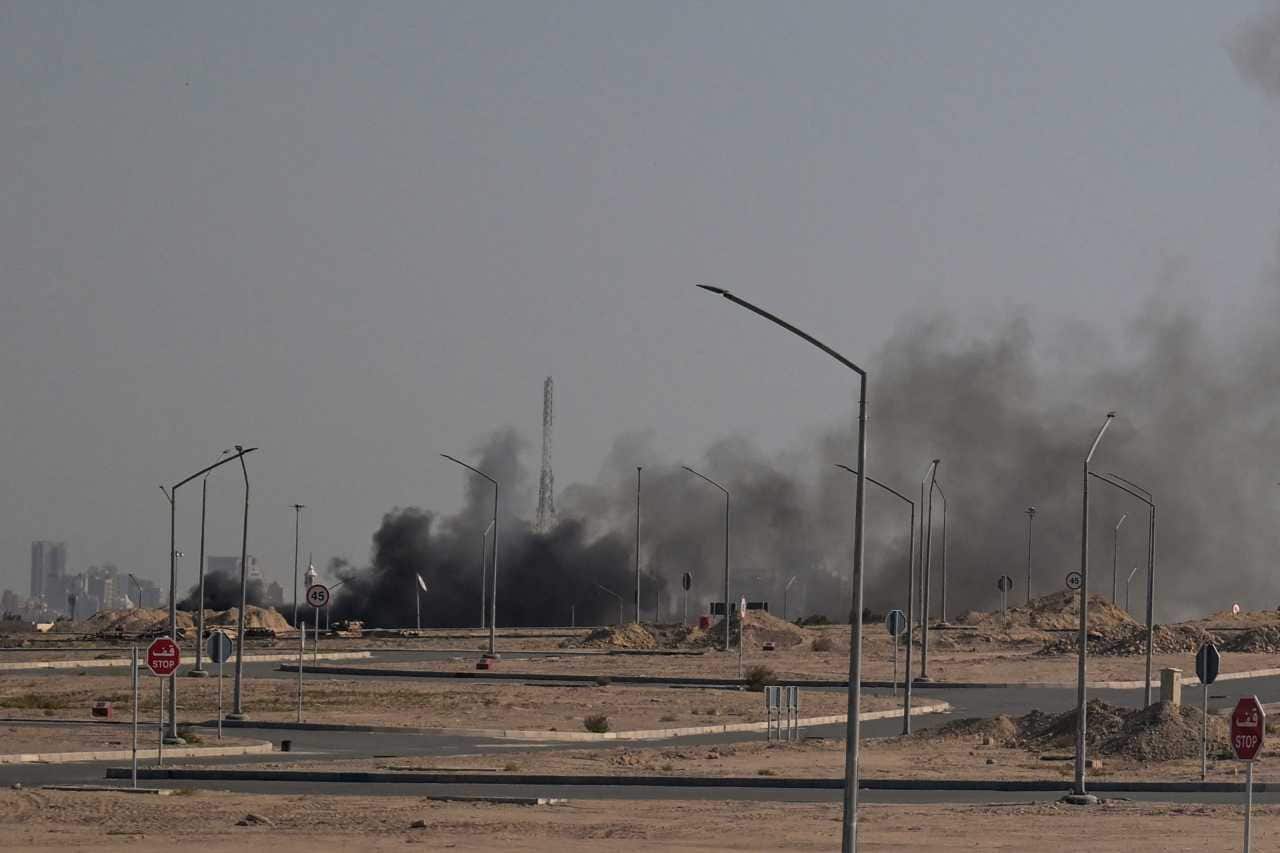
Let's look at the numbers. Drivers across the country are facing intense pressure from fuel costs. The national average recently jumped to $4.52 per gallon, driven heavily by the outbreak of the U.S.-Israel war with Iran back on February 28. When the conflict kicked off, Tehran effectively choked off access to the Strait of Hormuz. That single chokepoint handles roughly a fifth of the world’s petroleum and liquefied natural gas.
When you cut off that much supply, prices skyrocket. West Texas Intermediate crude soared, and the domestic market felt it instantly. Trump's immediate political band-aid has been a proposal to suspend the 18.4-cent federal gas tax. It's a nice gesture, but it's pennies when prices have spiked by more than 50% in a matter of months.
To get all the way down to $1.85, a few things would have to happen simultaneously, and none of them are likely.
First, global crude oil would need to crash to around $35 or $40 a barrel. Right now, even with optimistic rumors of a ceasefire pulling benchmarks down slightly, crude is still hovering around the $90 mark. Refiners aren't charities. They have fixed overhead costs, regulatory compliance fees, and labor expenses that have risen dramatically over the last few years.
What the Politicians Aren't Telling You About Supply
The core of Trump's argument relies on a "drill, baby, drill" philosophy mixed with foreign policy muscle. The theory is that total military dominance and domestic production will flood the market and crash the price. But American oil production is already sitting at historic highs, and it hasn't kept prices at rock bottom. Why? Because oil is a globally traded commodity.
Publicly traded energy giants aren't rushing to overproduce and tank their own stock values. They learned their lesson during the 2020 pandemic crash when oil briefly went negative. Today, Wall Street demands capital discipline. Companies are prioritizing stock buybacks and dividends over aggressive, price-crashing supply gluts.
The top 100 oil and gas companies pulled in immense profits during the first month of the Iran war alone. They have zero financial incentive to cooperate with a political agenda that slashes their margins to numbers not seen in a decade.
The Inflationary Feedback Loop
You can't talk about gas prices without talking about the broader economy. High energy costs act as a hidden tax on everything. The Federal Reserve was widely expected to cut benchmark interest rates this year, but the energy spike caused by the conflict forced them to stay cautious.
Higher fuel means higher shipping costs for groceries, steeper manufacturing expenses, and pricier fertilizer for farmers. According to data from Brown University, households are getting squeezed heavily, with some states seeing localized spikes well over $1.50 a gallon since the war started.
If the administration somehow forced energy prices down to $1.85 overnight, it would require an economic contraction so severe that it would mirror a deep recession. Cheap gas historically happens when demand collapses, not just when supply rises. Think back to the spring of 2020. Gas was incredibly cheap because the world stopped moving. Nobody wants a return to that kind of economic paralysis just to save money at the pump.
The Real Timeline for Relief
If you're waiting for relief, don't watch the White House briefings. Watch the peace talks and the shipping logs.
Recent market movements show that even minor progress in U.S.-Iran negotiations causes crude to slip by 5% or 6% in a single session. The moment tankers can safely pass through the Strait of Hormuz without fearing drone or missile strikes, the massive "risk premium" baked into current prices will evaporate.
That normalization will likely bring gas back down to a more manageable $3.00 to $3.25 range nationwide. It’s a far cry from $1.85, but it’s a realistic floor given today's labor and refining costs.
Your best move right now is to ignore the electoral promises and plan around structural inflation. Optimize your driving habits, budget for sustained energy costs through the winter, and watch how corporate production targets shift as the military conflict winds down. The political rhetoric might make for a great headline, but your budget needs to rely on reality.
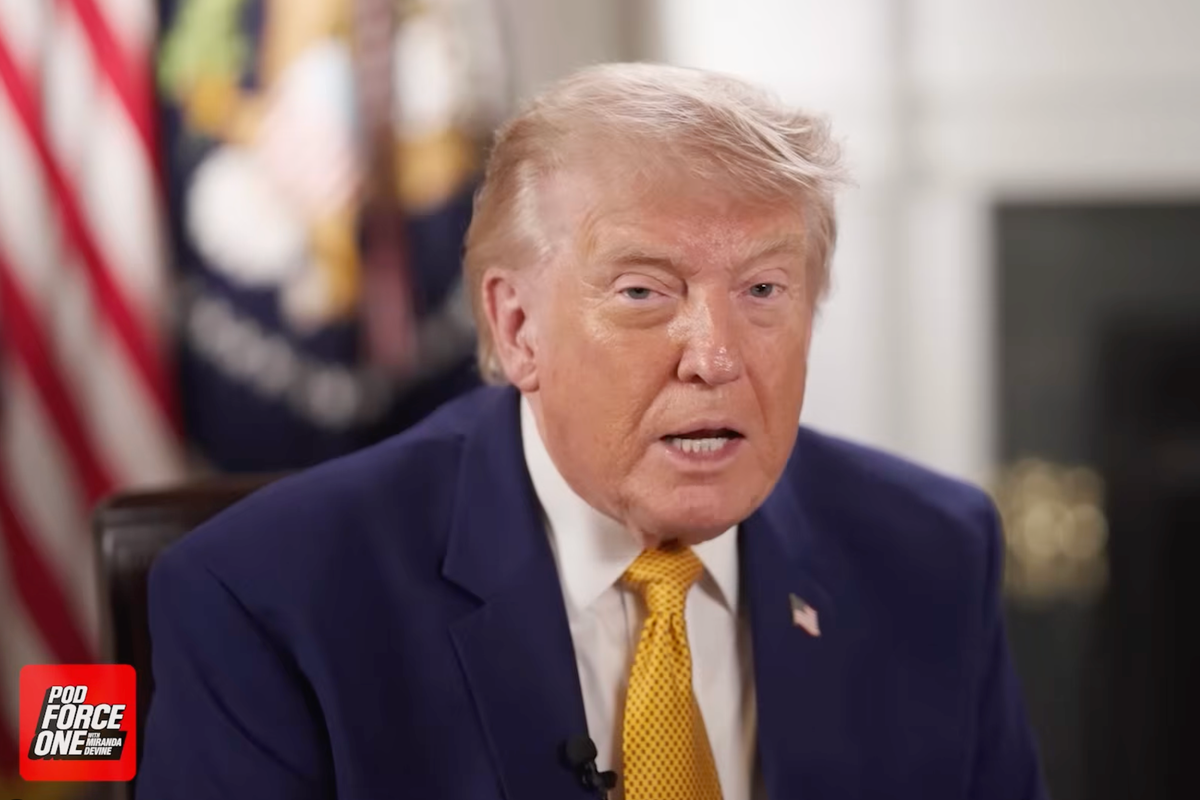
Trump's gasoline price promise details provides a direct look at his recent public statements regarding the $1.85 target and his geopolitical justifications for it.