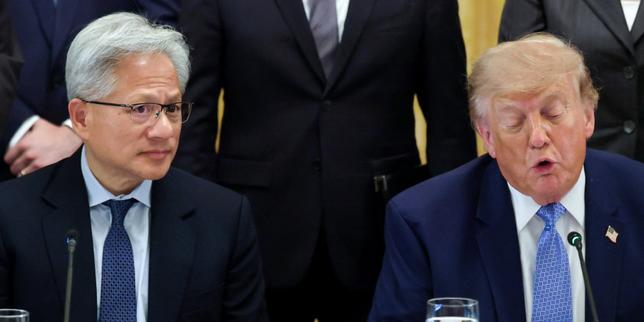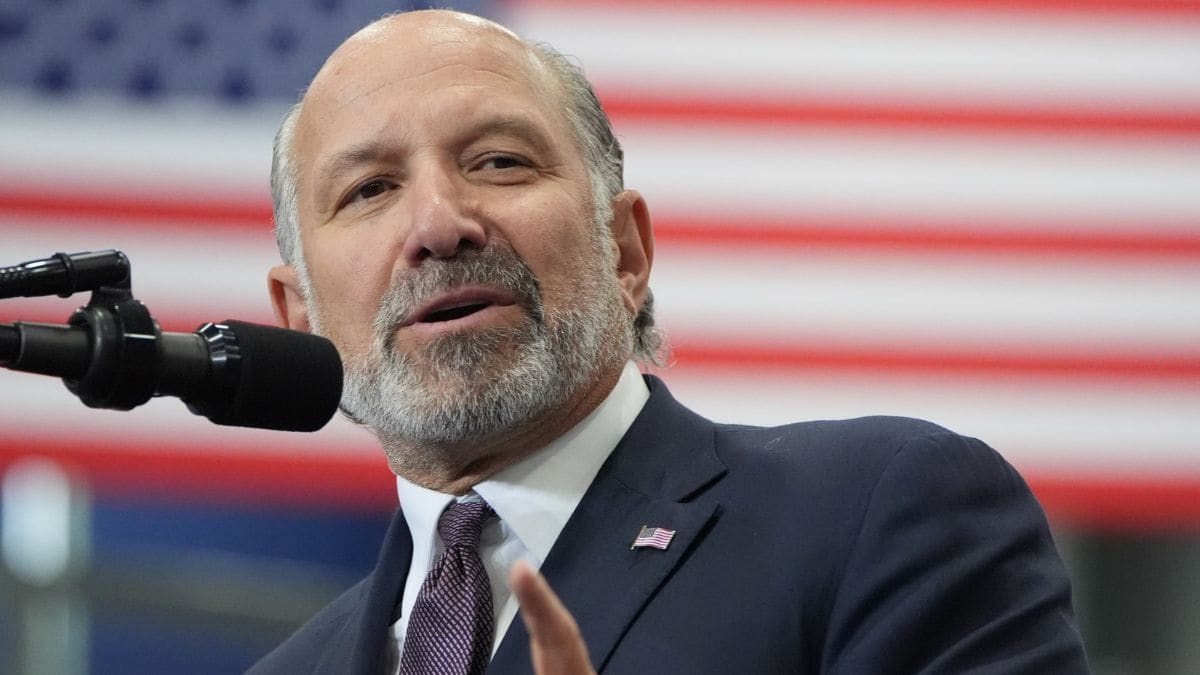
You can't separate a Silicon Valley sex scandal from national security when the guy at the center of it controls the world's AI hardware supply. When news broke on November 12, 2026, that Nvidia CEO Jensen Huang was stepping down over extramarital affairs—including one with a woman U.S. intelligence officials suspect is a Chinese spy—the tech world panicked. Almost immediately, the political heat shifted straight to Washington, putting Commerce Secretary Howard Lutnick squarely in the crosshairs.
Most headlines treat this like standard beltway gossip or a simple corporate governance failure. They're wrong. The real story isn't just about Huang's personal life, or even his shock reinstatement days later after President Donald Trump personally intervened with Nvidia's board. It's about how Lutnick, one of Trump's closest allies and top economic aides, allegedly sat on critical export warnings while advanced American AI chips slipped toward Beijing.
The Megaspeed Connection That Changed Everything
If you want to understand why Howard Lutnick is facing bipartisan fury on Capitol Hill, you have to look at a Singapore-based data center firm called Megaspeed International.
One of the women involved in Huang's affair scandal is Alice Huang, also known as Huang Le. She wasn't just an anonymous acquaintance. She served as the executive director of Megaspeed International, and U.S. intelligence officials suspect she operated as an asset for China's intelligence services. For months, national security hawks inside the administration flagged Megaspeed as a front suspected of smuggling restricted, high-end Nvidia chips into mainland China.
Here's where Lutnick's job gets messy. As Secretary of Commerce, Lutnick holds the pen on export controls. His department manages the Entity List—the government's trade blacklist designed to cut off foreign companies that pose a threat to American national security.
According to public statements from Treasury Secretary Scott Bessent on CNBC, a broad coalition across the administration—including the Treasury Department, the State Department, the Pentagon, and the U.S. Trade Representative—wanted Megaspeed placed on that blacklist. They saw the red flags. They pushed for action. Yet the Commerce Department under Lutnick stalled. Megaspeed wasn't officially added to the trade blacklist until November 2026, only after Huang's affair blew up in the press and forced everyone's hand.
Why did Commerce drag its feet? That's the exact question keeping lawmakers awake at night.
A Cozy Relationship With High Financial Stakes
To understand the hesitation at the Commerce Department, look at how tight Lutnick and Jensen Huang became over the past two years.
When Trump returned to office in early 2025, Huang wasn't part of the MAGA inner circle. He famously skipped the inauguration to celebrate Lunar New Year with employees in Asia, while other tech titans fought for front-row seats in the Capitol Rotunda. Trump even admitted publicly that he barely knew who Huang was or what Nvidia did at the time.
Eleven days into the new term, that changed. Huang visited the White House, met with Trump, and sat down with Lutnick, who was awaiting Senate confirmation. From that point forward, Lutnick acted as Huang's primary bridge to the Oval Office. In past interviews, Huang openly described Lutnick as the person he spoke to the most inside the administration. Over dinners, phone calls, and private meetings, Lutnick helped elevate Huang's standing with the president.
That closeness paid massive dividends for Nvidia. In December 2025—reportedly after Trump and Lutnick had already been briefed by intelligence officials regarding Huang's compromising relationship—the administration granted Nvidia permission to sell its advanced H200 AI chips to China in exchange for a cut of the export sales.
Now, congressional investigators are looking at potential financial conflicts of interest alongside the national security lapse. Before joining the cabinet, Lutnick led the financial services firm Cantor Fitzgerald. Lawmakers are demanding records to determine whether Lutnick blocked or delayed crackdowns on suspected Chinese chip smuggling while Cantor Fitzgerald held hundreds of millions of dollars in Nvidia stock.
Bipartisan Backlash and the Senate Showdown
Normally, a Trump cabinet secretary in hot water can rely on Republican lawmakers to circle the wagons. Not this time. The national security implications of handing China cutting-edge AI compute power have fractured the usual party lines.
- Democratic Pressure: Senate Finance Committee ranking member Ron Wyden and House Ways and Means ranking member Richard Neal fired off a blistering letter demanding answers on why the administration greenlit H200 chip sales after receiving intelligence warnings. Senator Chris Van Hollen went further on ABC News, stating flatly that Lutnick should be fired.
- Republican Defections: Even reliable Trump allies aren't buying the White House's spin. Senator Jim Banks told Fox News the revelations were as concerning as it gets, warning against handing top technology to a strategic adversary. Meanwhile, Senator John Kennedy delivered a viral assessment of the scandal, calling Huang's reported affair the "most expensive sex since Helen of Troy" while pressing administration leaders on how export controls failed so badly.
The Senate Banking Committee, chaired by Republican Senator Tim Scott, has already scheduled Jensen Huang to testify on December 3, 2026, regarding the potential breach of national security. Lutnick himself has agreed to appear before lawmakers to answer questions about his department's internal processes, what he knew about Megaspeed, and when he knew it.
Why Trump Fought to Bring Huang Back
If the scandal is this toxic, why did President Trump spend political capital forcing Nvidia's board to reinstate Jensen Huang just days after his resignation?
Follow the money. When Huang stepped down on November 12, AI stocks took an immediate walloping. Nvidia isn't just another tech company; its valuation anchors the broader S&P 500, drives retirement accounts across the country, and underpins the current economic expansion. Economists warned that a prolonged sell-off triggered by Huang's exit could drag down consumer spending and stall U.S. growth.
Trump recognized the market risk instantly. Working alongside Vice President JD Vance—who leveraged his own Silicon Valley background to reassure hesitant directors—as well as Lutnick and Bessent, the White House leaned hard on Nvidia's board. By November 23, the board caved and put Huang back in the CEO chair. Trump dismissed the affair on CNBC, noting that Huang had apologized to his wife, his company, and the country, while arguing that the market needed his leadership.
What You Need to Watch Next
Reinstating Huang stabilized the stock market temporarily, though Nvidia shares still saw volatility following the news. However, putting the CEO back in his office doesn't solve Howard Lutnick's political problem. Trump has publicly stood by his Commerce Secretary so far, calling him transformative, yet Oval Office loyalty rarely survives sustained bipartisan heat when national security is on the table.
If you're tracking how this impacts tech stocks, semiconductor policy, or the Trump cabinet, keep your eyes on three specific triggers over the coming weeks:
- The December 3 Senate Testimony: Watch how Huang handles questions about Alice Huang and Megaspeed under oath. If he testifies that Commerce officials never warned him about Megaspeed—or worse, suggests that Lutnick encouraged business channels that bypassed standard scrutiny—Lutnick's position becomes untenable.
- Document Preservation Subpoenas: Senate Democrats have formally ordered the Commerce Department to preserve all communications between Lutnick, export control chief Jeffrey Kessler, and Nvidia executives. Look for leaked emails or calendar logs showing meetings that occurred after the intelligence briefings last fall.
- Treasury vs. Commerce Friction: Scott Bessent already threw Lutnick under the bus publicly by pointing out that Commerce held the pen on the Megaspeed blacklist. Pay attention to whether the Pentagon or State Department officials begin leaking similar frustrations to force Lutnick out.
Don't get distracted by the tabloid details of a billionaire's personal life. The real test for Washington is whether a cabinet secretary prioritized market gains and personal alliances over keeping America's most sensitive AI hardware out of Chinese hands.
For additional context on how lawmakers are reacting to these allegations, check out Lutnick agrees to testify to Congress amid Nvidia CEO affair fallout. This broadcast breaks down the immediate congressional demands for transparency following the revelations about Megaspeed and the Commerce Department's handling of chip export controls.