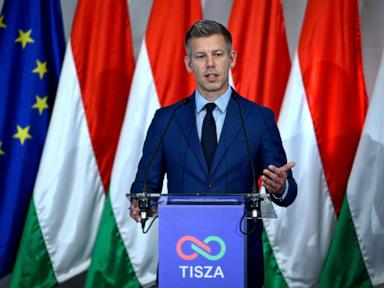
Viktor Orbán's sixteen-year grip on Hungary didn't just slip; it shattered. On April 12, 2026, the political map of the country was redrawn in a single night as Péter Magyar and his Tisza party secured a staggering two-thirds supermajority. It's the kind of mandate most politicians only dream of, and Magyar isn't wasting a second of it.
The dust from the election hasn't even settled, but the messaging is clear. Hungary is moving from "illiberal democracy" toward something else entirely. On Monday, Magyar revealed the core of his new cabinet, signaling a hard pivot toward economic stability and a repaired relationship with the European Union. He's not just swapping out faces; he's expanding the government to 16 ministries to tackle health, education, and the environment—areas many felt were neglected under the previous administration.
The Faces of the New Hungarian Cabinet
Magyar’s picks tell a story of competence over ideology. He isn't filling seats with party loyalists; he’s bringing in heavy hitters with serious private-sector and international resumes.
- Finance Minister: Andras Karman. A former Erste Bank executive and board member at the EBRD. He knows where the money is and how to talk to the people who control it.
- Foreign Minister: Anita Orban. Despite the name, she's no relation to the outgoing Prime Minister. She comes from a background at Vodafone and the Foreign Ministry, suggesting a shift toward corporate-style diplomacy and pragmatism.
- Economy and Energy Minister: Istvan Kapitany. The former Shell executive is perhaps the most telling pick. His job is simple but massive: fix the energy grid and convince the world that Hungary is a safe place to invest again.
These appointments are a direct signal to Brussels. By putting people like Karman and Kapitany in charge, Magyar is betting that professional credibility will unlock the billions of euros in EU funding that Orbán’s "rule of law" battles kept frozen.
Breaking the Supermajority Cycle
For over a decade, the two-thirds majority was Orbán’s weapon. He used it to rewrite the constitution and consolidate power. Now, Magyar holds that same power. The irony isn't lost on anyone in Budapest. However, Magyar’s platform was built on the promise of dismantling the very system that now gives him total control.
It’s a tightrope walk. He needs to use his supermajority to undo Orbán’s reforms, but doing so too aggressively risks looking like the same brand of strongman he replaced. His first move—expanding the number of ministries from 12 to 16—shows he wants a more specialized, less centralized government. By creating dedicated seats for Health and Education, he's addressing the two biggest complaints of the Hungarian middle class.
Why This Election Changed Everything
The numbers from April 12 are worth a second look. Tisza didn't just win the cities; they ate into the rural heartlands that were once the bedrock of Fidesz support. Turnout hit nearly 79%, the highest since the fall of Communism. This wasn't just a political shift; it was a national exhale.
People didn't just vote for Magyar because he’s "not Orbán." They voted for him because he spoke the language of a modern, European Hungary while keeping enough of the nationalist rhetoric to feel familiar. He's a conservative, but one who wants to play by the rules of the club.
The Immediate Economic Challenge
The honeymoon won't last long. Hungary’s economy has been limping, and inflation remains a thorn in the side of the average household. Karman and Kapitany have their work cut out for them. The goal is to restore "predictable policies." In the business world, that’s code for "no more surprise taxes or overnight law changes."
Magyar has already hinted that the news programming on the state broadcaster will be suspended. It's a bold, almost jarring move to "reset" the public narrative. He’s also looking at a May 11 start date for the new government.
What This Means for the Rest of Europe
Brussels is breathing a sigh of relief, but they shouldn't get too comfortable. While Magyar is pro-EU, he hasn't promised to be a doormat. He still holds skeptical views on migration and certain aspects of the Ukraine conflict. He’s essentially offering a "Third Way"—pro-European in structure, but still fiercely Hungarian in its priorities.
If you're watching from the outside, the next few weeks are critical. Watch how quickly the "Respect and Freedom" (Tisza) party moves to reform the judiciary. That will be the real test of whether this is a genuine democratic rebirth or just a change in management.
The transition officially kicks off in the first week of May when the new parliament convenes. Until then, expect more announcements as Magyar fills the remaining ten ministerial slots. He has the mandate, he has the team, and now he has the clock ticking against him.
Check the official government transition portal or follow independent Hungarian news outlets like Telex or 24.hu for the latest updates on the remaining cabinet picks. The inaugural session of parliament is expected between May 4 and May 7. If you're invested in European markets, keep a close eye on the Forint’s reaction to Karman’s first official policy statements next month.