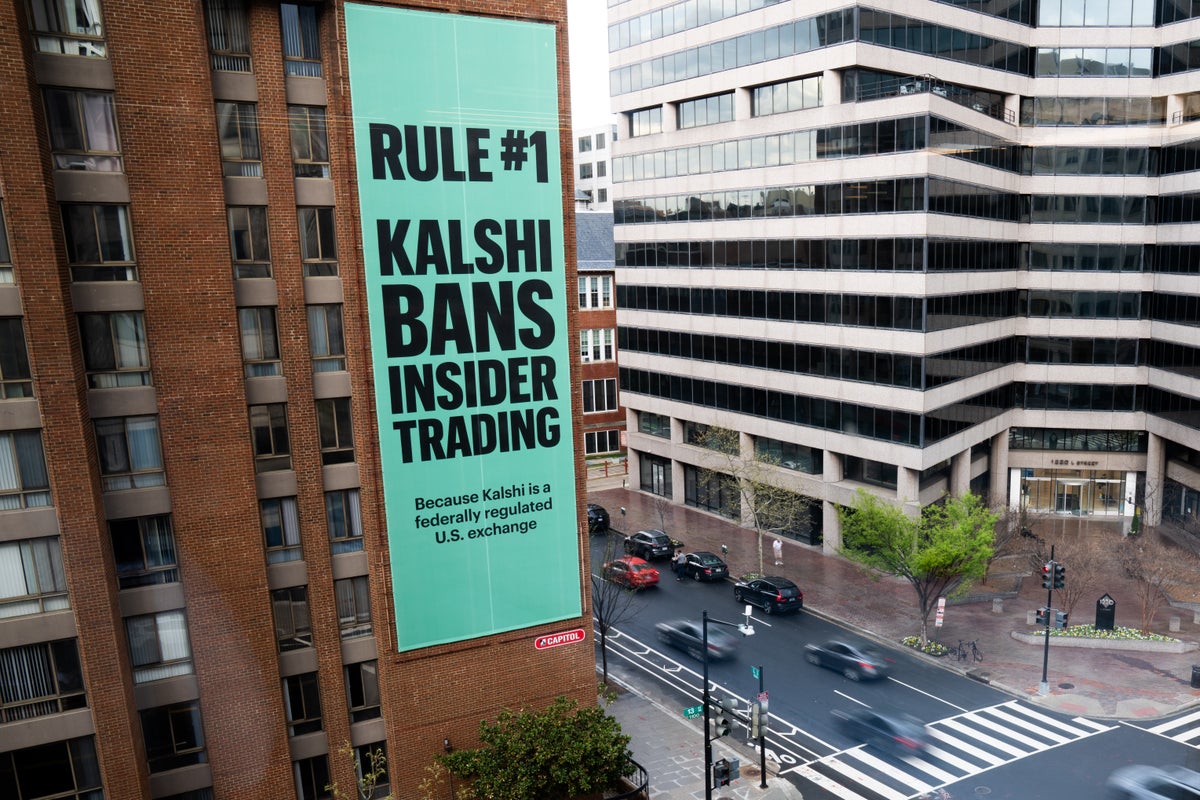
You can finally bet on who’s going to win the next election without feeling like you’re breaking the law. For years, the federal government treated prediction markets like the shady backroom of a Vegas casino. But the tide turned. In late 2024, a landmark court ruling in the KalshiEX LLC v. CFTC case basically told the Commodity Futures Trading Commission (CFTC) they couldn't just ban election betting because they didn't like it.
Washington is still trying to keep a tight grip. They’re worried about "death bets," insider trading, and the integrity of our democracy. But here’s the thing: prediction markets aren't just for gamblers. They’re actually one of the most accurate ways to forecast the future. When people put their own money on the line, they tend to be a lot more honest than when they’re answering a phone poll.
The Courtroom Brawl That Changed Everything
The big shift happened when Kalshi, a regulated exchange, sued the CFTC for the right to offer "Congressional Control Contracts." The CFTC tried to argue that these contracts were "gaming" or "illegal gambling." They lost. The U.S. District Court for the District of Columbia ruled that betting on an election isn't the same thing as a game of blackjack.
It’s about hedging risk. If you’re a business owner and a specific political candidate’s tax plan is going to cost you $100,000, you might want to buy a "yes" contract on that candidate. If they win, your payout covers your tax hike. If they lose, you’re out the cost of the contract, but you don't have to worry about the tax. It’s insurance, not a craps table.
Polymarket Returns to the States
You probably remember Polymarket getting kicked out of the U.S. back in 2022. They paid a $1.4 million fine and spent a few years as an "offshore only" platform. Well, they’re back. After acquiring a CFTC-licensed firm in 2025, Polymarket officially re-entered the U.S. market.
But it’s not the Wild West anymore. If you want to use Polymarket in the U.S. today, you can't just link a crypto wallet and go. You’ve got to:
- Pass a full KYC (Know Your Customer) check with a government ID.
- Fund your account through a regulated broker.
- Deal with "Intermediate Access" models that track every move for tax and compliance reasons.
The New War with the States
Just because Washington's federal regulators are being forced to play nice doesn't mean the states are happy. We’re currently seeing a massive "federalism" clash. States like Nevada, Massachusetts, and Arizona are trying to use their own gambling laws to shut these platforms down.
In March 2026, Arizona even tried to file criminal charges against Kalshi. A federal judge stepped in with a preliminary injunction to stop it, but the fight is far from over. Nevada is currently arguing in the Ninth River Court of Appeals that these contracts are illegal gambling, while Kalshi insists they are federal "swaps." This is likely headed to the Supreme Court. If the High Court takes the case, it’ll be the biggest fintech ruling of the decade.
The Death Bets and Insider Trading Crackdown
Washington isn't just sitting on its hands while the courts rule against them. They’re shifting their focus to "conduct" rather than "existence." In February 2026, the CFTC’s Division of Enforcement issued a stern advisory. They’re going after:
- Insider Trading: If you work on a campaign and bet on your boss to win based on internal polling, you’re going to get a knock on the door from the feds.
- Market Manipulation: The CFTC is forcing exchanges to do real-time monitoring to catch "wash trading" or people trying to skew the odds.
- The "Death Bets": Congress is currently debating the DEATH BETS Act, introduced by Representative Levin and Senator Schiff in March 2026. They want to explicitly ban contracts on whether a political leader will die or if a war will start by a certain date.
Honestly, the "death bet" thing is a PR nightmare for the industry. A class-action lawsuit was filed in early 2026 against Kalshi because of a contract regarding whether Ayatollah Ali Khamenei would leave office. It's these kinds of "ghoul pools" that give regulators the ammunition they need to shut the whole thing down.
What You Need to Do Now
If you’re looking to get into prediction markets, don't think you can just hide behind a VPN. Those days are over. The platforms that are actually going to survive 2026 are the ones that are fully compliant.
Start by checking your state's specific status. If you’re in New Jersey or Tennessee, your experience is going to be very different than if you're in a state that hasn't started a legal crusade yet. Only use platforms that require KYC. If a site tells you that you don't need an ID to bet on the U.S. election in 2026, they’re likely an offshore site that will get seized by the Department of Justice, taking your money with it.
The era of "betting on anything" is being replaced by the era of "betting on what’s regulated." It’s less "wild," but it’s a lot more stable for your bank account.