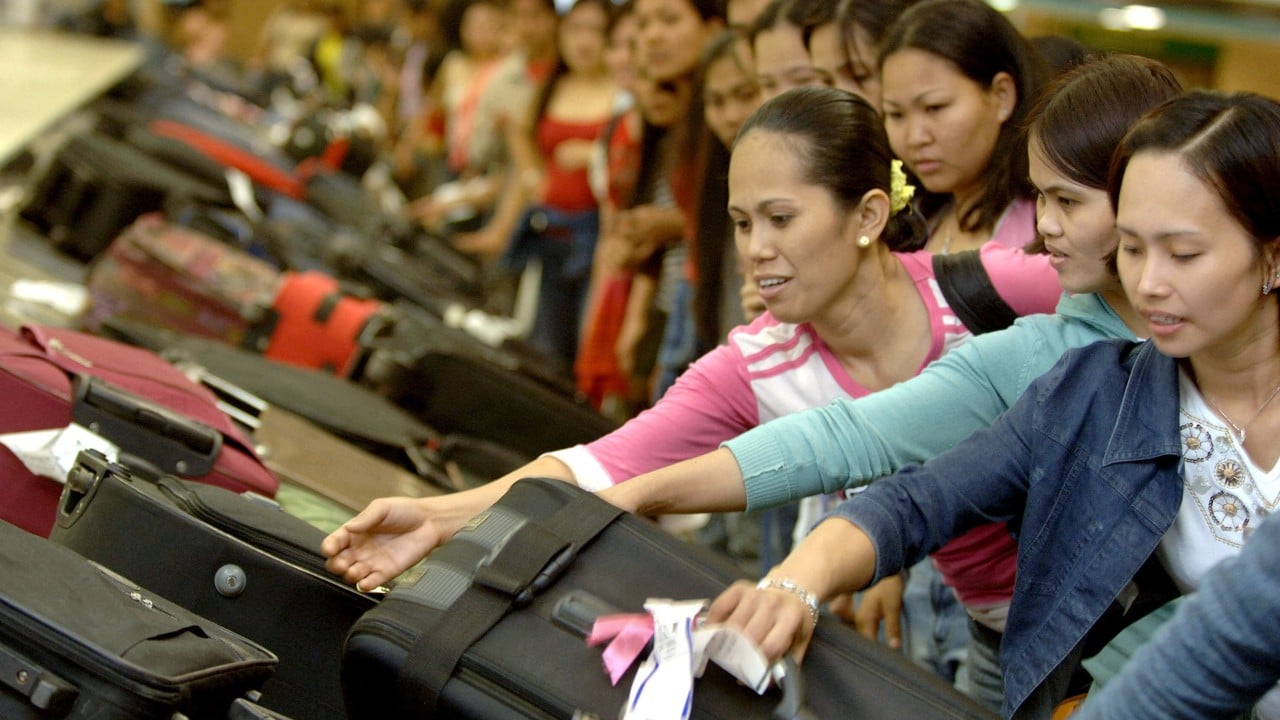
The tape makes a specific, tearing shriek in the quiet of a Manila apartment at two in the morning. It is a sound heard in millions of households across the Philippines, regular as a heartbeat, predictable as the tide. Wrap it tight. Double the corners. Pack the spaces between the canned meat and the heavy bottles of shampoo with rolled-up socks.
This is the ritual of the balikbayan box. It is a cardboard chest of devotion, a physical manifestation of absence. Every year, millions of these boxes arrive in the archipelago, sent from Hong Kong, Dubai, Los Angeles, and London. They smell of foreign supermarkets and packing tape. To the children waiting at home, they smell like a holiday.
But if you look closer at the cardboard, past the bold marker ink listing the destination address, you see the real cost. The box is not just full of spam and sneakers. It is filled with missing birthdays, unheld hands, and the slow, agonizing erosion of a nation’s nuclear family.
For decades, the standard narrative surrounding the Filipino exodus has been economic. The data is clear, cold, and massive. Roughly ten percent of the Philippine population lives and works abroad. The money they send back—the lifeblood known as remittances—accounts for nearly ten percent of the country’s entire Gross Domestic Product. In the hallways of government buildings in Manila, these workers are officially branded Bagong Bayani. The New Heroes.
Heroes bleed. These ones bleed time.
Consider a hypothetical woman named Maria. She represents a very real, statistically verifiable archetype in modern Filipino life. Maria is twenty-four, holds a bachelor’s degree in education, and earns less than three hundred dollars a month teaching forty-five energetic children in a provincial public school. Her salary cannot cover her father’s insulin, her brother’s tuition, and the rising cost of rice.
One afternoon, she signs a contract. Within two months, she is in an apartment in Singapore, waking up at five in the morning to clean floors, wash dishes, and care for someone else's children. She has traded her classroom pointer for a mop. She has traded her country for a lifeline.
The economic engine of the Philippines relies on this exact trade. It is a deliberate, systemic export of human labor. When a country cannot generate enough high-quality jobs at home to sustain its educated population, it defaults to exporting the people themselves. It is a safety valve that prevents domestic unrest by shipping the frustration overseas, converting human potential into steady foreign currency.
But what happens to the social fabric when a country’s primary export is parents?
The consequences manifest in small, quiet ways. A child looks at a smartphone screen, watching a mother they haven't touched in three years blow a kiss through shaky video-call pixels. The time difference dictates the relationship. Midnight in Riyadh is five in the morning in Manila. Conversations are truncated, reduced to hurried reminders about homework and health.
The psychological toll on the left-behind generation is immense. Studies on Filipino transnational families consistently reveal a complex emotional landscape. Children of overseas workers often grow up material-rich but relationship-poor. They wear the latest branded shoes sent from abroad, but they walk to school alone. There is a profound sense of abandonment that no amount of imported chocolate can sweeten.
The country is trapped in a cyclical paradox. The money sent home funds private education, builds sturdy concrete houses in the provinces, and stimulates local economies. It creates a middle class that wouldn’t otherwise exist. Yet, the very education funded by overseas money often equips the next generation with the exact skills needed to leave. The daughter of the domestic worker becomes a nurse, not to work in Manila where the pay is dismal, but to find a path to Texas or Toronto.
The exit door is always open. It is a generational conveyor belt.
The government heavily regulates this diaspora, processing thousands of overseas employment certificates daily. It is a highly organized, efficient bureaucratic machine. It treats human beings as units of economic value, cataloged by occupation: domestic helper, seafarer, nurse, engineer, IT specialist.
But human beings do not experience life as economic units. They experience it in the coldness of a North Sea winter on a cargo ship, or the isolation of a tiny maid’s room in a high-rise apartment complex. They experience it in the sudden, terrifying realization that they no longer know their own children.
When overseas workers finally return home after a contract ends, the reunion is rarely the cinematic masterpiece depicted in television commercials. It is awkward. The mother who left a toddler returns to find a sullen teenager who views her as a generous stranger rather than a parent. The authority has shifted to aunts, grandmothers, or elder siblings. The returning worker feels like a ghost walking through their own home.
This is the invisible crisis facing the archipelago. The economic numbers look spectacular on paper. The GDP grows, the shopping malls multiply, and the skyscrapers rise in the financial districts of Manila. But these structures are built on a foundation of separation. The country is effectively outsourcing its parenting, its intimacy, and its domestic care to wealthier nations, leaving a hollowed-out social core at home.
The reality of the exodus challenges the very definition of success. If a system requires a mother to leave her own children to raise the children of strangers just to buy groceries, that system is not working. It is failing, no matter how high the remittance figures climb.
The tape runs out. The box is sealed.
Maria sits on the packed cardboard, wiping sweat from her forehead in the humid Manila night. Tomorrow, she boards a plane. She will look out the window as the lights of her home city shrink into the dark ocean, carrying the weight of an entire family on her shoulders, leaving behind the only life she ever wanted to live.
:max_bytes(150000):strip_icc()/parts-of-a-swamp-cooler-2718628-a477e6f0787b4f8bb62ddf2def31d495.png)