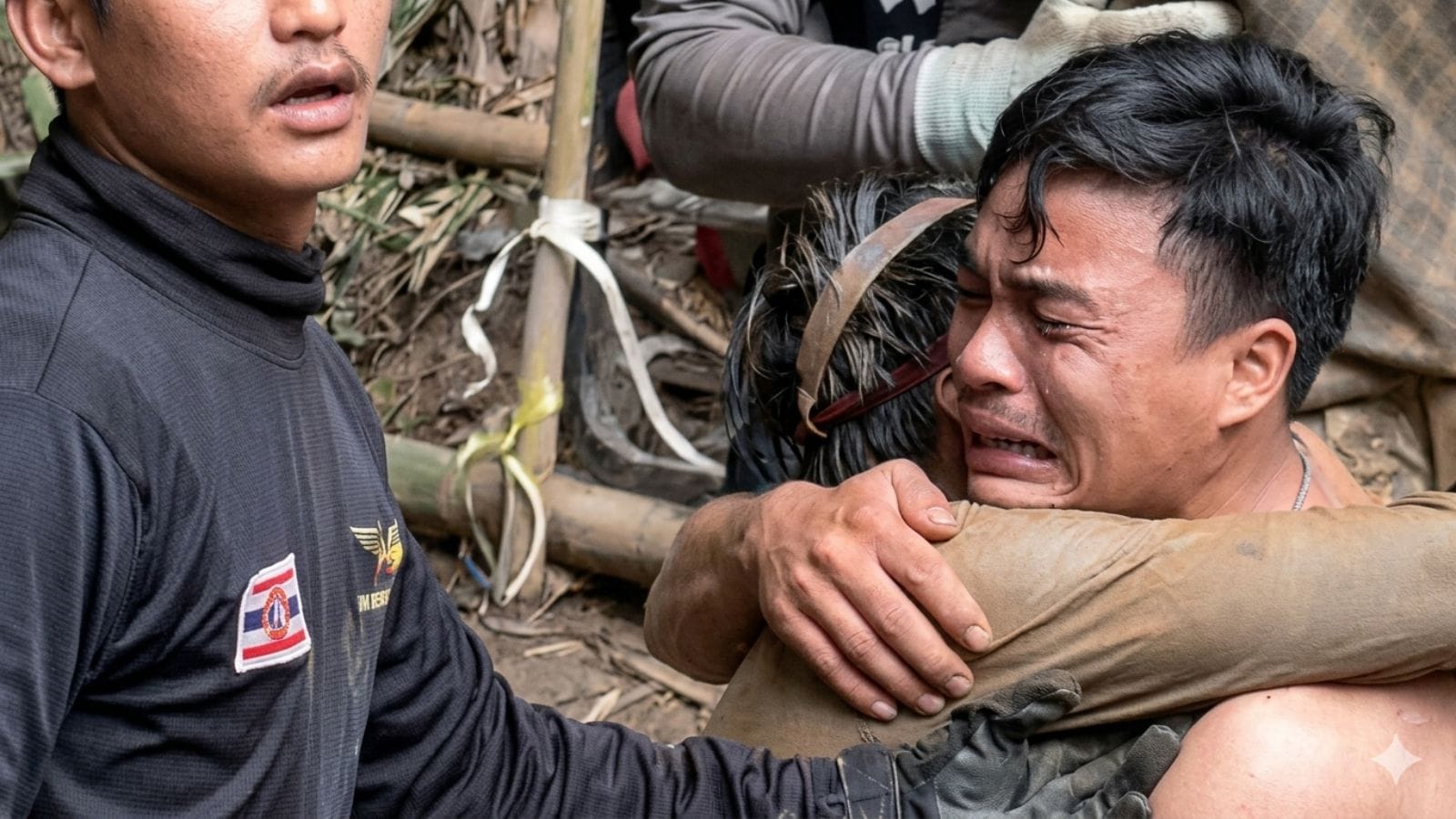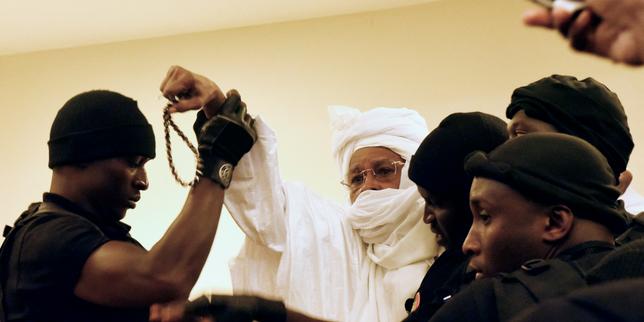
The plastic chairs under the acacia tree were melting in the Chad heat, but Clément Abaifouta did not move. He sat with a stack of yellowing documents clutched to his chest like a shield. For decades, his life had been defined by paper. Warrants. Affidavits. Judgment sheets. In 2016, when a special tribunal in Dakar sentenced the former Chadian dictator Hissène Habré to life imprisonment for crimes against humanity, Clément wept. It felt like the dawn of something sacred. The world cheered. Human rights lawyers drank champagne in elegant European salons, hailing a historic victory for African international justice.
But history books are written in ink. Survival is lived in the dirt.
Today, Habré is dead, having succumbed to Covid-19 in a Senegalese prison in 2021. The international cameras have packed up and moved on to newer, fresher tragedies. Yet, for the tens of thousands of survivors in Chad, the ledger remains devastatingly blank. The court had ordered a massive compensation package—roughly 82 billion CFA francs, or about 130 million dollars—to be distributed to more than 7,000 victims.
To date, the victims have received virtually nothing.
The courtroom victory was a masterpiece of legal engineering. The reality left behind is a ghost town of broken promises. This is the story of what happens when the global justice machinery achieves its perfect verdict, packs its bags, and leaves the victims holding a piece of paper they can neither eat nor use to buy medicine.
The Anatomy of an Empty Victory
To understand how a historic triumph curdles into betrayal, you have to look at the machinery of international courts. When the Extraordinary African Chambers delivered their verdict, they did something unprecedented. They proved that an African nation could try a former African head of state on African soil. It was a monumental achievement for jurisprudence.
Then came the logistical collapse.
The tribunal ordered that the compensation be funded through Habré’s seized assets and a dedicated African Union trust fund. It sounded logical. Robust. Definitive. But finding a dictator's hidden wealth is like chasing smoke through a hurricane. Habré’s visible assets in Senegal were meager compared to the vast sum owed. The African Union Trust Fund for Victims, though officially established, languished for years in bureaucratic limbo. It existed on letterheads and in press releases, but its bank accounts were largely empty shells.
Consider the mechanics of a typical international trust fund. Wealthy Western donor nations are often eager to fund the glamorous parts of justice. They will happily pay for the flights of international judges, the high-tech translation booths, and the security details for high-profile prosecutors. These things look good in annual reports. They demonstrate a commitment to the rule of law.
But direct cash payouts to victims? That makes treasury departments nervous. It looks too much like open-ended foreign aid. It lacks the clean, measurable metrics of a completed trial. The result is a cruel paradox: millions of dollars are available to convict the monster, but not a cent can be found to heal the scars he left behind.
The Human Cost of High-Minded Delays
Let us step away from the legal jargon and look at what this delay actually means on the streets of Ndjamena. Hypothetically, let us imagine a woman named Fatimé. In 1985, she was dragged into the underground cells of Habré’s notorious political police, the DDS. She survived the waterboarding, the electric shocks, and the psychological torment that broke so many others. When she emerged, her health was shattered. Her family’s livelihood was gone.
For thirty years, Fatimé held onto one hope: that someday, the state would admit what it did and help her put her life back together.
When the 2016 verdict was announced, Fatimé calculated her expected share of the compensation. It wasn't fortune-seeking; it was survival arithmetic. She needed a hip replacement from injuries sustained during her detention. She wanted to buy a small piece of land to secure her grandchildren’s future.
Ten years after the verdict, Fatimé is still waiting. Her eyesight is failing. Her limp is worse. The money that was legally promised to her remains locked behind an endless sequence of international meetings, diplomatic hand-wringing, and jurisdictional finger-pointing.
Fatimé is not alone. Every month, the Association of Victims of the Crimes of Hissène Habré’s Regime updates its ledger. But they aren't adding new members. They are crossing names out. The survivors are elderly. They are impoverished. They are dying in silence, holding court judgments they cannot cash.
The tragedy is that this delay acts as a second victimization. The first time, Habré took their youth and their peace. The second time, the international community took their hope, replacing it with a cruel tease of justice that remains forever out of reach.
The Chadian Government’s Convenient Amnesia
The blame does not rest solely on the shoulders of distant international bureaucrats in Addis Ababa or Dakar. The government of Chad itself has played a masterclass in political evasion.
In 2015, a domestic court in Ndjamena actually convicted dozens of Habré’s former henchmen, many of whom had maintained powerful positions within the state apparatus. That local court ordered the Chadian government to pay half of a 75-million-dollar reparation package to the victims. It also ordered the creation of a monument to honor those who died in the DDS dungeons, and turned the former DDS headquarters into a museum of remembrance.
Walk through Ndjamena today. You will find no monument. The former torture centers are either rotting in neglect or repurposed for bureaucratic use. The Chadian state has repeatedly pleaded poverty, pointing to regional instability, drop in oil prices, and security crises in the Sahel to justify why the victims must wait.
Yet, resources are always found for military parades, new weapon systems, and government infrastructure. The truth is uncomfortable: the victims are politically inconvenient. They are a living reminder of a dark era that many current elites would prefer to bury in the sand. By delaying payouts, the state simply plays the long game, waiting for old age to solve their problem for them.
Redefining What Justice Actually Means
We have been conditioned to view justice as a courtroom drama. We want the cinematic climax: the gavel falling, the villain being led away in handcuffs, the victims weeping tears of relief in the gallery. We treat the verdict as the finish line.
It is an illusion.
True justice is not a singular event; it is a long, grinding process of restitution. If a court declares that a wrong must be righted, but lacks the political will or the practical mechanism to enforce that righting, it has not delivered justice. It has delivered theater.
For the international community, the Habré trial was a triumph because it set a legal precedent. It proved a point. But for the person who lost their father, their husband, or their own bodily integrity to a dictator's thugs, a legal precedent cannot buy food. It cannot pay for a doctor. It cannot restore dignity.
To bridge this gap, the entire architecture of international criminal justice needs a radical overhaul. Trust funds for victims must be capitalized before the trial begins, not as an afterthought. Donor nations must view reparations not as charity, but as an inseparable component of the judicial process itself. If you can afford to build the courtroom, you can afford to pay the victims.
The Ledger That Refuses to Close
The sun began to dip below the horizon in Ndjamena, casting long, stark shadows across the dusty courtyard where the survivors meet. Clément Abaifouta carefully placed his documents back into a worn leather briefcase. He has given hundreds of interviews. He has spoken to foreign journalists, UN envoys, and human rights researchers. His voice is tired, but it does not waver.
The international community got what it wanted from Chad. It got its landmark ruling. It got its speeches. It proved its theories.
The people who paid the price for that proof are still waiting in the heat, watching the horizon for a payout that may never arrive, their victories neatly recorded in books they will never read, while their lives remain exactly as they were before the judges arrived.