The rain in the hills does not fall; it arrives like a physical blow. You hear it first against the corrugated tin of the roof—a deafening rattle that quickly turns into a rhythmic roar—and then the red earth begins to move.
In Kathmandu, the monsoon is an old adversary. People watch the swollen Bagmati river rise against the stone pillars of ancient temples, measuring survival in inches. But when the skies finally broke over central Nepal with a fury that transformed hillside pathways into churning brown torrents, washing away homes, bridges, and entire slices of highways, the world outside braced for the usual sequence.
Foreign cargo planes. Emergency tents stamped with the logos of distant nations. Medical teams in pristine uniforms stepping off tarmac runways.
Except this time, the phone call never came.
Instead, the government in Kathmandu did something that startled the international disaster-relief machinery. They looked at the mud-choked valleys, counted the missing, measured the grief, and said no.
We can handle this ourselves.
To understand why a country battered by a devastating flood would turn away global aid, you have to understand the anatomy of pride forged in stone and isolation. You have to walk through the narrow alleyways of Bhaktapur or the terraced fields of Kavrepalanchok after the waters recede. The wreckage is absolute. Entire families displaced, livestock swept downriver, decades of backbreaking labor turned into silt.
Yet, beneath the despair runs a stubborn, quiet current of self-reliance.
Foreign aid has a rhythm of its own. It moves with the ponderous weight of bureaucracy, international procurement, cargo manifests, and diplomatic clearances. By the time a multinational relief convoy navigates customs and reaches a remote Himalayan village, the people there have already done what human beings have done for millennia. They have dug each other out with their bare hands. They have shared pots of dhal bhat over open fires. They have pulled their neighbors from the debris using ropes woven from hemp and sheer willpower.
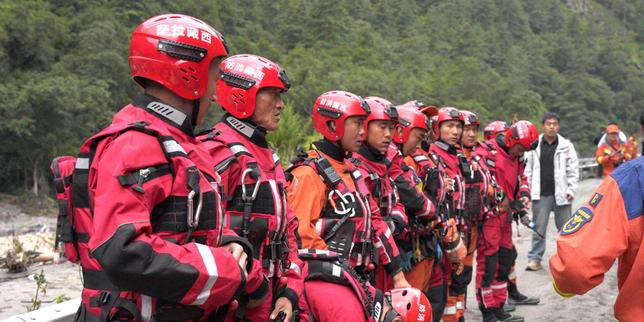
When officials announced that domestic resources, local disaster management funds, and the tireless boots of the Nepalese army and police would suffice, critics called it stubbornness. They whispered about pride standing in the way of pragmatism.
They missed the point entirely.
Consider what happens when a community takes its recovery into its own hands. Outside aid, however well-intentioned, often arrives with an invisible blueprint. It imposes foreign logistics on local terrain. It brings supply chains that bypass local markets, sometimes inadvertently crushing the very local economies it aims to support.
Nepal’s decision was not a rejection of solidarity. It was a recognition of sovereignty in the mud.
Walking through a temporary displacement camp in the days following the deluge, the atmosphere was not one of helpless waiting. There were no crowds pressing against perimeter fences for foreign rations. Instead, local youth clubs—organizations of teenagers and young adults who usually spend their afternoons drinking chiya and discussing cricket—had transformed into logistics hubs. They carried sacks of rice on their backs across makeshift timber bridges. They boiled drinking water in giant copper vats.
This is the invisible infrastructure of the Himalayas. It is not written in government budgets or international treaties. It is encoded in the social contract of the village, where your neighbor's roof is your roof, and your grief is shared across the courtyard.
There is a profound vulnerability in saying we do not need help. It invites judgment. It dares the world to watch and wait for failure. But it also reclaims agency. For too long, developing nations struck by natural disasters have been cast exclusively in the role of the passive victim, waiting on the global stage for the beneficence of wealthier capitals.
Nepal’s refusal of foreign rescue aid rewrites that script. It says that dignity is not a luxury to be set aside in an emergency. It says that local hands, though calloused and trembling with exhaustion, are capable of holding their own sky up.
The monsoon clouds are clearing now. The rivers are shrinking back to their jagged beds, leaving behind a crust of gray silt that dries and cracks under the fierce mountain sun. The rebuilding will take years, not weeks. The scars on the hillsides will remain long after the new houses are built.
Yet, somewhere in a valley where the roar of the river has finally quieted to a murmur, a family is clearing the mud from their doorway. They are not waiting for a cargo plane to land. They are working together, passing buckets from hand to hand, standing tall in the ruins of what they built, ready to build it all over again.