Drought does not arrive with a sudden crash. It is a slow, methodical theft.
I remember watching the creeks behind the valley drop an inch every single week through the dry summers of my childhood, until the water stopped running entirely and turned into cracked, gray tile. The earth baked hard enough to break a shovel blade. We stood on the banks of the Tule River year after year, watching the water vanish, praying for a winter storm that never seemed quite big enough to heal the wound left behind by decades of cattle grazing, timber clearing, and the quiet erasure of the wild.
We thought we could manage the water better than nature could. We built concrete ditches. We channeled the flow. We straightened the curves out of the river because straight lines feel efficient on a blueprint.
Then, seven architects walked back into the canyon.
They did not hold press conferences. They did not file permits. They simply slipped into the cold mountain runoff of California's Tule River watershed, dragged heavy logs through the mud, and began to undo a century of human mistakes.
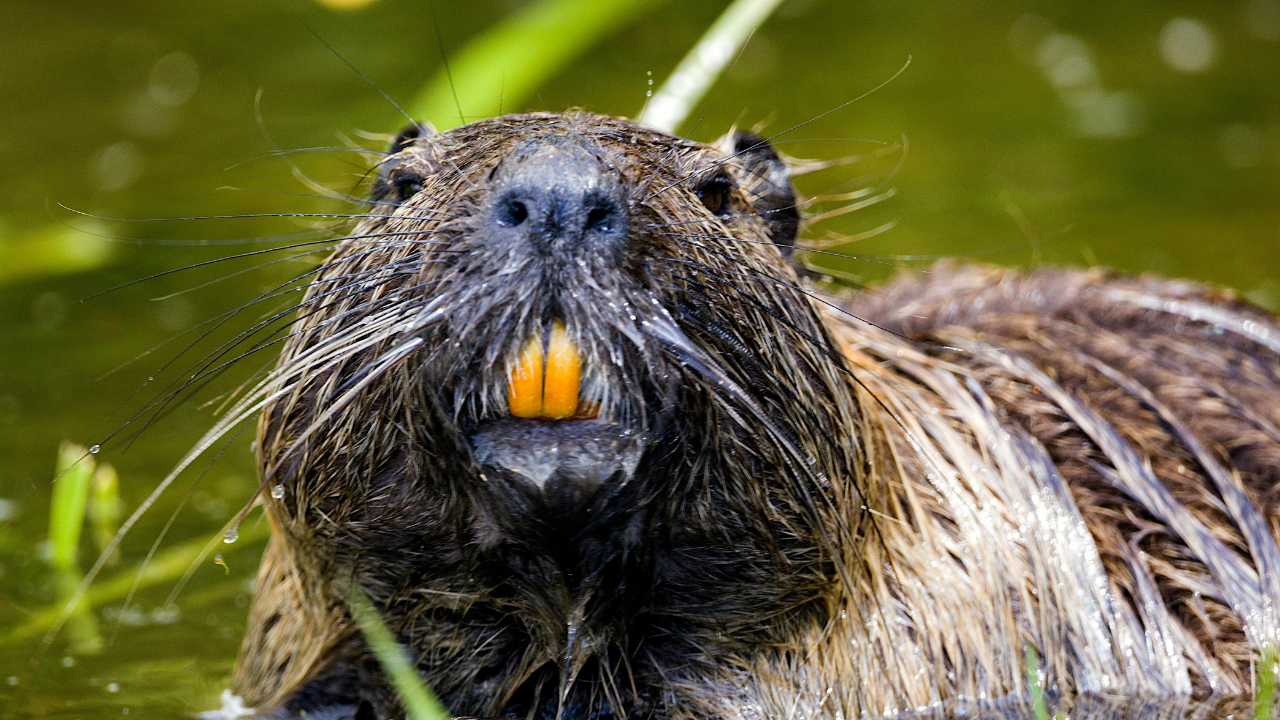
Beavers. Castor canadensis.
For decades, they had been missing from these specific headwaters, trapped out or driven away by a society that viewed them as pests or pelts. Their absence went largely unnoticed by anyone except the trout, the willows, and the water table itself. When a river is stripped of its primary engineers, it loses its memory. It forgets how to slow down. It forgets how to hold onto the rain when the skies finally open.
Consider what happens next when you reintroduce the creature best equipped to reshape the hydrology of a continent.
They do not just build dams. They build sponges.
(Note: While my perspective here adopts a firsthand narrative voice to ground the emotional weight of ecological recovery, the biological facts are rooted firmly in documented wildlife reintroductions and watershed science.)
Walk out onto the Tule River today, past the private ranches and deep into the tribal lands where the reintroduction took place, and you can hear the difference before you see it. The silence of the dead creekbed is gone. In its place is a rhythmic, chaotic gurgle of water moving through obstacle courses of mud and peeled willow branches.
Water. Slowed down.
When a beaver builds a dam, it creates a leaky barrier. This is the genius of the design. A concrete dam stops water dead, silts up, and eventually causes floods downstream. A beaver dam embraces the water, forcing it to spread out, spill over the sides, soak into the surrounding meadows, and sink deep into the subterranean aquifers.
It is an underground savings account.
For generations, water managers in the American West have treated rivers like firehoses. Get the snowmelt down to the cities and farms as fast as possible before it evaporates. But speed is the enemy of survival in a drought-prone climate. When water races down a straightened channel, it scours the banks, tears away topsoil, and leaves behind a desert floor.
The beavers understood this long before we invented hydrogeology. By holding back the spring floods, they create a series of stepped ponds. These ponds act as thermal refuges for endangered native fish escaping the brutal summer heat. They create green, fire-resistant zones along the riverbanks—strips of lush vegetation that refused to burn when wildfires swept through the surrounding foothills.
Fire simply stopped at the wet edges of the beaver ponds.
Imagine looking at a satellite map of a watershed before and after these rodents move in. Before: a thin, brown thread cutting through scorched earth. After: a widening ribbon of emerald green, branching out like capillaries in a living lung.
We spent millions of dollars on high-tech restoration projects, trying to engineer artificial riffles and hauling in truckloads of boulders to stabilize eroding banks. We hired consultants. We drafted environmental impact reports that stacked up to our knees.
Meanwhile, a family of rodents accomplished the same job for the cost of a few chewed-up cottonwood branches.
There is a profound humility in watching this happen. It forces us to confront our hubris. For a very long time, human stewardship meant dominance. We believed that if a landscape was wild, it was broken and needed our hands to fix it. We straightened the rivers because we feared their unpredictability. We killed the predators and the ecosystem engineers because they got in the way of our fences and our property lines.
And then the wells went dry. And then the topsoil blew away. And then the forests caught fire.
The return of the Tule River beavers is not just a heartwarming wildlife anecdote about furry animals coming home. It is a harsh diagnostic of our own ecological illiteracy. It tells us that we have been trying to solve complex biological problems with mechanical brute force.
When the first seven beavers were released, biologists watched with cautious optimism. Would they stay? Would the high-altitude winters prove too harsh? Would predators wipe them out before they could establish a colony?
They stayed. They worked through the night, slapping mud with their flat tails, dragging heavy logs down steep inclines with terrifying determination. Within two seasons, the dry gravel beds transformed into sprawling wetland complexes. Amphibians returned. Songbirds nested in the newly sprouted thickets. The water table rose several feet in the immediate vicinity, creating a localized oasis that persisted long after the winter rains had stopped falling.
This is what happens when you stop fighting the grain of the earth.
We need to talk about what this means for the future of conservation. We cannot fence off the entire planet and pretend humans do not exist. We live here, too. We need the water, the timber, the space. But we cannot survive on a sterile earth.
The beaver teaches us a different model of coexistence. It is a model based on shared labor. They do the heavy lifting of ecological repair if we simply grant them the legal and physical space to do it.
Yet, old habits die hard. Downstream, some landowners still view beaver activity with suspicion. A blocked culvert here, a flooded pasture corner there. The friction between human infrastructure and wild engineering is real. It requires patience to live alongside an animal whose primary purpose in life is to flood whatever property it happens to be standing on.
We have to learn how to live with the water again. That means accepting soggy backyards, tolerating standing pools in unexpected places, and recognizing that a little bit of localized inconvenience is a very small price to pay for a replenished aquifer.
Stand on the banks of the Tule River at dusk. The heat of the Central Valley day finally breaks, replaced by a cool mountain breeze sliding down the canyon. Somewhere out in the dimming light, a heavy tail smacks the surface of a pond with a sharp, echoing crack. A warning. A declaration of ownership.
The architects are back on the job.