The Architecture of Exhaustion
The final weekend before a major national election is less about policy persuasion and more about logistical warfare. Modern presidential campaigns spend millions of dollars in their closing 72 hours, orchestrating multi-state swings designed to do one thing: engineer maximum media saturation while driving base turnouts to critical limits.
Standard reporting often treats these final campaign pushes as spontaneous bursts of energy. Political commentators fixate on rally crowd sizes, candidate hoarseness, or fiery rhetoric delivered in airport hangars at 11:00 PM. But focusing solely on the spectacle misses the structural machinery driving the operation. Behind every late-night rally in a swing state lies a cold, calculated strategy driven by internal polling algorithms, media market efficiency, and targeted voter mobilization. You might also find this related article insightful: The Structural Mechanics of the 2026 Midterm Elections and the Incumbency Penalty.
+-----------------------------------------------------------------------+
|                       FINAL WEEKEND MECHANICS                         |
+-----------------------------------------------------------------------+
|                                                                       |
|   1. Targeted Ad Spikes  -->  Flooding Local Broadcast Markets        |
|   2. Micro-Targeted GOTV -->  Driving Low-Propensity Base Voters      |
|   3. Earned Media Dominance -> Forcing Free Local Cable Coverage       |
|                                                                       |
+-----------------------------------------------------------------------+
Why Late-Stage Rallies Target Local Earned Media
The primary objective of a late campaign rally is rarely to convert undecided voters in the room. By the final weekend, the vast majority of voters have already locked in their choices or submitted early ballots.
The real target is local television news. As highlighted in detailed articles by NPR, the results are worth noting.
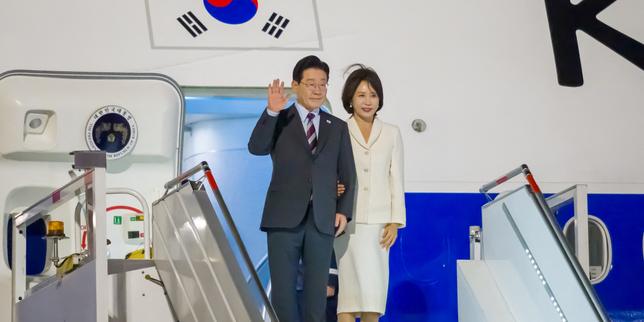
National cable networks provide broad visibility, but local broadcast affiliates in key media markets command far higher trust among late-deciding and low-propensity voters. When a candidate lands a campaign plane on an airport tarmac in a swing district, local evening newscasts lead with live coverage. That localized broadcast exposure costs the campaign zero dollars in ad buy spending while generating millions in earned media value.
+-----------------------------------------------------------------------+
|                      EARNED MEDIA IMPACT MODEL                        |
+-----------------------------------------------------------------------+
|  [ National Cable Run ]  --> High Saturation / Low Local Trust        |
|  [ Local Broadcast Run ] --> High Local Trust  / High Voter Precision |
+-----------------------------------------------------------------------+
Mobilizing the Low-Propensity Core
Traditional political campaigns relied heavily on party machinery, precinct captains, and union halls to knock on doors and bring voters to the polls. Modern operations, however, increasingly lean on external organizations and targeted digital outreach.
The primary task during the final stretch is non-voter activation.
- Identifying Irregular Voters: Campaigns leverage commercial consumer data to identify individuals who support their platform but rarely vote in off-year or non-presidential cycles.
- Identity-Driven Mobilization: Rather than arguing over legislative nuances, messaging in the final hours focuses on cultural identity, urgency, and direct stark choices.
- Logistical Support: Directing high-yield voters to early voting locations or providing transportation arrangements on Election Day.
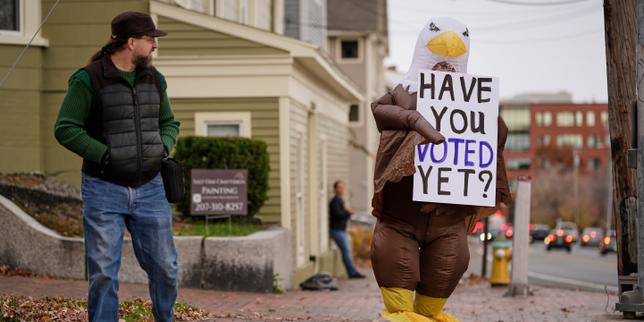
A high-intensity campaign blitz acts as a signal flare to these irregular voters. The overwhelming sense of urgency generated by constant rallies serves to lower the friction of turning out to vote.
The Financial Friction of the Final 72 Hours
Executing a multi-city tour in the final days of a national campaign incurs immense operational overhead. Chartering jumbo jets, securing arena venues, coordinating local law enforcement, and setting up multi-camera broadcast feeds strain campaign treasuries at the exact moment resources are depleted.
+-----------------------------------------------------------------------+
|                        CAMPAIGN RESOURCE ALLOCATION                   |
+-----------------------------------------------------------------------+
| Resource Category        | Primary Strategic Objective                |
+--------------------------+--------------------------------------------+
| Air Charter & Logistics  | Rapid geographic mobility across states    |
| Paid Media Surges        | Saturating remaining broadcast time slots   |
| Ground Operations        | Direct voter contact via turnout networks  |
+-----------------------------------------------------------------------+
If a campaign misjudges its internal polling metrics during this critical window, millions of dollars in late stage travel and advertising can be wasted on regions that were already secure or completely unviable.
The Psychological Limits of the Marathon
Physical exhaustion is an underreported factor in late-stage campaign dynamics. Candidates routinely operate on two to three hours of sleep per night while delivering lengthy speeches under heavy lighting in multiple time zones.
This environment increases the risk of unforced verbal errors, tangential departures from TelePrompter scripts, and visible fatigue. Yet, campaign managers push their candidates to the brink because the perceived cost of stopping—giving up even a single news cycle to the opposing party—is considered far too high.
The closing push of a campaign is fundamentally a test of operational capacity, message discipline, and voter turnout precision. Understanding these underlying mechanics shifts the perspective from viewing campaign events as pure theater to recognizing them as calculated infrastructure operations designed for maximum electoral yield.