The 2026 UEFA Champions League final between Paris Saint-Germain and Arsenal at the Puskás Aréna marks the arrival of Europe’s ultimate sporting spectacle in Budapest. While millions of fans tune in to watch a tactical masterclass between Luis Enrique’s attacking juggernaut and Mikel Arteta’s defensively elite Premier League champions, the match itself is only half the story. The choice of Budapest as the host city highlights a deep intersection of football, massive infrastructure spending, and significant political shifts in Hungary. This showpiece event represents the literal and figurative peak of a multi-billion-dollar stadium boom originally orchestrated to project national prestige, arriving at a moment when the country's political landscape has fundamentally shifted.
The Irony of the Puskás Aréna Showpiece
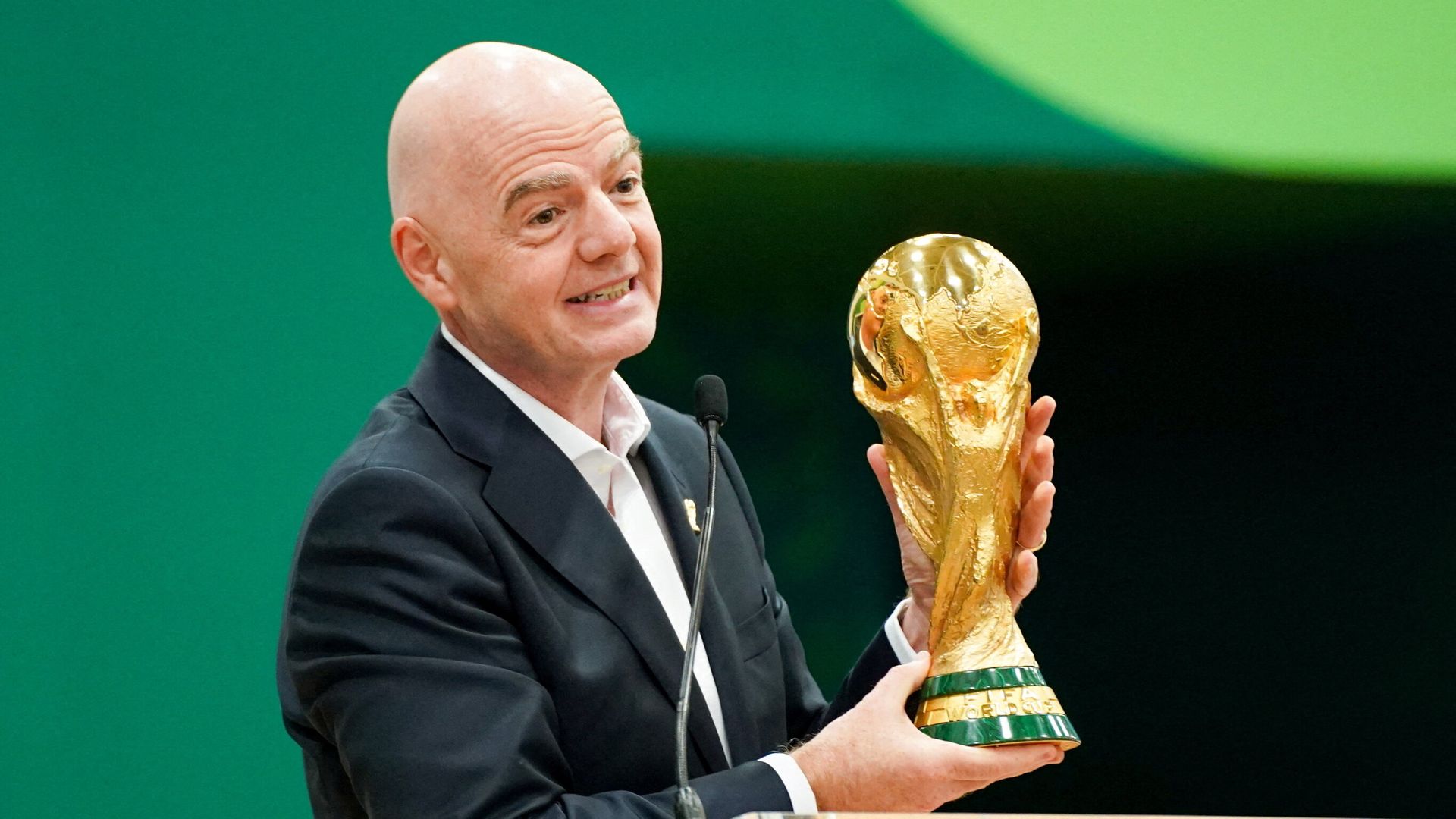
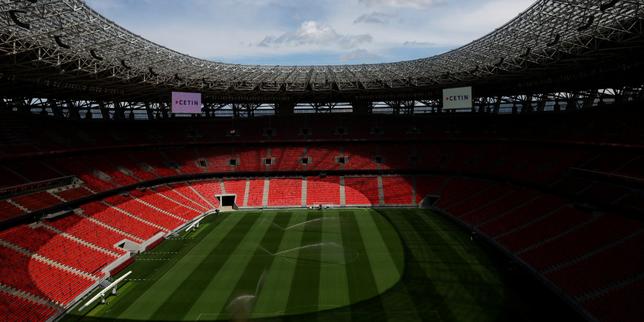
UEFA president Aleksander Čeferin has called the 67,000-seat Puskás Aréna the jewel in Hungarian football's crown. The stadium is undeniably magnificent. Built on the bones of the old Ferenc Puskás Stadion, it blends historic brickwork accents with a futuristic, undulating steel mesh exterior. It possesses world-class logistics and top-tier hospitality suites.
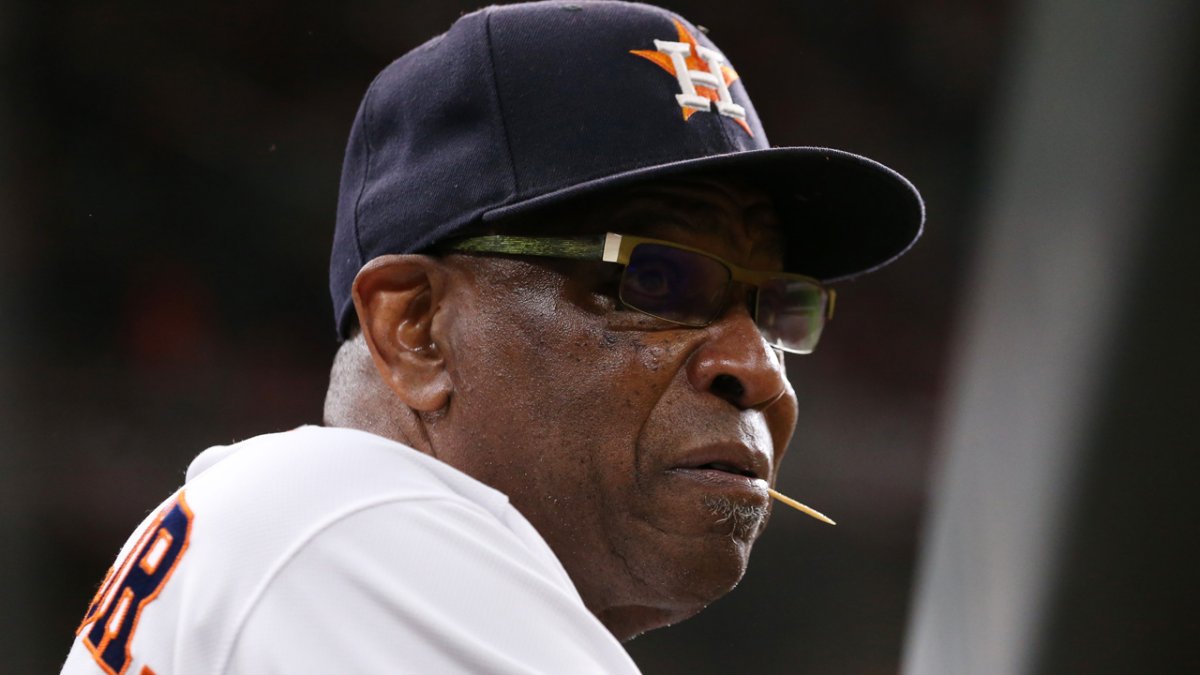
The profound irony is that the man who spent a decade spending public funds to construct this footballing palace is no longer in office to claim the victory lap.
Former Prime Minister Viktor Orbán made football infrastructure a central pillar of his administration after reclaiming power in 2010. He viewed the sport as a vehicle for national pride and political cohesion. Dozens of modern arenas sprouted across the country under his tenure. Now, as Budapest finally welcomes Europe's grandest game, Orbán has been voted out. His successor, Péter Magyar, views these gleaming structures with a much more critical eye, frequently pointing out that grassroots sports and public services were neglected to pay for them.
Football as a Tool for Political Projection
To understand how the Champions League final ended up in Budapest, one must understand how Hungarian football was used as a tool for political projection over the last fifteen years.
When Orbán returned to power, the domestic game was in ruins. Stadiums were crumbling, attendances were abysmal, and the national team was a distant memory on the world stage. Orbán, who played in the Hungarian lower leagues himself, initiated a sweeping transformation. Through corporate tax-break schemes known as TAO funds, billions of euros that would have otherwise entered the state treasury were redirected toward football academies, professional clubs, and stadium construction.
| Infrastructure Project | Estimated Cost | Political/Cultural Context |
|---|---|---|
| Puskás Aréna | €550+ Million | Built as a national monument to secure elite UEFA hosting rights. |
| Pancho Aréna | €12+ Million | A luxury, organic-architecture stadium built in Orbán’s hometown of Felcsút. |
| Groupama Aréna | €40+ Million | Home to Ferencváros, a club deeply tied to the political establishment. |
This massive capital injection stabilized clubs financially and built world-class facilities, but it created an artificial ecosystem. Critics pointed out a stark reality. While elite stadiums look spectacular on television, the underlying domestic league remains heavily reliant on state-directed corporate sponsorship rather than organic commercial growth.
A Tale of Two Modern State Projects
The final match features a fascinating mirror image of football’s modern financial reality. On one side stands Paris Saint-Germain, a club built into a global powerhouse through Qatari state ownership. After a decade of heavy spending, they achieved their ultimate goal by winning the trophy last season, and they look to defend it using a dynamic, younger squad led by Khvicha Kvaratskhelia. On the other side stands Arsenal, representing the massive commercial dominance of the English Premier League, a competition so wealthy it functions as its own economic superpower.
Budapest provides the perfect stage for these entities, but the ground beneath the stage has shifted. For years, major sporting events hosted in Hungary served to launder the reputation of an increasingly isolated, Russia-leaning government. By welcoming tens of thousands of French and British fans into a pristine, hyper-efficient capital city, the previous administration sought to project an image of stability and cultural dominance to Western Europe.
The current political reality tells a very different story. The election of the pro-European Péter Magyar just a month and a half ago means the Champions League final is being recontextualized. Instead of acting as a monument to authoritarian endurance, the match is being utilized by the new government as a massive platform to signal a more open, transparent, and cooperative Hungary within Europe.
The Logistics of a High-Stakes Final
Away from the political suites, the practical execution of the event is a massive undertaking for Budapest's infrastructure. UEFA shifted the kickoff time to 18:00 CET. This earlier slot is designed to optimize matchday logistics, allowing fans to disperse safely and reducing the strain on the city’s transport grid late at night.
The city’s transit authority, BKK, has made public transport free for all ticket holders, mobilizing dedicated shuttle buses from Budapest Airport straight to central hubs. The fan zones reflect the distinct divide of the city. Arsenal fans are gathering at the Városliget Nagyrét near the historic Heroes' Square, while the PSG contingent is stationed at the MTK Sportpark.
All of these moving parts function seamlessly because the physical infrastructure was built to the highest possible specifications. The transport lines, the security perimeters, and the stadium access points were engineered precisely for this scale of international influx. The technical success of the event is undeniable, even if the financial path taken to achieve it remains highly controversial among local taxpayers.
The Long-Term Burden of Elite Arenas
The real test for Budapest begins after the fans leave and the temporary UEFA branding is stripped away. The long-term financial viability of mega-stadiums is a problem faced by host cities around the world. Maintaining a 67,000-seat elite venue requires millions of euros annually in operational costs.
While the Puskás Aréna successfully hosted the Europa League final in 2023 and has now secured the Champions League showpiece, these single-day events do not fund a stadium’s existence over a thirty-year lifecycle. The domestic national team matches and occasional stadium-filling concerts help plug the gaps, but the broader network of smaller, state-funded stadiums across Hungary faces a bleak financial future under an administration that is no longer willing to bankroll professional football at the expense of schools and hospitals.
The grand stadium infrastructure boom has achieved its ultimate goal by bringing the biggest match in club football to Budapest. The pitches are immaculate, the architecture is breathtaking, and the global audience will see a flawless broadcast. Yet, the gleaming structure of the Puskás Aréna stands as a monument to a political era that has already begun to fade, leaving the new leadership with the complex task of managing an expensive, elite sporting legacy.