Fear is a quiet, steady hum inside the J. Edgar Hoover Building right now. It isn't the usual stress of a high-stakes counterterrorism case or the grind of a white-collar sting. It’s the sound of career professionals realizing the rules of the game just vanished.
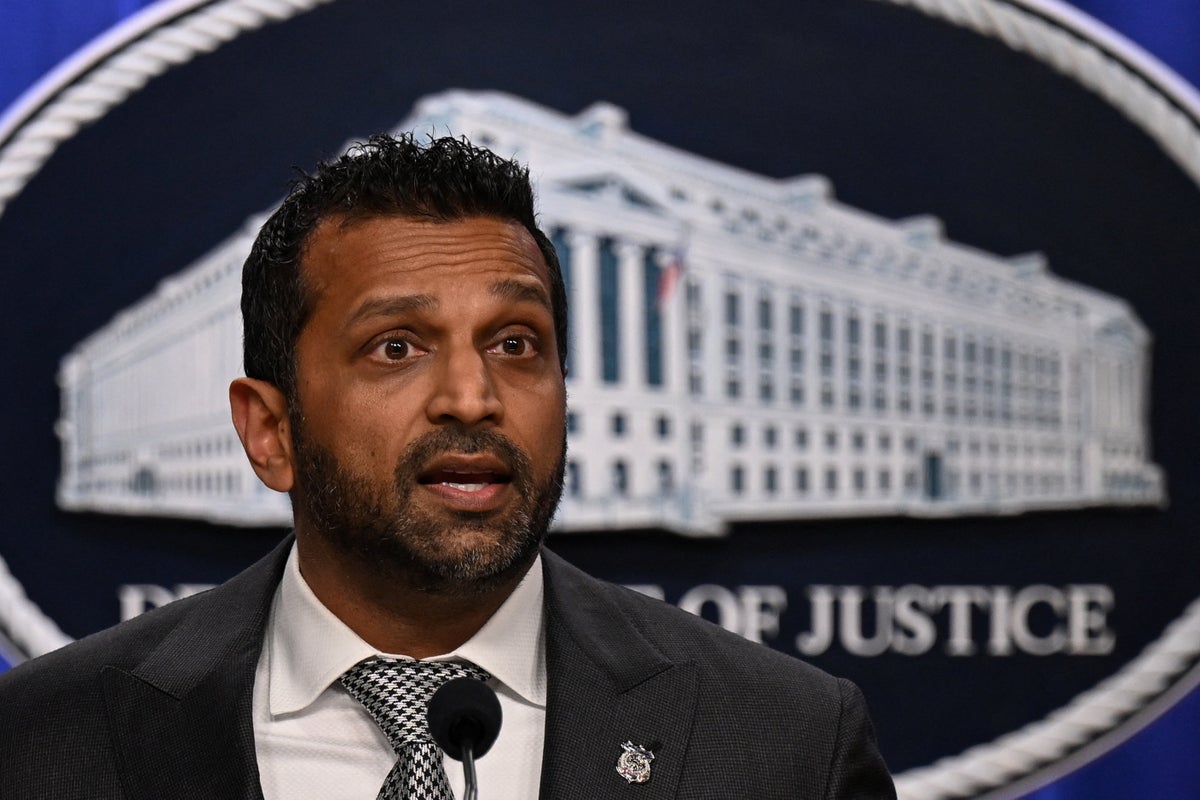
The latest firestorm involves reports that FBI agents have been ordered to open a criminal leak investigation into Atlantic journalist Sarah Fitzpatrick. Her crime? Reporting on FBI Director Kash Patel’s alleged "excessive drinking," erratic behavior, and habit of handing out custom-branded bourbon to staff while on duty.
This isn't a standard leak probe. Those usually involve top-secret documents that could get people killed if they end up in the wrong hands. This is about a reporter uncovering embarrassing personal details. Agents are reportedly "deeply concerned" because they’re being squeezed between a direct order from the top and the legal reality of the First Amendment.
The Dangerous New Standard for Leak Investigations
Historically, the Department of Justice has been extremely cautious about touching journalists. Under past administrations, you needed a mountain of evidence and the Attorney General’s personal sign-off just to look at a reporter’s phone records.
That buffer is gone.
In early 2025, Attorney General Pam Bondi rescinded Biden-era protections that shielded reporters’ records. The new policy introduces a messy "lawful newsgathering" clause that isn't clearly defined. Basically, if the government decides your reporting isn't "lawful," the gloves come off.
The investigation into Fitzpatrick is a perfect example of this shift. According to sources, the probe isn't even about classified information. It’s about who talked to her about Patel’s drinking habits and his "unexplained absences."
When you use the FBI’s "insider threat" unit—a group designed to stop spies and terrorists—to track down people talking about a boss’s booze brand, you aren't protecting national security. You're running a private security firm for the Director’s ego.
Why Rank and File Agents Are Panicking
If you’re an agent in that unit, you’re in a "damned if you do, damned if you don't" nightmare.
If you refuse the order, you’re insubordinate. In an administration that has prioritized "cleansing" the federal workforce of perceived enemies, that’s a one-way ticket to unemployment or a lateral transfer to a field office in the middle of nowhere.
But if you comply, you might be breaking the law. Investigating a journalist for routine newsgathering is a massive legal liability. Agents know that today’s "lawful order" can become tomorrow’s "civil rights violation" once a different administration takes over or a judge gets a look at the warrant.
The morale at the Bureau isn't just low; it’s non-existent. Agents see the agency being transformed into a tool for personal vendettas. When the FBI starts acting like a private investigator for its own Director, the public stops trusting the badge. That trust is the only thing that actually makes the job possible.
Beyond the Atlantic Reporter
This isn't an isolated incident. We’ve seen a pattern of "retaliatory probes" emerging over the last few months.
- Elizabeth Williamson (New York Times): The FBI investigated her for "stalking" after she reported on Patel using government resources to transport and protect his girlfriend. The Bureau eventually backed off, but the message was sent: if you dig into the Director’s private life, we will dig into yours.
- Hannah Natanson (Washington Post): Her home was raided in January 2026 after she reported on the administration’s federal workforce overhaul. This was a massive escalation. Raiding a reporter's home is a tactic you usually see in regimes that don't have a Constitution.
- Frank Figliuzzi (Former FBI): After he commented on Patel’s habits on television, the FBI opened an internal inquiry.
These aren't random events. They’re part of a broader strategy to make the cost of critical reporting too high to pay.
The Branded Bourbon and the Milan Trip
Let’s talk about the actual "leaks" that triggered this mess. Fitzpatrick reported that Patel has been distributing personalized bottles of Woodford Reserve bourbon to staff and even civilians during official business.
The Atlantic actually bought one of these bottles from an online auction site. The seller said it was a gift from Patel at an event in Las Vegas. There are also reports of Patel drinking beer with the U.S. men’s hockey team in Milan during the Winter Olympics—a move that reportedly didn't sit well with a president who famously doesn't touch alcohol.
Patel has dismissed these claims as "sham sources" and filed a $250 million defamation suit. But here’s the kicker: if the sources are fake, as Patel claims, then how can there be a "criminal leak"? You can't leak fake information. It’s a logical pretzel that the FBI is now being forced to untangle at gunpoint.
What This Means for You
You might think this is just some inside-the-Beltway drama. It isn't. When the country’s premier law enforcement agency is weaponized against the press, the flow of information to the public stops.
Whistleblowers won't talk if they think the FBI’s "insider threat" team will hunt them down for mentioning that the boss is hungover. Journalists won't publish if they think their homes will be raided at dawn.
The FBI’s official stance, according to spokesperson Ben Williamson, is that no such investigation exists. He called the reports "completely false." But the friction inside the Bureau tells a different story. Agents are talking to reporters because they’re scared of what their agency is becoming.
The legal guardrails have been dismantled. If you want to protect your own rights, pay attention to the ones being stripped away from the people whose job it is to hold power accountable. Watch the court cases. Support local and national journalism that refuses to be intimidated. The moment we look away is the moment these "extraordinary" investigations become the new normal.