Waking up at two in the morning with your stomach violently churning is a universal nightmare. You sprint to the bathroom. What follows isn't just a mild case of stomach flu. It is a grueling, exhausting marathon of gastrointestinal distress. Across the country, thousands of people are experiencing this exact scenario right now. Public health agencies are scrambling to track a massive spike in severe stomach illnesses, with officials pointing to a mysterious parasite behind explosive diarrhea outbreak clusters.
Yet, weeks into the investigations, the official updates remain frustratingly vague. Health departments admit they cannot pinpoint the source. They don't know if it's in the food supply, the public drinking water, or a local swimming pool.
This lack of answers leaves people angry and terrified. You want to know what to avoid grocery shopping or where it's safe to swim. Instead, you get generic press releases telling you to wash your hands.
The truth is that finding the source of a parasitic outbreak is one of the hardest jobs in medical science. The system is set up to fail from the start. Understanding why scientists get stuck explains how you can actually protect your family when the official guidance stalls.
The Two Week Blind Spot That Ruins Every Investigation
When you get sick from bacteria like Salmonella or E. coli, you usually know it within twelve to forty-eight hours. You remember the sketchy chicken you ate the night before. The timeline is tight, neat, and easy for investigators to map out.
Parasites play by completely different rules. The main culprits behind these types of widespread, watery outbreaks are microscopic protozoa called Cryptosporidium and Cyclospora. These organisms do not cause trouble immediately. They enter your system as microscopic cysts, find a comfortable spot in your small intestine, and begin to multiply slowly.
The incubation period for Cryptosporidium can stretch up to twelve days. For Cyclospora, it can take more than a week for symptoms to flare up.
Think back to what you ate exactly eleven days ago. You probably can't. Did you have a salad at a restaurant? Did you grab a handful of grapes at a grocery store? Did you accidentally swallow a mouthful of water while swimming at a local lake?
By the time a patient starts experiencing explosive diarrhea, the contaminated food item is long gone. It was eaten, digested, and the remaining stock was thrown out by the grocery store days ago. The water in the river has traveled miles downstream. Investigators are always starting their search at a cold crime scene. They are hunting for a ghost.
Why Your Doctor Is Missing the Target
The tracking delay gets worse because the medical diagnostic pipeline is fundamentally sluggish. When you get a severe stomach bug, you don't immediately run to the clinic. You wait a few days. You hope it passes. You drink electrolyte drinks and stay near the toilet.
When you finally realize this isn't a normal twenty-four hour bug and you visit a doctor, the real delays begin.
Standard stool tests ordered by primary care clinics look for common bacterial infections. They screen for Campylobacter, Salmonella, and Shigella. They rarely check for parasites unless you explicitly mention traveling to a developing country or drinking raw river water during a backpacking trip.
To find Cryptosporidium or Cyclospora, a lab needs to run a specialized PCR panel or use specific chemical stains under a microscope. If your doctor doesn't order that exact test, your case goes unrecorded. You become a statistical ghost.
Even if the doctor orders the right test, the results take days to process. The lab then reports the positive case to the local health department. The health department then assigns an investigator to call you.
By the time an investigator asks you what you ate, three to four weeks have passed since your initial exposure. Multiply this delay across hundreds of patients. The data collected by public health agencies is blurry, filled with forgotten meals and vague recollections. It's almost impossible to find a common denominator.
The Shell That Makes Parasites Untouchable
Many people assume our modern water infrastructure protects us from these microscopic invaders. They assume municipal water plants use chlorine to wipe out everything dangerous.
That assumption is completely wrong when it comes to parasites.
Cryptosporidium protects itself with a hard, thick outer shell. This oocyst wall is incredibly durable. It functions like a microscopic suit of armor. Because of this protective layer, Cryptosporidium can survive in properly chlorinated swimming pools for days. It laughs at standard chlorine levels that easily kill bacteria and viruses.
If an infected person has an accident in a public pool, the parasite spreads through the water instantly. Even if the pool manager follows standard chemical protocols, the water remains infectious to anyone who swallows a tiny drop hours or days later.
Water treatment plants face the same hurdle. They rely on massive filtration systems to physically trap the parasites because chemical disinfection alone doesn't do the job. If heavy rainfall causes agricultural runoff to overwhelm a municipal filtration system, these armored cysts slip straight into the drinking supply.
Tracing this back to a specific water source is brutal. By the time engineers test the water supply, the pulse of contamination has already moved through the pipes and into the bodies of local residents.
Fresh Produce Is a Supply Chain Nightmare
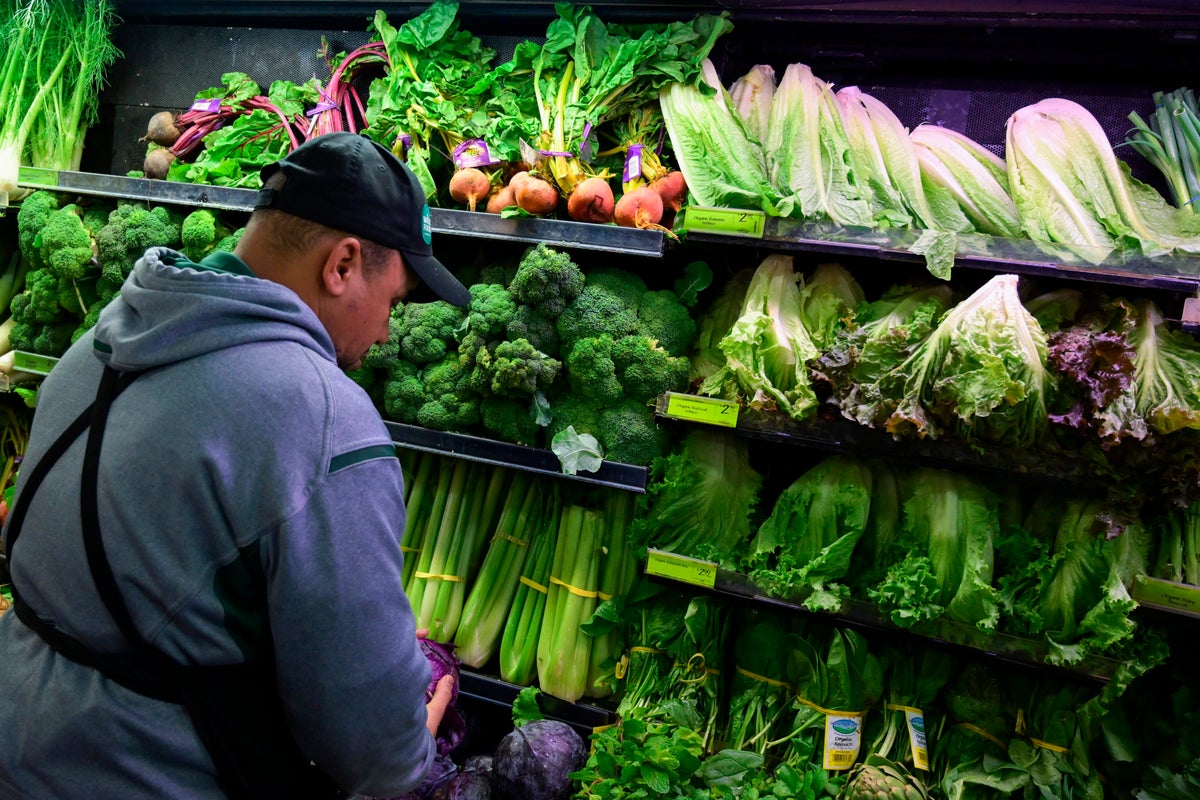
When the outbreak isn't in the water, it is almost always on fresh produce. Soft berries, pre-washed spinach, herbs like cilantro, and packaged salad kits are notorious vectors for Cyclospora.
The global supply chain makes tracking these items a logistical nightmare. A single bag of salad mix from your local grocery store might contain greens grown on three different farms across two countries. Those greens are harvested, shipped to a central processing plant, washed in a massive communal vat, packaged, and distributed to hundreds of different supermarkets.
If a worker on one farm lacks access to clean handwashing stations, or if the water used to irrigate a single field is contaminated with fecal matter, the parasite enters the processing line. The communal washing process can actually spread the parasite across thousands of bags of salad rather than cleaning it off.
When investigators try to trace the origin of a contaminated bag of lettuce, they hit a wall of corporate logistics. Distributors mix and match shipments based on daily availability. Shipping manifests are often messy or lack granular detail. Pinpointing the exact farm, the specific field, or the exact day of contamination requires an incredible amount of luck. Most of the time, the investigation simply runs out of clock.
What You Must Do to Protect Your Gut
Waiting for an official government recall or a definitive news report to tell you what to avoid is a dangerous strategy. By the time an agency issues a specific warning, the outbreak has usually peaked, and thousands have already suffered. You have to take your own preventative measures.
Stop relying on quick water rinses for your vegetables. The sticky surface of parasites allows them to cling tightly to the leaves of spinach, cilantro, and lettuce. Rinsing them under the tap does very little. If you are worried about active outbreaks, cook your greens. Heat kills parasites instantly. If you want raw salads, buy whole heads of lettuce instead of pre-chopped bags. Wash the outer leaves thoroughly yourself, or peel away the exterior entirely.
If you use a home water filter, check the fine print on the box. Standard charcoal pitcher filters do not remove parasites. They improve taste and remove heavy metals, but the pores are too large to catch microscopic cysts. Look for filters explicitly certified under NSF Standard 53 for cyst reduction. These filters utilize pores smaller than one micron to physically block parasites from entering your glass.
When visiting water parks, public pools, or splash pads during an active regional outbreak, keep your mouth shut. Instruct your kids to do the same. A single gulp of contaminated pool water can trigger two weeks of absolute misery. If anyone in your house has experienced diarrhea, keep them out of public water for at least two full weeks after their symptoms stop. They can still shed millions of parasites long after they feel better.
Skip the raw, unpasteurized juices and ciders sold at local markets during an outbreak. If the fruit fell on ground contaminated by animal feces and wasn't heated during processing, the parasite goes straight into your bottle. Stick to pasteurized options until the spike in cases subsides. Take control of your food safety chain rather than trusting the supply chain to do it for you.