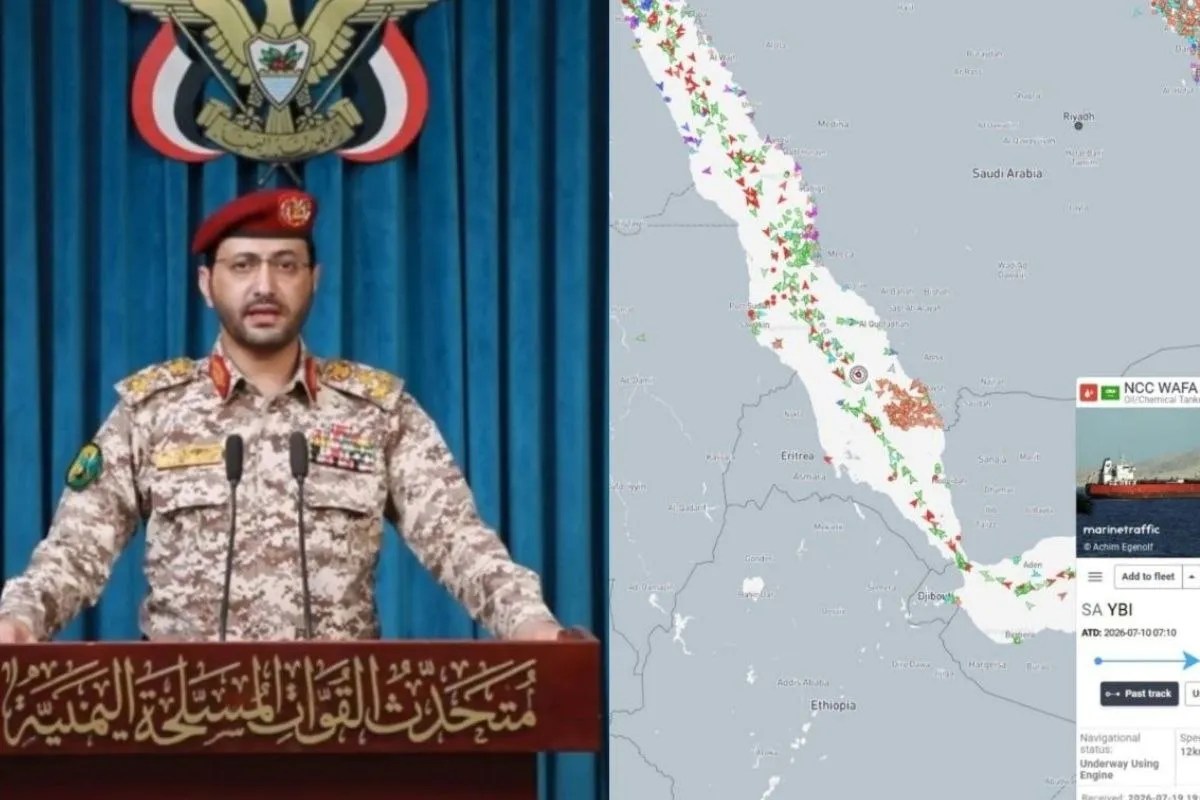
The global supply chain isn't built for constant warfare. Ships take the long way around Africa now. Costs spike. Shelves sit half-empty. When a Houthi missile locks onto a Saudi oil tanker in the Red Sea, it isn't just a regional skirmish in the Middle East. It's an economic shockwave hitting consumers worldwide.
If you think shipping lanes are secure, you haven't been paying attention to the crisis unfolding off the coast of Yemen. In a staggering window of just 13 days, commercial vessels faced an onslaught of attacks culminating in multiple ships targeted. Tankers carrying crude oil, container ships hauling electronics, and bulk carriers moving grain are all caught in the crossfire.
The Reality of Red Sea Disruptions
Trade routes through the Bab el-Mandeb strait handle roughly twelve percent of global trade. That narrow maritime chokepoint connects the Indian Ocean to the Red Sea and the Suez Canal. Block it, and shipping companies have two choices. Risk getting hit by anti-ship missiles and drones, or divert around the Cape of Good Hope.
Most choose the detour.
Adding thousands of miles to a voyage between Asia and Europe burns massive amounts of fuel. It delays cargo delivery by weeks. Insurance premiums for marine transit through the region skyrocketed overnight. Underwriters view the southern Red Sea as a war zone.
Tankers operated by Saudi Arabia and other major energy exporters face unprecedented threats. Houthi forces don't just target military assets. They strike commercial shipping indiscriminately, using low-cost drones and ballistic missiles supplied through illicit networks.
Why Traditional Defense Fails
Military coalitions tried stopping these attacks with airstrikes and naval escorts. Yet, intercepting cheap drones with multimillion-dollar missiles is a losing math game.
Naval forces patrol the waters, shooting down projectiles daily. Destroyers from various nations act as floating shields. Still, the volume of threats overwhelms traditional defense systems. A single lucky hit on an oil tanker risks an ecological disaster alongside a supply crisis.
Energy markets react instantly to every explosion reported off the coast of Yemen. Oil prices swing based on whether a tanker manages to evade incoming fire. Consumers feel this pain at the fuel pump and grocery store checkout.
The Broader Economic Toll
Supply chain managers learned harsh lessons during pandemic-era bottlenecks. They built redundancies, but nothing prepares a logistics network for a sustained military blockade of a vital canal.
- Freight rates between Asia and Europe doubled in weeks.
- Manufacturing plants face component shortages because parts travel around Africa.
- Energy supplies to European refineries face delays, forcing nations to tap emergency reserves.
Shipping lines refuse to gamble with crew safety. Seafarers unionize against sailing through the danger zone. Without crews willing to take the risk, ships stay docked or take the long route.
What Comes Next for Global Shipping
This isn't a temporary blip. The instability in the Red Sea exposes deep vulnerabilities in modern globalization. When a non-state actor can disrupt the flow of billions of dollars in goods using inexpensive weaponry, the entire architecture of international trade shifts.
Companies must diversify sourcing. Relying on single trade routes or just-in-time manufacturing models invites disaster. Expect businesses to nearshore production or hold higher buffer stocks locally, permanently raising the baseline cost of goods.
Keep an eye on maritime insurance rates and naval deployments in the region. Those metrics dictate where prices are heading next. The longer the Red Sea remains contested territory, the more expensive everyday life becomes.