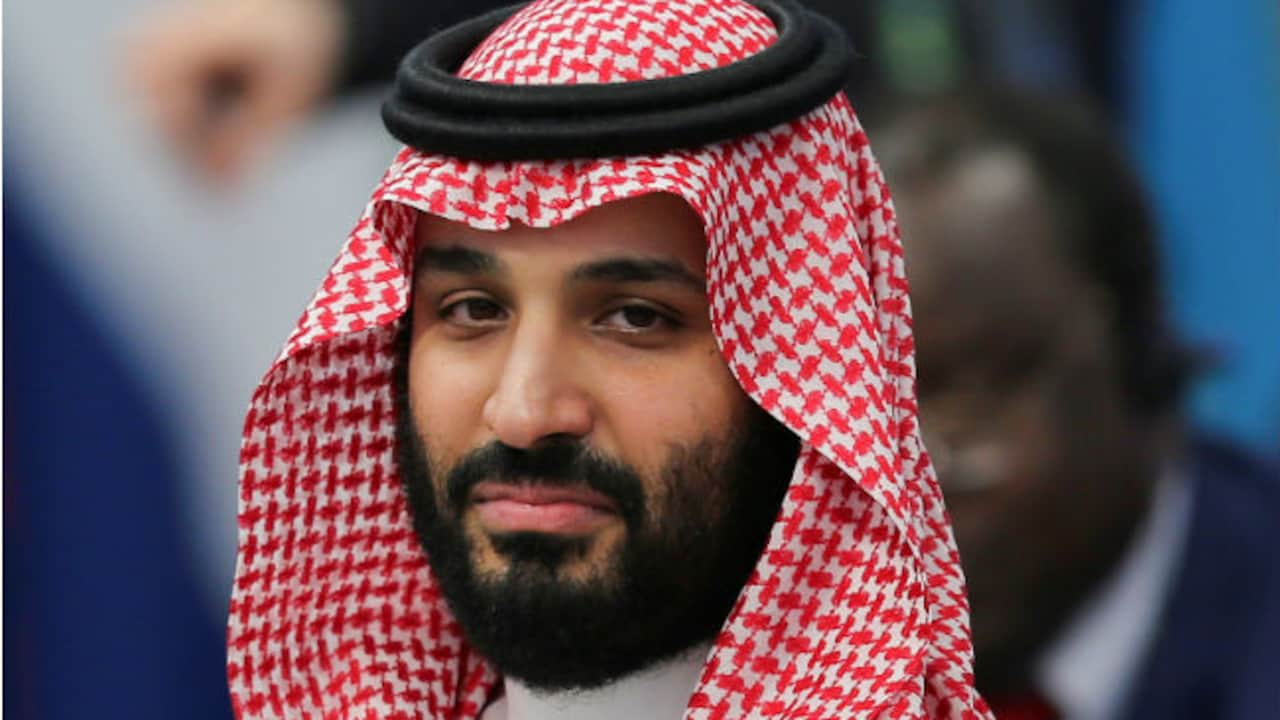
For decades, the deal looked simple. Riyadh pumped oil, Washington provided security, and everyone stayed in their lane. But that arrangement is dead. Saudi Arabia's pivot toward China isn't a sudden flash of anger. It's a calculated, cold-eyed realignment born from years of watching American policy lurch from one administration to the next. Riyadh learned the hard way that relying on a single superpower is a dangerous game. Now, Crown Prince Mohammed bin Salman is rewriting the rules of Middle Eastern diplomacy by refusing to choose a side.
Look past the diplomatic handshakes and you'll see a profound shift in global economic gravity. Beijing doesn't lecture foreign leaders about human rights or domestic governance. They show up with checkbooks, infrastructure proposals, and a relentless appetite for crude oil. Western analysts love to call this a gamble. It isn't. It's insurance.
The Cost of Strategic Monogamy
Saudi leaders spent decades paying the price for absolute dependence on the United States. When Washington pulled back from regional conflicts, slashed traditional security commitments, or shifted domestic energy priorities toward shale, Riyadh noticed. Trust eroded quietly behind closed doors.
The turning point wasn't a single headline. It was a accumulation of frustrations. When Houthi drone strikes hit Abqaiq oil processing facilities in 2019, the muted response from Washington shocked the royal court. If the primary security guarantor won't guarantee security, you find new partners.
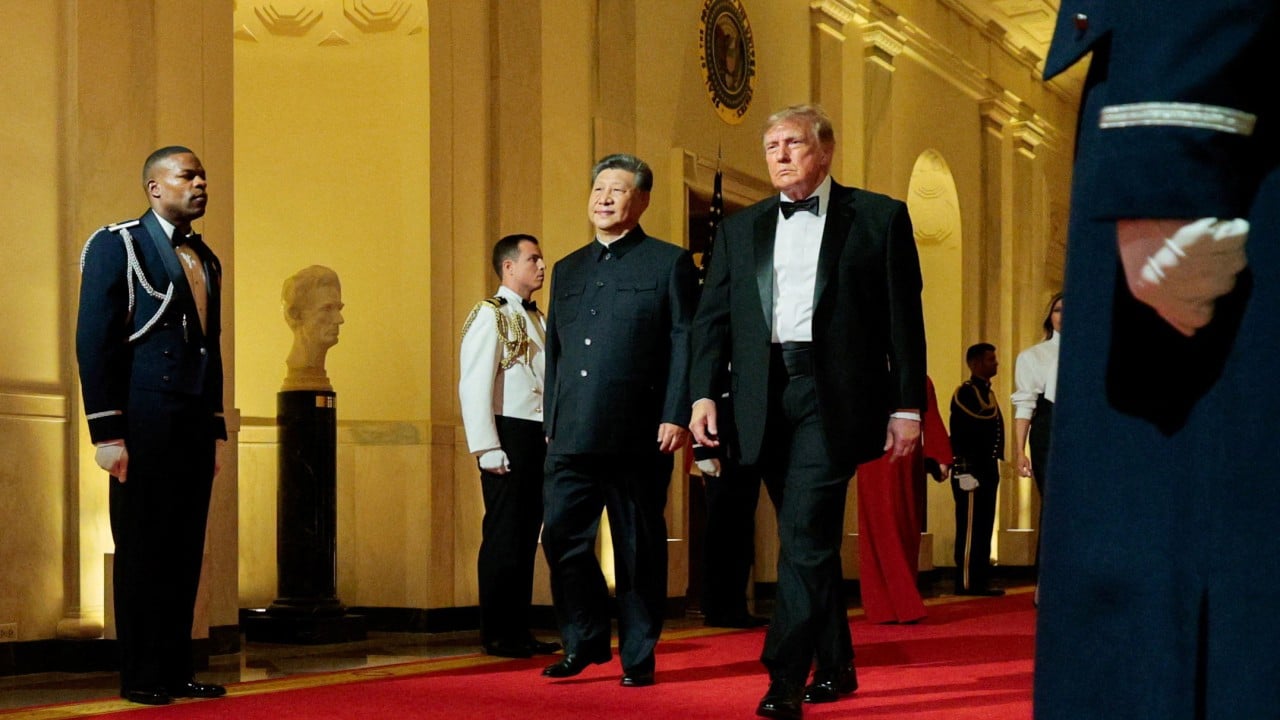
China stepped into that vacuum with surgical precision. Beijing didn't offer military bases or nuclear protection. They offered trade, technology, and diplomatic cover. When Xi Jinping brokered the surprising diplomatic thaw between Saudi Arabia and Iran in 2023, the message was unmistakable. Beijing could achieve what decades of Western diplomacy failed to deliver in a single afternoon.
Why Beijing Is More Than Just An Oil Customer
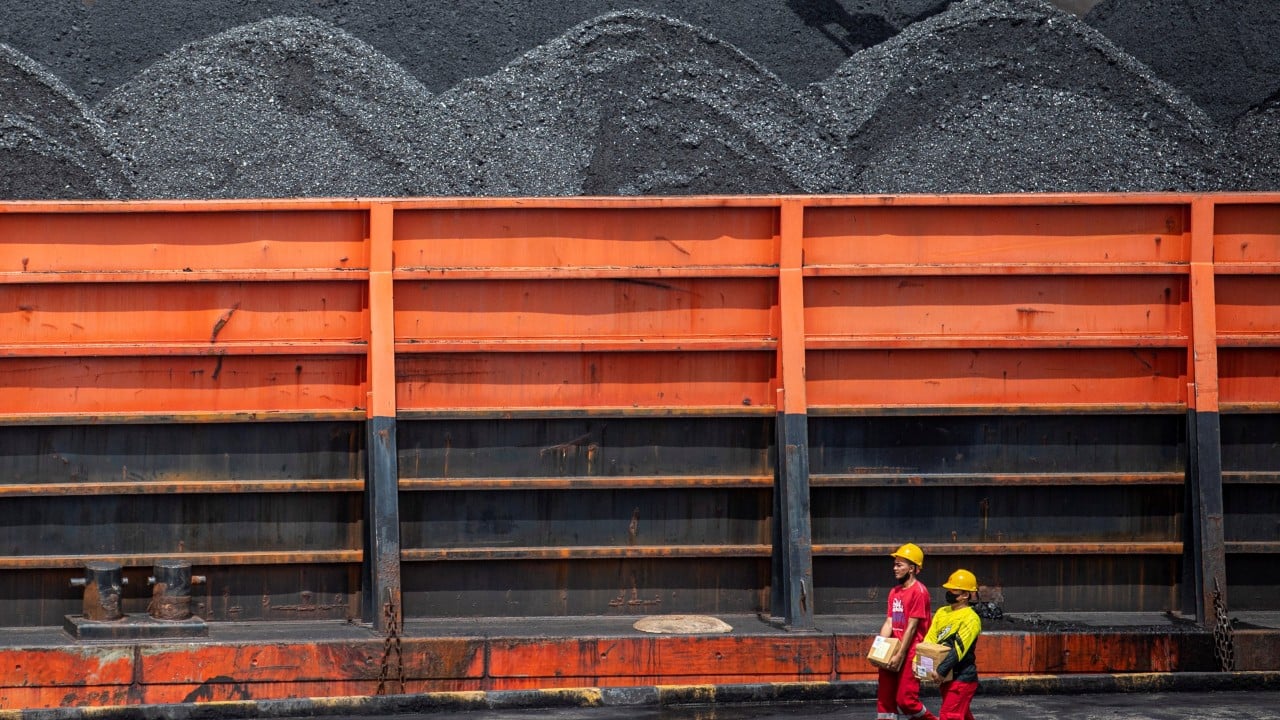
Trade numbers tell only half the story. Saudi Arabia ships millions of barrels of oil to Chinese refineries every single day, but the relationship has evolved far beyond basic commodities.
Take telecommunications and infrastructure. Despite heavy pressure from Washington to lock out Chinese tech, Saudi firms partnered directly with Huawei to build 5G networks across the kingdom. Why? Because the equipment is cheaper, the deployment is faster, and the terms suit Riyadh's aggressive Vision 2030 modernization goals.
Meanwhile, Chinese engineering firms are reshaping the Saudi desert. Gigaprojects like Neom rely heavily on foreign capital and technical expertise that doesn't come with Western regulatory strings attached. Riyadh wants to build smart cities, advanced manufacturing hubs, and green energy grids. China has the exact supply chains needed to build them.
The Illusion of Choosing Sides
Western commentators often frame this shift as a zero-sum game. They ask whether Riyadh is abandoning Washington for Beijing. That question misses the point entirely.
Saudi Arabia isn't swapping American masters for Chinese ones. They are practicing non-aligned pragmatism on a grand scale. They still buy American fighter jets, conduct joint military exercises, and price their oil in global markets. But they also accept Chinese currency for oil settlements, host Chinese leaders with red-carpet luxury, and sign massive investment pacts in Beijing.
This dual-track strategy maximizes leverage. When Washington complains, Riyadh points to Beijing. When Beijing overreaches, Riyadh whispers to Washington. It's an uncomfortable reality for American foreign policy planners who grew accustomed to unipolar dominance.
What Comes Next For Global Energy Markets
The implications stretch far beyond the Arabian Peninsula. As petrodollars flow increasingly toward Asian markets, the plumbing of global finance is shifting. Talk of settling oil trades in yuan instead of US dollars used to be pure fantasy. Today, it's a slow-moving reality that chips away at the exorbitant privilege of the greenback.
If you want to understand where international relations are heading, stop listening to official press releases. Watch the capital flows. Saudi Arabia is building a future where it answers to no single capital. They learned through bitter experience that loyalty in geopolitics is a myth. Self-interest is the only currency that matters, and Riyadh is cashing in.