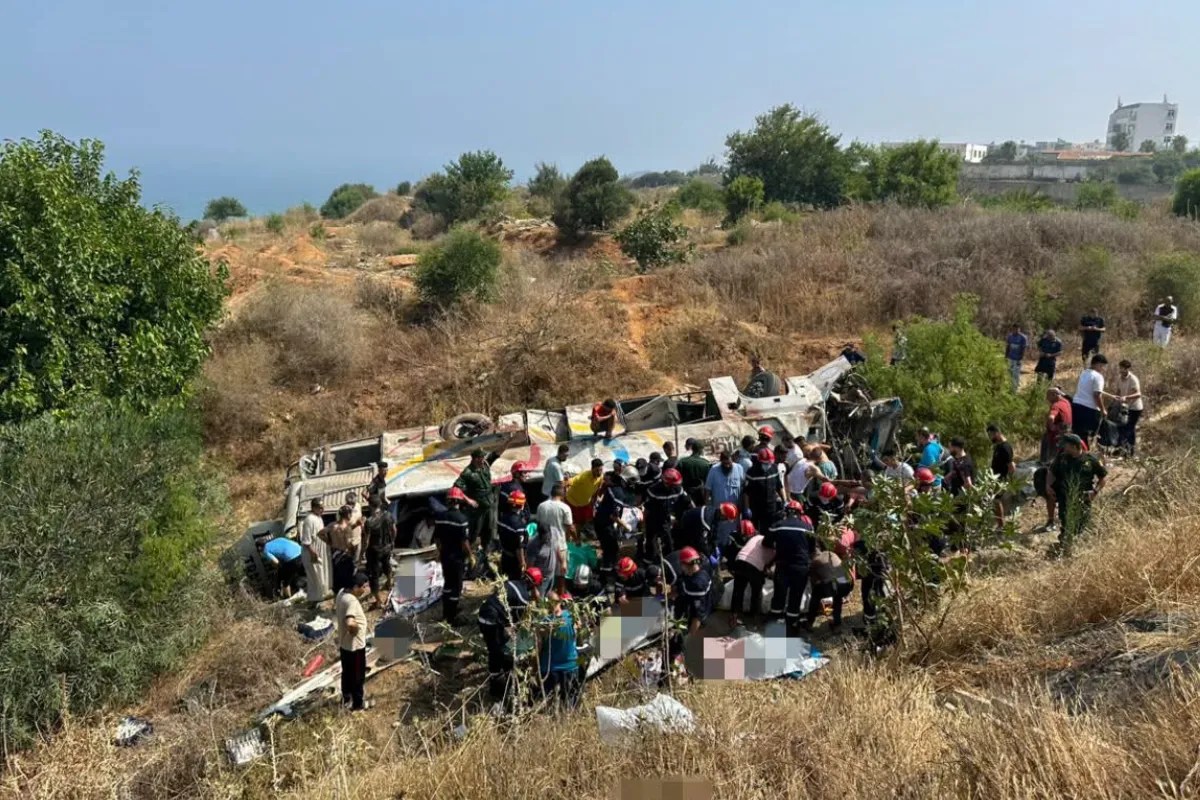
The morning air in the mountains usually smells of pine and cold stone. On that stretch of highway, however, the silence of dawn broke into a violent fracture. Metal screamed. Glass shattered into a million glittering stars against the dark earth. Then, stillness returned. A heavy, suffocating quiet that only a catastrophe leaves behind.
Twenty-five lives. Snuffed out in the span of a heartbeat.
We read numbers on screens every single day. Statistics scroll past our eyes like background noise. We see a headline, register a tragedy as a distant blip, and swipe away to the next piece of triviality. But behind the cold tally of twenty-five dead lies a constellation of extinguished potential. Twenty-five pairs of shoes left by doors. Twenty-five unfinished conversations. Twenty-five alarm clocks that rang into empty rooms.
Consider the physics of such a moment. A bus is not merely a vehicle; it is a moving room of lives intertwined by coincidence. A student studying for an exam in the back row. An elderly worker returning home to grandchildren. A merchant carrying goods wrapped in brown paper. They sat shoulder to shoulder, bound together by a shared route, completely unaware that the cliffside edge was waiting to claim them.
Gravity does not negotiate. When the bus veered off the road and plunged into the ravine, it fell through empty air before smashing into the rocks below. The drop was unforgiving.
National mourning followed. Flags dropped to half-mast across Algeria. President Abdelmadjid Tebboune offered condolences, directing emergency services to mobilize every available resource to tend to the wounded and identify the lost. Sirens wailed through the mountain passes. Helicopters churned the grey sky. Hospital corridors filled with the low, heavy hum of grief and the sharp edge of panic.
Yet, declarations of national grief, while necessary, always arrive too late.
They arrive after the steel has twisted. They arrive after the families have begun the agonizing wait outside morgues. Mourning is an acknowledgment of the void, but it does nothing to fill it. It forces us to confront a terrifying truth about modern transit: our infrastructure remains fragile, vulnerable to the whims of treacherous terrain, mechanical failure, or a single moment of human exhaustion.
Mountain roads demand a specific kind of respect. They curve unpredictably, hugging cliffs where a single miscalculation turns a routine commute into an absolute abyss. Drivers navigate these hazards daily, carrying the invisible weight of dozens of lives on their shoulders. We rarely think about them. We plug in our headphones, lean our heads against the cool window, and surrender our safety to a stranger steering through the dark.
We place an immense amount of trust in the anonymous hands at the wheel.
When things go wrong, the blame game begins instantly. Was it mechanical failure? Was the braking system compromised by wear and tear? Was the driver battling sleep after hours behind the wheel without adequate rest? Or did the treacherous geography of the mountain pass finally demand a sacrifice it had been hunting for years?
Investigators sift through the wreckage. They measure skid marks on the asphalt. They examine twisted axles and shattered windshields, trying to reverse-engineer a tragedy to find a single point of failure. But tragedies of this scale rarely stem from one neat mistake. They are usually a tragic accumulation of small oversights, systemic strains, and the unforgiving nature of the physical world colliding with human limits.
The families do not care about investigative reports right now.
Papers and official statements cannot warm an empty chair at a dinner table. For the mothers, fathers, siblings, and children left behind, the calendar has split cleanly into two distinct eras: before the ravine, and after. The pain of sudden loss is a physical weight. It sits on the chest, making it difficult to draw a full breath.
We must ask ourselves what changes after the flags go back up.
History teaches us that memory is tragically short. A major accident happens. Shock ripples through the nation. Promises are made about upgrading fleet safety, mandating stricter rest periods for long-haul drivers, and installing guardrails along dangerous mountain corridors. Then, weeks pass. The headlines fade. The wrecked bus is hauled away, the earth is cleared, and the daily commute resumes with the same old vulnerabilities waiting quietly in the shadows.
Safety is not a static destination. It is an active, unglamorous commitment that requires constant vigilance, financial investment, and a refusal to accept preventable loss as just part of the cost of living. Every kilometer of dangerous highway needs barriers robust enough to stop a heavy vehicle from plunging into a chasm. Every transit company needs oversight that prioritizes human life over profit margins and tight schedules.
If we look away now, we become complicit in the next disaster.
The twenty-five souls lost in that ravine deserve more than a moment of silence followed by collective amnesia. They deserve an overhaul of how we protect travelers on treacherous roads. They deserve a system that values the weary commuter as much as the cargo they carry.
Back in the mountains, the wind continues to sweep across the drop-off. The jagged rocks bear the silent scars of impact. Down below, life tries to pick up the pieces, moving forward with hesitant steps while carrying a grief that refuses to soften.
The road curves sharply ahead. The fog rolls in thick from the valley. We step onto the bus, pay our fare, and move toward a seat in the back, carrying the quiet hope that we will make it home before dark.