Russia just finished its annual Victory Day theater on Red Square, but the real fireworks weren't part of the script. While Vladimir Putin stood under a light dusting of May snow, surrounded by aging veterans and a lonely T-34 tank, the sky over his borders was anything but peaceful. For weeks, the Kremlin has been floating the idea of a "unilateral ceasefire" for the May 9 holidays. Honestly, it’s a tired play. You don't get to launch 55 missiles at your neighbor's power grid on a Wednesday and then ask for a timeout on Thursday so you can parade your ICBMs without getting hit.
Ukraine isn't buying the "peace" act, and they shouldn't. While Moscow tried to frame its celebrations as a sacred moment of WWII remembrance, the reality on the ground was a brutal exchange of long-range strikes. Kyiv has realized that the best way to respond to Russian holiday "truces" is by hitting the one thing that actually keeps the Russian war machine moving: oil.
The ceasefire that never was
Let's be real about the "ceasefire" Moscow proposed for May 8 through May 10. It was a tactical PR stunt, not a humanitarian gesture. Russian officials, including Foreign Ministry spokesperson Maria Zakharova, spent the days leading up to the parade threatening "appropriate steps" if Ukraine dared to disrupt the festivities. They even threatened to strike "decision-making centers" in Kyiv if their parade was touched.
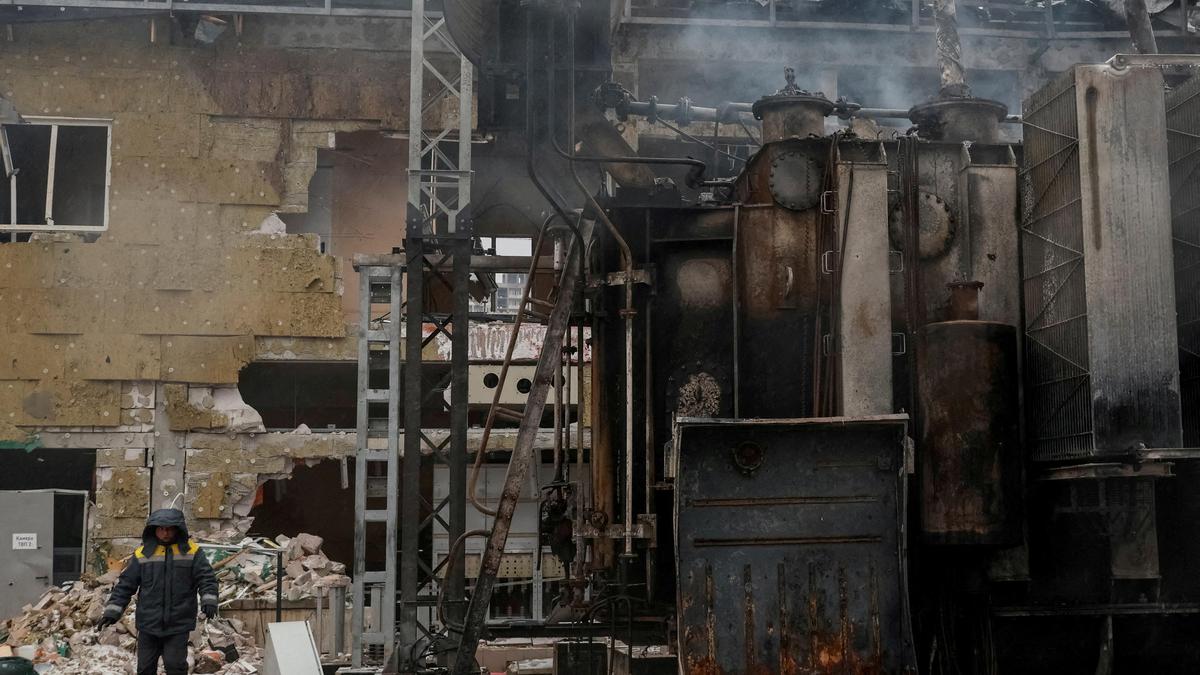
But Ukraine had already seen this movie. Just 24 hours before the proposed pause, Russia unleashed a massive wave of 76 air assets—including 55 missiles and 21 drones—targeting energy infrastructure across seven Ukrainian regions. They hit thermal power plants in Poltava, Lviv, and Zaporizhzhia. It was a clear attempt to plunge the country into darkness before Putin's big day. You can't claim the moral high ground of a ceasefire when you're busy dismantling your neighbor's electricity.
Ukraine is hitting where it hurts
While Russia focused on civilian infrastructure, Ukraine stayed focused on the wallet. On the eve of the parade, Ukrainian drones traveled deep into Russian territory to strike the Slavneft-YANOS refinery in Yaroslavl. This isn't just some local gas station. It’s one of the five largest refineries in Russia, capable of churning out 15 million tons of fuel a year.
The strategy is simple but effective. Ukraine knows it can't match Russia’s raw manpower, so it’s going after the logistics. By hitting oil depots in places like Luhansk and Yurovka, they're forcing the Kremlin into a nightmare scenario. Russia has the world's largest air defense network, but it’s spread too thin. You can't protect every refinery, every storage tank, and every parade route at the same time.
- Logistics under fire: The strike on the Luhansk oil depot specifically targets the fuel supply for the 41st and 20th Combined Arms Armies. No fuel, no offensive.
- Air defense dilemma: Every S-400 battery moved to protect a refinery is one fewer protecting the front lines or Moscow itself.
- Economic pressure: Long-range "sanctions," as Zelenskyy calls them, are hitting Russia's ability to finance the invasion.
The T-34 and the lonely parade
The Moscow parade itself felt... thin. For the second year in a row, only one tank showed up: a WWII-era T-34. It's a powerful symbol of the past, sure, but it’s a glaring admission of the present. Where are the modern T-90s? They’re likely burning in the fields of Donetsk or held back because the Kremlin is terrified of a drone strike in the middle of Red Square.
Putin’s speech was the usual mix of historical grievance and nuclear saber-rattling. He accused the West of "distorting" history and warned that Russia's strategic forces are "always on alert." It's a defensive posture disguised as a show of strength. When you have to equip your marching soldiers with portable drone jammers, you aren't exactly projecting confidence.
Why the WWII narrative is failing
The Kremlin relies on the "Great Patriotic War" to justify everything it does today. By comparing the current invasion to the fight against Nazi Germany, Putin tries to bake in a sense of inevitability. But even Russian milbloggers are starting to grumble. They're asking why the government is making empty threats about "decision-making centers" while their own oil infrastructure burns every night. The disconnect between the polished Red Square spectacle and the chaotic reality of the border regions is getting harder to ignore.
What this means for the summer
Don't expect the "trade of attacks" to slow down. If anything, the failed ceasefire talk shows that both sides are dug in for a long, hot summer of attritional warfare. Ukraine has found its rhythm with long-range drone strikes, and Russia is clearly willing to expend its dwindling missile stocks to keep the lights off in Kyiv.
If you're following this conflict, watch the fuel prices and the energy grid, not the parades. The next few months will be defined by who can keep their machines running and their citizens from losing patience.
Check the daily SITREPs from the Institute for the Study of War (ISW) for actual movement on the front lines. Ignore the holiday rhetoric and look at the satellite imagery of the refineries. That’s where the real war is being won or lost.