You grab a bag of pre-washed salad greens, toss them into a bowl, and figure you are doing your body a favor. Then comes the stomach ache. You aren't alone. Leafy greens top the list of foods most frequently linked to foodborne illness outbreaks.
It feels random. One week you eat a Caesar salad just fine. The next week, raw spinach sends you straight to the bathroom for two days. That inconsistency drives people crazy.
Let's look at why lettuce makes us sick so often. The answer comes down to mass production, field conditions, and the biology of a fragile leaf.
The Field Problem
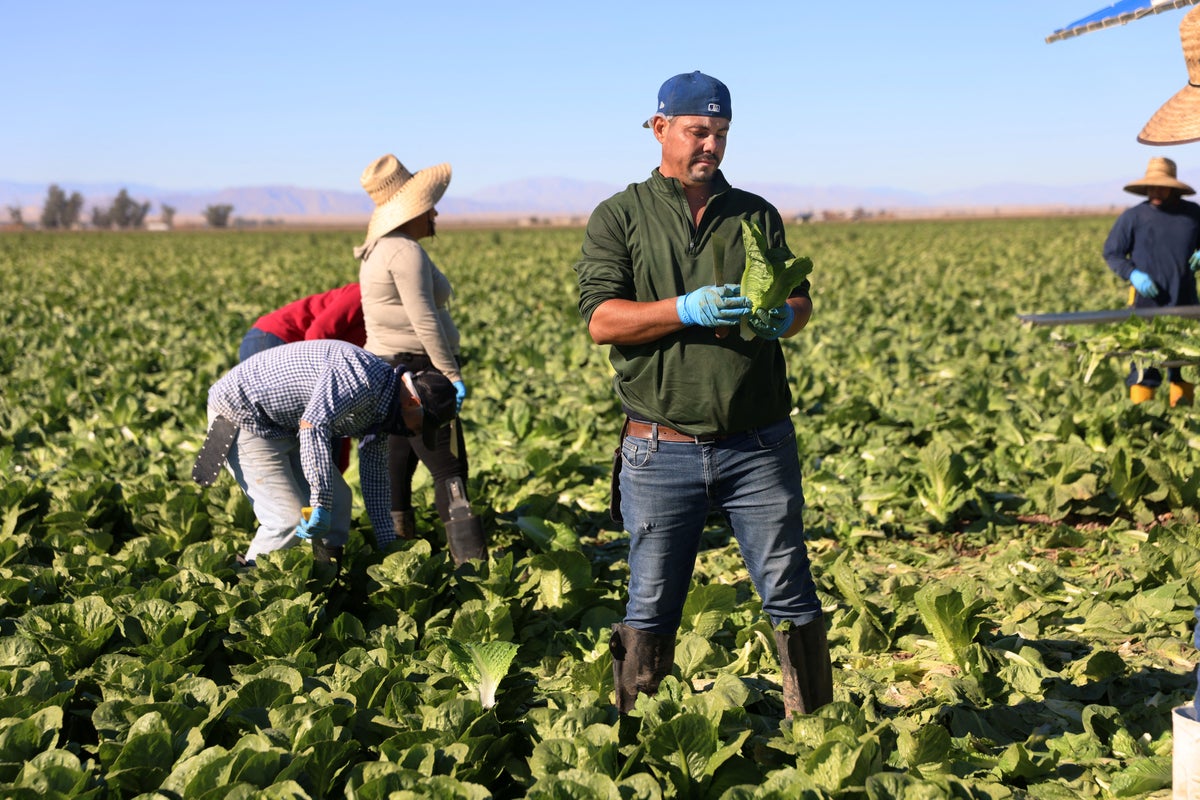
Food safety starts long before the grocery store shelf. Crops grown outdoors are exposed to the environment. That means birds fly overhead, irrigation water can carry pathogens, and neighboring livestock farms can runoff into soil.
E. coli and Salmonella love moisture. Overhead sprinkler systems and heavy morning dew create a playground for bacteria to multiply.
[Image of agricultural field and irrigation systems]
Most grain crops get cooked before you eat them. Heat kills bacteria. Lettuce doesn't get that luxury. You eat it raw. Whatever was sitting on the leaf in the field stays on the leaf when it hits your plate.
The Danger of Bagged Convenience
Pre-washed, triple-washed, ready-to-eat. The marketing sounds reassuring. In reality, bagging lettuce creates a massive breeding ground for microbes.
When workers harvest lettuce, machines slice the leaves. Plant cells break open. Those broken cells leak juices packed with sugars and nutrients. Bacteria drink that liquid up.
Bagged salads trap moisture inside a sealed plastic pouch. Even inside a refrigerator, lingering bacteria reproduce quickly in that damp, nutrient-dense environment.
Washing greens at an industrial scale helps, but it doesn't sterilize them. Chlorine washes reduce bacterial loads, but they won't eliminate pathogens trapped inside tiny cracks or damaged leaf tissue. If one single contaminated leaf enters the processing tank, the wash water can spread those bacteria across thousands of other pounds of greens.
The Supply Chain Chain Reaction
Think about how many hands touch your food.
- Harvested by hand or machine in a massive agricultural region.
- Hauled to a cooling facility.
- Transported in refrigerated trucks across hundreds of miles.
- Processed, chopped, and bagged in a facility.
- Shipped out again to regional distribution hubs.
- Stocked on supermarket shelves.
Temperature abuse during any of those steps causes trouble. If a truck's refrigeration unit fails for a few hours, the temperature inside the trailer spikes. Bacteria double in number every twenty minutes under the right conditions.
By the time you buy that clamshell of romaine, it might have traveled across the country and sat in transit for a week.
Common Mistakes People Make at Home
You cannot control the farm, but you can change your kitchen habits. Most people make glaring errors when handling fresh produce.
- Rinsing packaged greens: Washing pre-washed salad in your sink rarely helps. In fact, you often introduce bacteria from your own hands, cutting board, or faucet into the mix.
- Ignoring expiration dates: Slime isn't just gross. It's a sign that bacterial colonies have taken over the leaf structure. Throw it out.
- Cross-contamination: Chopping raw chicken on a cutting board and then using the same knife for raw lettuce invites disaster.
What You Should Do Instead
Stop trusting the "triple-washed" label blindly. If you want to lower your risk, buy whole heads of lettuce instead of pre-bagged mixes. Peel off the outer leaves, wash the inner leaves thoroughly under running water, and dry them completely with a salad spinner or paper towels.
Bacteria need moisture to multiply. Keeping your greens dry in the fridge slows them down. Store them with a dry paper towel inside an airtight container.
Pay attention to public health announcements, too. When agencies issue a recall on specific growing regions, take it seriously. Food poisoning from pathogens like E. coli O157:H7 isn't just an upset stomach. It can trigger severe kidney complications.
Treat your salad greens with the same caution you give raw chicken. Inspect them, store them cold, and don't eat them past their prime.